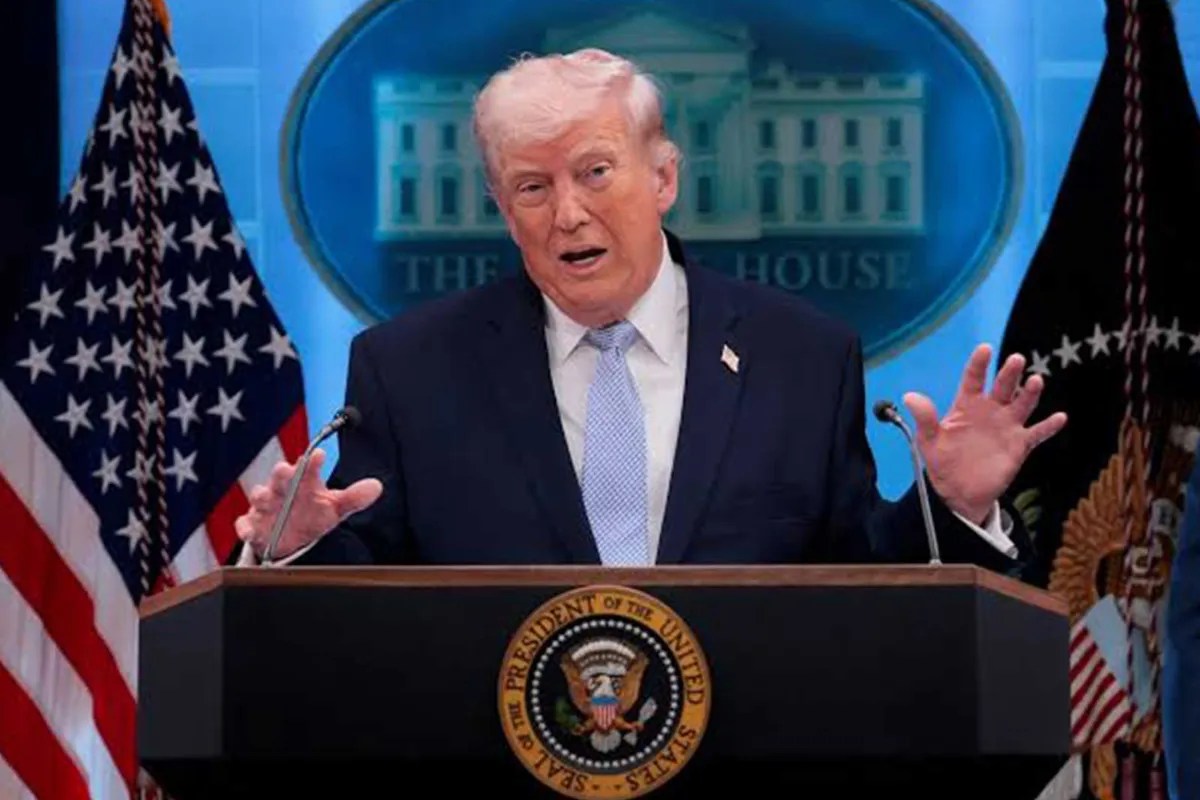
The fragile truce is dead. Less than a month after Washington and Tehran signed a temporary Memorandum of Understanding (MoU) to pause their military conflict, Donald Trump officially declared the deal over. Sitting next to NATO Secretary General Mark Rutte in Ankara, Trump didn't pull any punches. He called Iran's leaders "scum," "liars," and "sick people," making it clear that he's done playing nice with diplomacy.
If you're wondering why the Middle East just erupted back into open warfare, look at the Strait of Hormuz. That’s where everything fell apart, and it’s why your gas prices are probably about to spike again.
What Broke the Peace Deal in Hormuz
The MoU, brokered with the help of Pakistan, was supposed to give both nations a 60-day window to negotiate a permanent ceasefire and figure out the nuclear issue. It failed fast.
According to Trump, the US tried to show good faith. Washington explicitly allowed space for Iran to hold funeral processions for its former Supreme Leader, Ali Khamenei, who was killed during joint US-Israeli strikes earlier this year.
"We said, 'Go and do your funeral stuff,' and instead of that, they start shooting rockets at ships," Trump told reporters.
The breaking point came when Iranian forces targeted three commercial vessels transiting the Strait of Hormuz—including the Al-Rekayyat, a tanker moving off the coast of Oman toward India. Iran claimed it only guarantees safety for ships using its approved routes, but the US saw it as a blatant violation of the truce.
The US military didn’t wait around. US Central Command (CENTCOM) launched massive overnight strikes hitting over 80 military targets inside Iran, smashing air defense networks, coastal radar sites, and more than 60 Islamic Revolutionary Guard Corps (IRGC) small boats. Trump boasted that the US response was "20 times tougher" than anything Iran threw at them. Iran fired back immediately, targeting US facilities in Kuwait and Bahrain. Just like that, the ceasefire evaporated.
Why Trump Stopped Believing in Iran Negotiations
Many analysts thought Trump would try to preserve the deal to claim a foreign policy win. Instead, he completely tore up the script. He claims negotiating with Tehran is a complete waste of time because the regime simply can't be trusted.
"We make a deal everyone's agreed, no nuclear weapon... they go outside, talk to the press, they say we never even talked about it," Trump complained. He added that the regime is a "cancer" that needs to be cut out early.
Beyond the broken promises on shipping, Trump brought up two massive points that show why this conflict is deeply personal for him:
- Assassination Lists: Trump revealed he saw intelligence reports showing he's explicitly targeted on Iranian hit lists. "I saw this morning I'm on every single one of their lists," he said. This follows widespread footage of Iranian mourners calling for his death during Khamenei's funeral.
- Domestic Brutality: Trump called out the regime's brutal suppression of domestic protests. He claimed Iranian security forces killed 54,000 protesters who were unarmed. When asked why the people haven't overthrown the government yet, Trump was blunt: "They can't take over because they're dead".
While Trump mentioned that low-level US negotiators could keep talking if they really wanted to, he made it obvious he expects nothing to come from it. The White House is shifting entirely back to a maximum pressure campaign, re-imposing strict sanctions on Iranian oil sales and threatening even more devastating strikes if the IRGC keeps messing with global shipping.
NATO Allies Feel the Heat
Trump didn't just yell at Iran during the summit; he turned his rage directly onto his own NATO allies. He’s furious that European nations have mostly refused to back the US in this war.
Apart from the UK, European allies have blocked the US from using their airbases to launch bombing runs against Iranian targets. Trump complained that the US spends billions protecting Europe, but when Washington needs help fighting a state sponsor of terror, the allies disappear. He even went after Spain, calling them a "terrible partner" and threatening to cut off trade over their defense spending targets.
Where does this leave things? Oil markets are already reacting, with global prices jumping over 3% immediately following Trump's remarks. With one-fifth of the world’s oil flowing through the Strait of Hormuz, a full-scale return to US-Iran warfare means energy security is officially back in the danger zone.
If you are tracking global energy investments or supply chains, prepare for extreme volatility. Trump has signaled he's willing to flatten Iranian energy infrastructure if shipping lines aren't kept completely open, meaning this conflict is going to get a lot worse before it gets any better.