Political communication rarely relies on subtle nuance anymore. When high-stakes foreign policy collides with modern media management, leaders often drop direct, memorable audio clips designed to bypass traditional news filtering entirely. You see it happen over and over. A complex military engagement gets boiled down to a punchy, theatrical recap meant for immediate social media distribution.
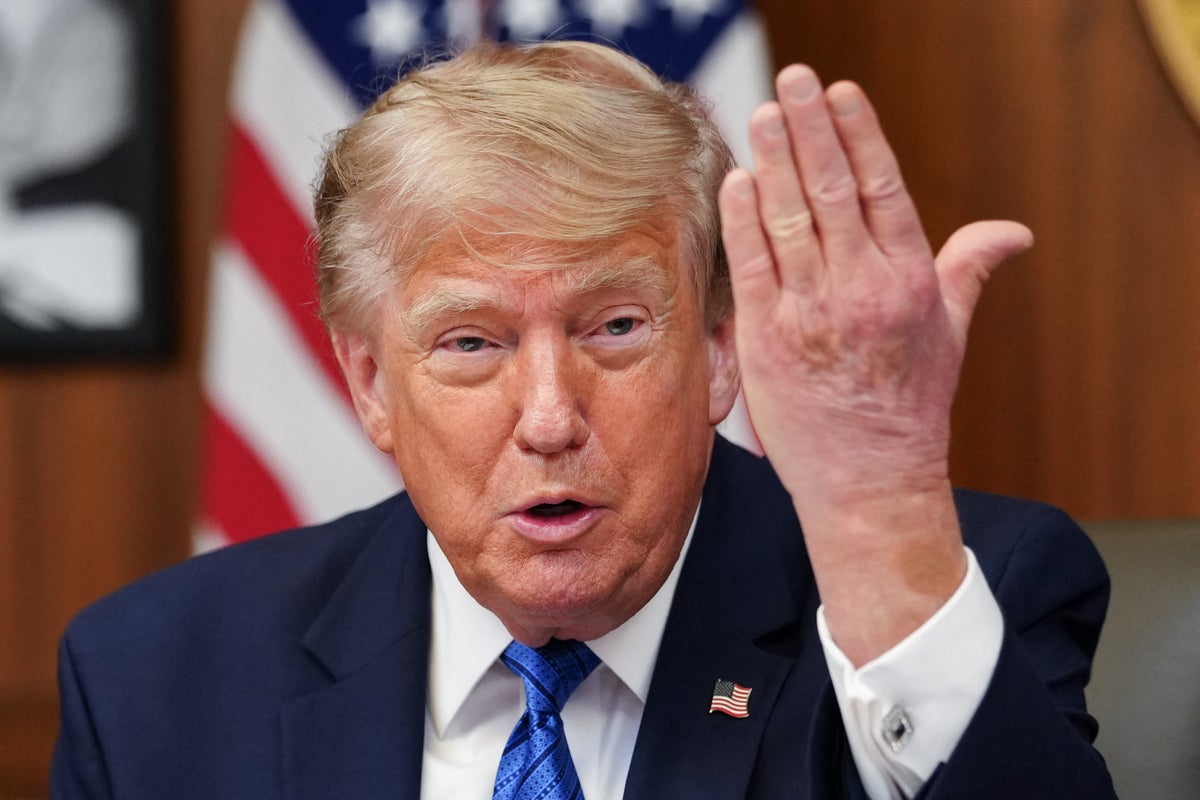
During a widely watched administration gathering, Donald Trump opted for vivid auditory theater rather than dry diplomatic prose to describe defensive military actions. Reproducing the rapid-fire noise of incoming interceptions with verbal mimicry instantly shifts the news cycle. Analysts spend hours dissecting the policy implications, but casual observers remember the soundbite. It is a calculated technique. Master the headline, and you own the narrative. For another view, read: this related article.
The Mechanics of Political Soundbites
Why do these specific verbal choices dominate the news cycle? Simplicity sells. Modern media consumers scroll past white papers and policy briefs in seconds. They pause for entertainment, raw emotion, and unexpected performance.
When top officials brief the media on complex geopolitical dynamics—such as neutralized missile capabilities, shifting shipping lanes in the Strait of Hormuz, or evolving ceasefire negotiations—the public often tunes out the technical jargon. Dropping a casual, punchy vocal imitation cuts through the noise. It bridges the gap between high-level executive decisions and everyday kitchen-table conversations. Related insight on the subject has been published by Associated Press.
Substance Versus Spectacle in Executive Meetings
Critics often argue that theatrical asides distract from urgent national security concerns. Cabinet sessions involving high-ranking defense officials, economic advisors, and special envoys carry immense weight. Decisions made behind closed doors affect global markets, energy prices, and troop deployments.
Yet, public-facing segments of these meetings serve a distinct purpose. They function as a stage. By blending sobering updates on regional conflicts with unfiltered personal commentary, the administration projects absolute confidence. It signals to international adversaries and domestic voters alike that the leadership remains entirely unfazed by escalating tensions.
You cannot separate the policy from the performance. Every gesture, interruption, and off-the-cuff remark gets weighed by foreign intelligence agencies and evening news producers alike. Recognizing this reality changes how you consume political reporting. Look past the viral audio clips to find the actual structural shifts happening underneath. Pay attention to the underlying diplomatic frameworks, shifting alliances, and economic pressures driving the conversation forward. Stop treating these moments as mere distractions and start viewing them as deliberate communication tools designed to shape public perception in real time.
Inside President Trump's recorded message on Iran strikes
This video provides additional context regarding how official executive messages and digital statements are produced and distributed during active military stand-offs.