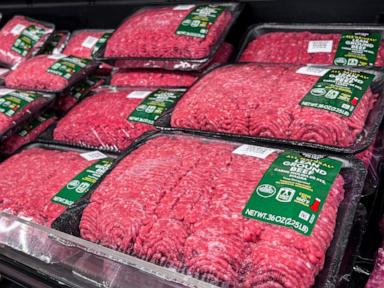
Grocery bills are driving shoppers crazy, and Washington just made a massive gamble to fix it. President Donald Trump announced a temporary 90-day waiver on out-of-quota tariffs for imported ground beef, opening the floodgates for up to 300,000 metric tons of foreign product.
The goal is simple: force retail prices down by roughly 25% for everyday consumers. The execution, however, has ignited a fierce war between hungry voters and furious American cattle producers. Discover more on a connected subject: this related article.
If you are wondering why your weekly trip to the supermarket meat aisle costs a small fortune, or why domestic ranchers are panicking over this sudden policy shift, let's break down what is actually happening.
The Real Math Behind Soaring Beef Prices
Ground beef prices climbed to an average of $6.89 per pound, marking a staggering 57% increase over the last five years. Inflation hit the meat counter harder than almost any other grocery category, fueled by a brutal combination of multi-year droughts, high feed costs, and shrinking herds. More journalism by The New York Times delves into related perspectives on the subject.
American cattle inventory shrank to its lowest level in 75 years. When supplies drop and consumer demand stays stubbornly high, basic economics takes over. Ranchers finally started seeing strong returns on their cattle after years of financial struggle, but consumers felt the pinch directly at the checkout line.
Voters want relief, and politicians feel the pressure. That tension triggered this new executive trade maneuver.
What the 90-Day Tariff Pause Entails
Under standard World Trade Organization rules, foreign beef shipments that exceed specific country quotas face heavy, protective out-of-quota tariffs. Trump's new directive temporarily removes these financial barriers for up to 300,000 metric tons of ground beef.
The administration claims this foreign influx comes with a specific guarantee: the imported meat must hit store shelves at 25% below current market prices. White House officials argue this short-term relief gives domestic herds the breathing room they need to naturally expand and rebuild over the coming years without breaking family budgets today.
Why American Ranchers Are Fighting Back
Cattle producers didn't take the news lying down. Major industry groups, including the National Cattlemen's Beef Association and the U.S. Cattlemen's Association, immediately slammed the policy.
Their argument is straightforward. Artificially cheap foreign beef undercuts domestic producers right when they are trying to recover from historical production hurdles. Critics point out that flooding the market with 300,000 metric tons of foreign product roughly equates to more than a month's worth of total U.S. ground beef consumption.
When futures markets opened after the announcement, live and feeder cattle prices immediately gapped lower. Ranchers feel betrayed, arguing that punishing domestic producers won't solve the structural supply shortage caused by weather and processor constraints.
What Happens Next for Your Grocery Bill
Lower prices sound great in a speech or a social media post, but logistics rarely move that fast. Critics and retail analysts question how a 25% retail discount will actually be enforced across thousands of independent supermarkets and massive grocery chains.
The White House has not yet clarified which international suppliers will fill that 300,000-ton quota, or how federal regulators plan to monitor store-level pricing. For now, shoppers should expect a messy transition period as the market absorbs a massive wave of foreign imports while domestic producers fight to protect their livelihoods.
Keep an eye on your local weekly circulars over the next few weeks. If the policy works as intended, those painful ground beef prices might finally start creeping backward. If it fails, expect an even louder political brawl over the true cost of feeding America.