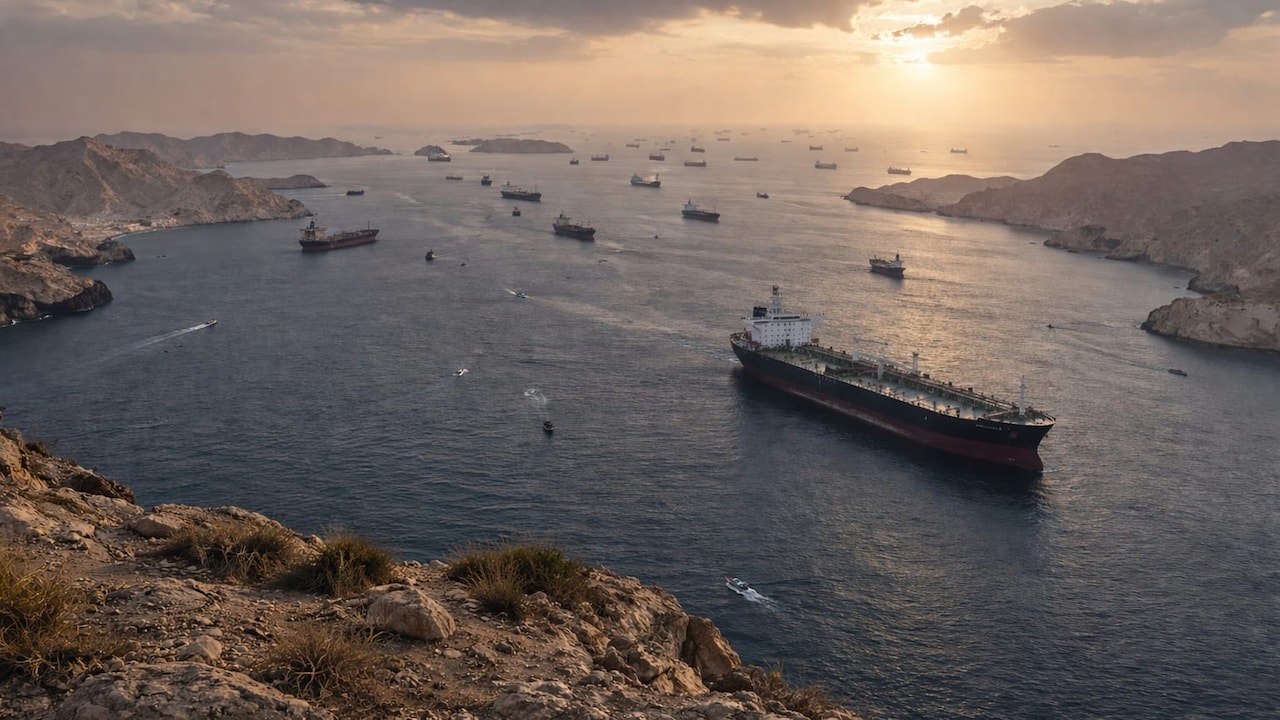
The fragile truce is officially over. At exactly 20:00 GMT on July 14, 2026, the United States military began enforcing a strict maritime blockade on all vessels entering or leaving Iranian ports and coastal areas.
If you thought the June interim agreement was going to bring lasting peace to West Asia, think again. The brief pause in hostilities that began on June 18 has evaporated. Following a chaotic weekend of attacks in the Strait of Hormuz, President Donald Trump ordered US Central Command (CENTCOM) to put the squeeze back on Tehran.
This isn't just a localized military spat. It is an economic earthquake. When the US Navy blocks Iranian oil terminals, the shockwaves hit every gas pump and board room on the planet. Here is what is actually happening on the water, why the previous ceasefire collapsed so quickly, and what this means for the global economy.
The Blockade Rules of Engagement
Let's look at the actual parameters of this renewed blockade. The US Navy-led Joint Maritime Information Center (JMIC) issued a blunt advisory. The rules are clear, aggressive, and leave very little room for misinterpretation.
- The Target Area: All Iranian ports, oil terminals, and coastal zones.
- The Targets: Any vessel transiting to or from these Iranian zones, "regardless of flag."
- The Enforcement: US forces are authorized to intercept, divert, and capture suspected ships. Non-compliant vessels will face military force.
- The Exception: Transit through the Strait of Hormuz to or from non-Iranian destinations (like Iraq, Kuwait, or the UAE) remains legally open.
CENTCOM isn't playing around. Right now, the US has 19 Navy ships deployed in the northern Arabian Sea. That includes two aircraft carriers and over ten destroyers patrolling the approaches to the gulf.
To understand how devastating this is, we have to look at the first phase of this blockade, which ran from April 13 to June 18. During those two months, US forces redirected over 140 compliant vessels and physically disabled nine ships that refused to cooperate. That initial shutdown reportedly cost Iran billions in lost oil revenue. The brief reprieve they enjoyed over the last three weeks is officially history.
Why the Interim Deal collapsed
How did we get back here so fast? Basically, the interim deal signed last month was built on sand.
The agreement was supposed to establish a 60-day window to negotiate a permanent end to the war that began back in February. Instead, both sides spent the ceasefire arguing over who actually owns the Strait of Hormuz.
Iran claimed the deal gave them the right to manage and restrict traffic passing through the narrow chokepoint. The US, backed by international maritime law, insisted the strait must remain completely open to all international shipping.
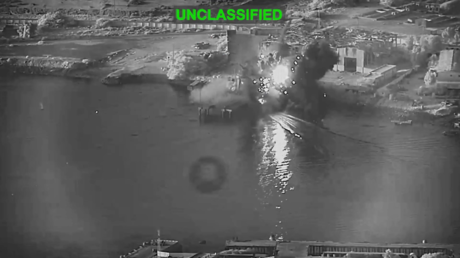
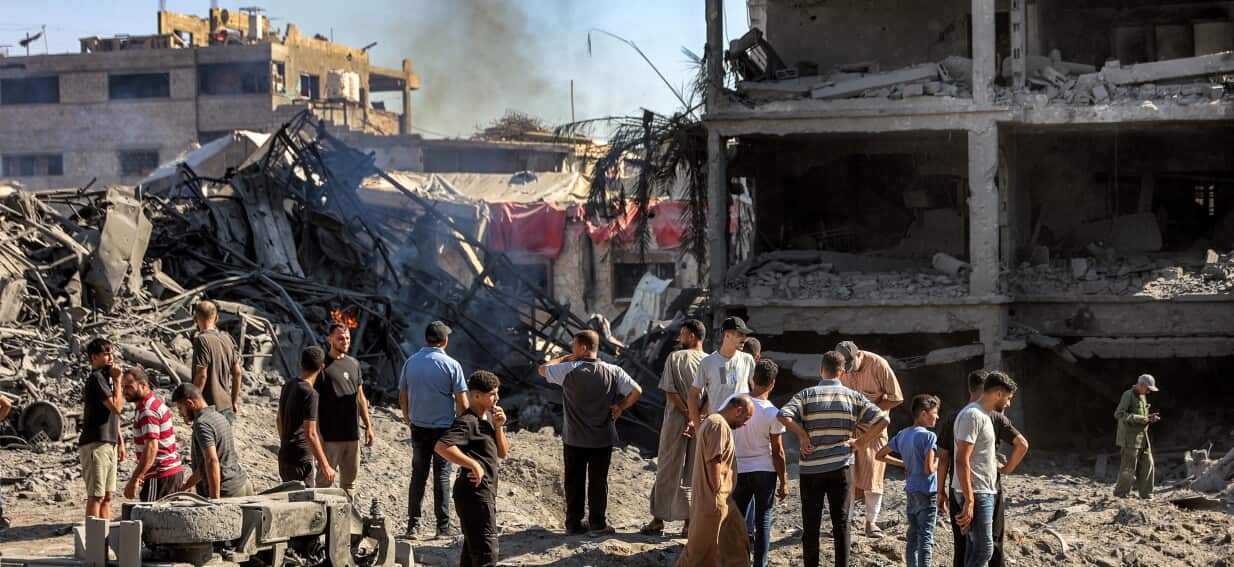
The friction turned back into open fire on Sunday, when Iranian forces struck a commercial container ship in the strait. The US military immediately retaliated with three consecutive nights of heavy air and sea strikes, targeting Iranian air defense systems, radar sites, and drone facilities. CENTCOM even deployed its new Corsair unmanned surface vessels (sea combat drones) for the first time to strike a submarine maintenance facility at the Bandar Abbas port.
With both sides trading heavy blows, Trump declared the interim deal dead.
Trump's Hostage Fee for the Strait of Hormuz
Now Trump has introduced a chaotic wild card into the mix. Along with the blockade, he announced that the US will now act as the "Guardian of the Strait of Hormuz."
His plan? The US will charge commercial shipping companies a 20% fee on the value of all cargo transiting the waterway to reimburse the American military for providing security.
This is a wild departure from decades of US foreign policy. Historically, Washington has spent trillions defending international waterways under the principle of free, untaxed global trade. Now, Trump wants to treat the US Navy like a private security firm.
Predictably, Iran's foreign minister, Abbas Araghchi, mocked the fee proposal, while other regional players are left scrambling. While the logistics of actually collecting a 20% toll on international shipping companies seem nearly impossible to execute, the threat alone has sent shockwaves through the maritime industry.
What Lies Ahead for Shippers and the Economy
If you are running a business or tracking the markets, the next few weeks are going to be incredibly bumpy.
Oil Prices Are Already Spiking
The Strait of Hormuz is the world's most important energy chokepoint. Roughly 20% of global oil and liquefied natural gas passes through this narrow strip of water. The moment Trump announced the renewed blockade, Brent crude and West Texas Intermediate (WTI) crude futures both surged by over 9%. Expect energy prices to climb higher if tankers continue to avoid the region.
Shipping Insurance is Skyrocketing
Commercial vessels are being advised to exercise extreme caution. War risk insurance premiums for transit through the Persian Gulf and the Gulf of Oman are about to become prohibitively expensive. Many shipping lines are already drawing up plans to reroute tankers around the southern tip of Africa, a move that adds weeks to transit times and millions to shipping costs.
Expect More Drone Warfare
The US use of Corsair sea drones at Bandar Abbas signals a new era in naval conflict. Traditional navies are finding themselves locked in a high-tech battle against Iranian fast attack boats and loitering munitions. This means the risk of accidental escalation or a stray missile hitting a neutral civilian tanker is higher than ever.
The immediate next step is President Trump's scheduled primetime address on Thursday. Shippers, commodity traders, and foreign governments will be watching closely to see if this blockade is a temporary leverage play to force Iran back to the negotiating table, or the start of a prolonged, full-scale regional conflict. For now, prepare for volatile energy markets and expect major disruptions in global supply chains.