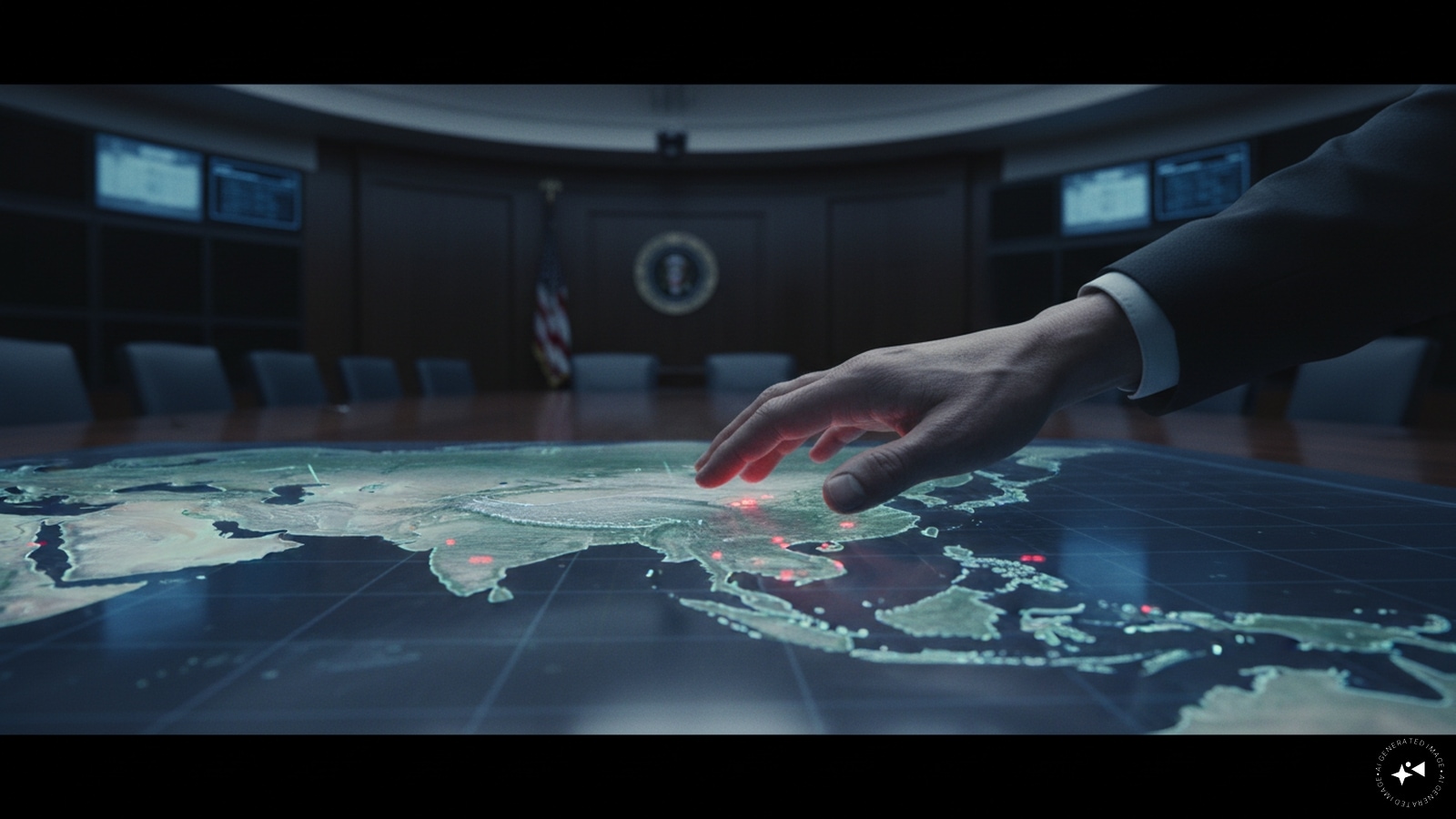
The truce is dead. President Donald Trump is signaling that new U.S. military strikes on Iran are back on the table.
If you've been watching the Persian Gulf, you know the temporary ceasefire signed last month collapsed almost immediately. Commercial shipping is under fire again, oil markets are twitchy, and Washington is losing patience. White House press secretary Karoline Leavitt made it clear that Tehran broke the memorandum of understanding, targeted commercial vessels, and killed American personnel. Meanwhile, you can find other events here: Why India And Russia Keep Talking While The Rest Of The World Picks Fights.
Trump put it bluntly during a Cabinet meeting at Camp David: "We'll be hitting them very hard". At some point, the administration believes the Iranian regime will realize the cost is simply too high.
What Triggered the Latest Escalation?
The core issue remains control and navigation of the Strait of Hormuz. Roughly a fifth of the world's oil and liquefied natural gas passes through this narrow waterway. To explore the complete picture, we recommend the excellent report by NBC News.
Iran wants to impose fees and control transit routes, forcing ships to navigate on its terms. Washington and its allies refuse to accept tolls or restricted passage for global commerce. When Iran's paramilitary Revolutionary Guard struck more commercial tankers in the strait and Kuwait reported intercepted drones, the White House response shifted from diplomatic channels back to hard deterrence.
You shouldn't be surprised by this turnaround. Truces built on fragile compromises rarely survive when both sides hold fundamentally incompatible views on regional security. Tehran insists on exercising sovereign authority over maritime traffic, while the U.S. Central Command maintains that freedom of navigation is non-negotiable.
The Broader Middle East Fallout
This isn't just about a few shipping lanes. The conflict has rippled across the entire region since major hostilities kicked off earlier this year.
- Proxy Clashes: U.S. and Saudi forces have targeted Tehran-backed militias in Iraq.
- Gulf State Anxiety: Nations like Kuwait and Bahrain find themselves caught in the crossfire of retaliatory missile and drone launches.
- Economic Pressures: Energy prices spike violently every time a new round of threats emerges, keeping global markets on edge.
Oman has tried to maintain a delicate neutrality, offering alternative transit corridors hugging its coastline, but even those diplomatic lifelines are fraying under the weight of ongoing attacks.
What Happens Next
Trump's strategy relies on maximum pressure. The White House believes that sustained economic damage and targeted military actions are the only language Tehran respects.
Iran's leadership faces a grim calculation. Continue hitting tankers and invite devastating counter-strikes, or back down and return to negotiations on Washington's terms. For now, neither side is blinking. Expect more volatility in the Gulf, fluctuating crude prices, and swift U.S. kinetic responses if commercial shipping takes another hit.
Check out this analysis for a closer look at the military options on the table: White House Warns Iran Strategy
This video breaks down the specific diplomatic ultimatums and military deployments shaping the current standoff over the Strait of Hormuz.