Planes don’t fly home by accident. When the United States abruptly pulled its heavy long-range bombers out of RAF Fairford in Gloucestershire, England, defense watchers knew something major had shifted. President Donald Trump confirmed what many suspected. Specific security threats forced the tactical relocation of the aircraft back to home stations in the United States.
If you want to understand modern military logistics, you have to look past the official press releases. Threats change fast. When local police in southwest England responded to suspicious activity near the perimeter on September 27—detaining multiple suspects and recovering quantities of fuel from vans—the risk calculus changed overnight. In similar news, read about: Why French High Schools Are Boiling Over And What Comes Next.
Inside the RAF Fairford Security Scare
RAF Fairford isn't just any runway. It's a critical staging post for American heavy bombers, including the B-1 Lancers deployed for high-stakes missions. It's built for power projection. But military bases are massive footprints with vulnerable perimeters.
When a local farmer spotted a group of men acting suspiciously near the facility, things escalated quickly. Counter-terrorism units jumped into action. Investigators picked up multiple suspects, and while authorities later released some individuals on bail, the shadow of a targeted security breach lingered. The Guardian has also covered this critical topic in extensive detail.
Trump addressed reporters directly outside the White House, cutting through the bureaucratic noise.
"There were some threats," Trump said. "And rather than tempting the enemy—we'll capture the enemy and beat the enemy, but why should we leave them there? So we moved them around a little bit, not very far."
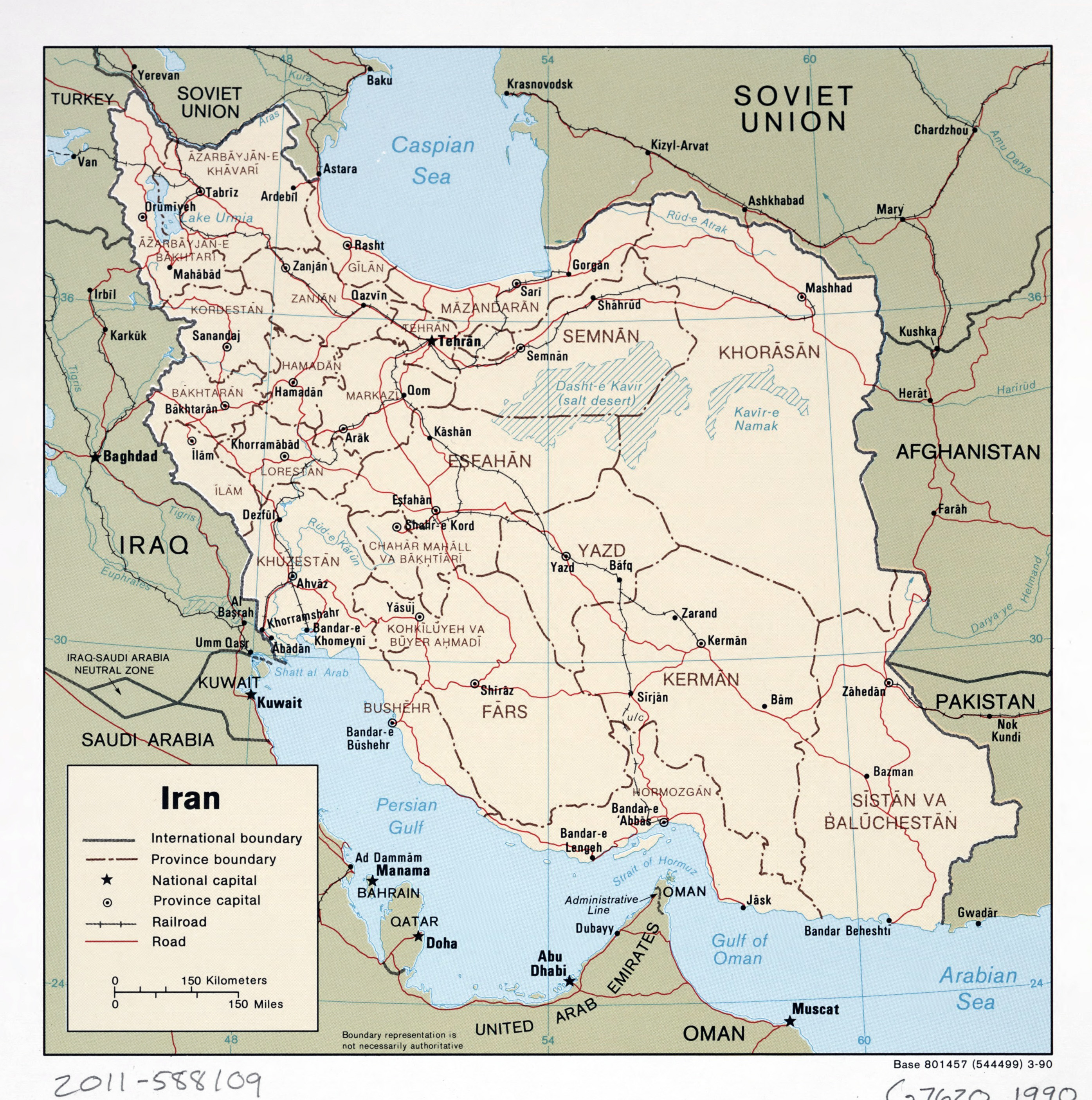
He also pointed the finger toward Iran, noting that those behind the plot are linked to Tehran. The tension highlights an uncomfortable reality for modern air power: multi-million-dollar strategic assets are sitting ducks if perimeter security or intelligence warnings point to asymmetric drone attacks.
The Drone Threat and Asymmetric Warfare
Why panic over a few suspicious vans and a bit of fuel? Simple economics.
Asymmetric warfare has rewritten the rules of base defense. It costs next to nothing to mass-produce cheap attack drones or coordinate local sabotage units. Meanwhile, a single strategic bomber parked on a tarmac is worth billions. Leaving high-value assets exposed to cheap, low-tech aerial threats or local infiltration attempts is bad strategy.
British officials insisted the base remained safe. They maintained that routine protocols protected the facility. Yet Washington chose caution over diplomatic reassurance. Moving the fleet back to the US removes a high-profile target from an active European theater where hostile state actors or proxies might try to score a symbolic victory.
What Happens Next for US Air Power in Europe
Military relocations are rarely permanent. They are strategic pauses. The US military frequently rotates assets in and out of allied territories depending on threat assessments. But this specific move serves as a harsh warning about vulnerabilities in allied host nations.
When local arrests uncover fuel canisters and coordinated surveillance near critical hangars, allied security frameworks face immediate stress tests. Washington won't gamble billion-dollar fleets on the hope that local perimeter checks will catch every threat before it launches.
The bombers are gone for now. The message is loud and clear. If the threat environment spikes, Washington moves first and asks questions later.
US pulls bombers from UK air base after suspected terror plot
This video provides an overview of the sudden withdrawal of U.S. bombers from RAF Fairford following the reported security threats and arrests near the British base.