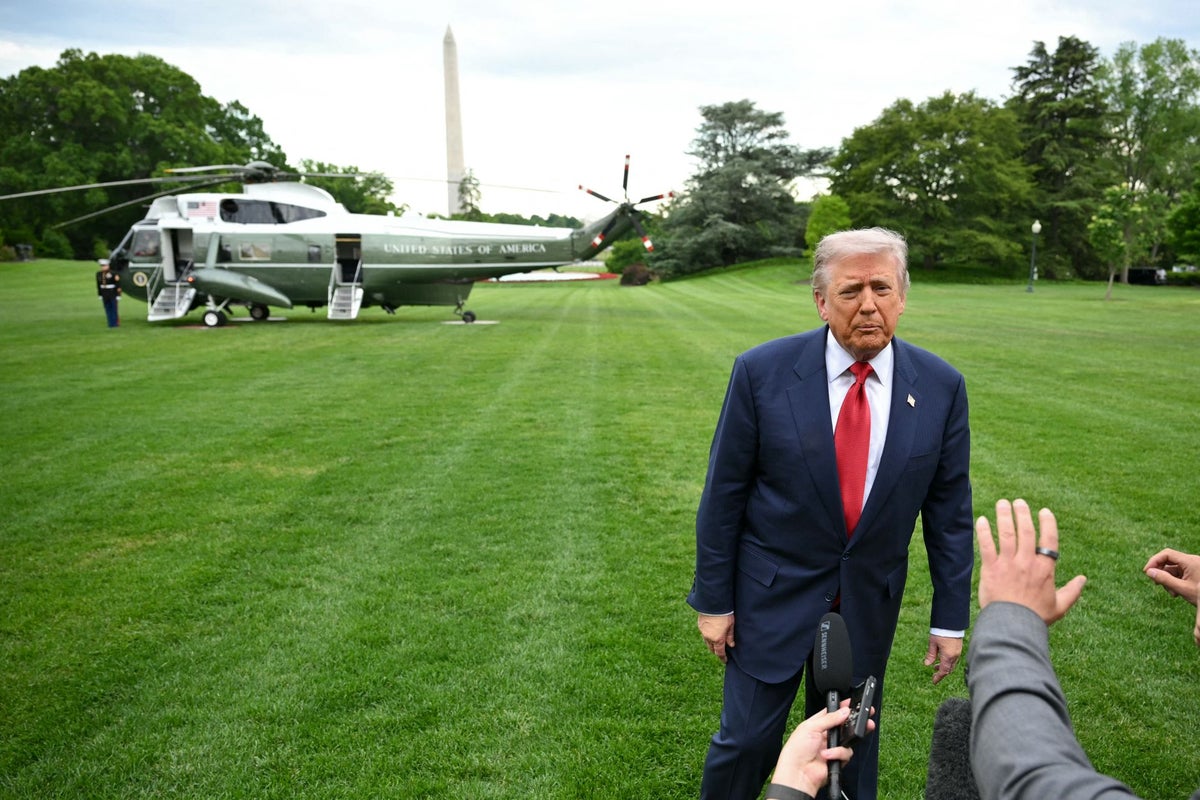
The classic image of a U.S. president walking across a lush green South Lawn to board Marine One is officially dead. Construction crews secretly put up heavy fencing and worked through the night to begin building a permanent stone or concrete helipad right outside the South Portico.
It’s the latest chapter in Donald Trump’s sweeping, aggressive redesign of the executive mansion. If you’ve followed his second term, you know he already tore down the historic East Wing for a massive ballroom and paved over parts of the Rose Garden. For critics, this new helipad looks like another gaudy, unnecessary modification by a real estate developer who can't leave historic architecture alone.
But this time, the reality is a lot more complicated than a simple obsession with renovations. There’s a multi-billion-dollar military problem hiding underneath that torn-up grass.
The Cost of the Tech Upgrades
The White House Military Office didn't just wake up and decide to ruin the lawn. The problem lies with the military’s newest presidential helicopter fleet: the Sikorsky VH-92A Patriot, manufactured by Lockheed Martin.
The federal government spent $4.95 billion to acquire 23 of these advanced aircraft, according to the Government Accountability Office. They offer superior range, advanced encryption communication systems, and top-tier defensive capabilities.
There's just one major flaw. The VH-92A Patriot vents its intense engine exhaust directly downward.
Every time the heavy aircraft hovers or lands, it blasts a superheated stream of air straight into the dirt. On a standard military base, that's fine. On the meticulously manicured grass of the South Lawn, it behaves like a giant blowtorch. The exhaust instantly scorches, burns, and kills the turf, leaving an ugly, blackened ring of dead grass right in front of the world’s most famous house.
Because of this, the $215 million helicopters have spent years restricted from actually landing on the White House grounds. When the president traveled to recent events like the NBA Finals in New York, he flew out on the new Patriot models from local military bases but had to rely on aging, decades-old helicopter models—the VH-3D Sea King and VH-60N White Hawk—just to touch down on his own lawn.
Why Past Presidents Said No
The idea of building a permanent White House helipad isn't new. Military planners and secret service officials have quietly pushed for one for decades. Every single time the idea came up under past administrations, it was shot down.
Why? It came down to a mix of historical preservation and optics.
Presidents from both parties fiercely protected the traditional, open green expanse of the South Lawn. They didn't want to alter the iconic view looking toward the Washington Monument, and they certainly didn't want to be the leader who permanently paved over a chunk of the country’s most historic yard. Former officials, including retired Marine Corps Colonel Ray L'Heureux, who previously managed Marine One missions, explicitly opposed the idea, arguing that a permanent pad is ugly and ruins the aesthetic.
But Trump has zero interest in keeping things the way they've always been. He’s spent his career building golf courses and high-rises, and he approaches the presidency with the mindset of a developer. When presented with a choice between protecting 70 years of landscaping tradition or pouring concrete to fix a practical military issue, the concrete wins every single time.
Corporations Footing the Bill
The financial setup of this project is raising eyebrows across Washington. Instead of drawing entirely from taxpayer funds, defense giant Lockheed Martin is reportedly donating $5 million directly to cover the construction expenses through a fund managed by the White House Military Office.
From a practical standpoint, the defense contractor has a strong incentive to get this pad built. They built a multi-billion-dollar fleet of helicopters that the president couldn't legally land at his own residence without destroying the grass. Paying a few million dollars to lay down a heat-resistant landing zone essentially fixes an embarrassing operational limitation for their premier product line.
Military experts like retired Marine Corps Colonel Ray LeRoe note that leaving the high-tech capabilities of the new fleet underutilized because of turf damage didn't make sense. Still, the optics of a massive defense contractor cutting a check to remodel the White House grounds has predictably added fuel to the political firestorm surrounding the project.
What Happens to the Lawn Next
If you’re expecting a massive, ugly airport runway in the middle of the grass, that’s likely not how it will play out. The project will likely utilize specialized, heat-resistant stone pavers or tinted concrete designed to blend into the surrounding landscape as much as possible, similar to the stone pavers added to the Rose Garden to accommodate heavy press equipment.
The immediate next steps for the White House grounds are purely operational. Expect the heavy construction fences to remain up until crews finish pouring the foundational materials and testing the heat resistance against the VH-92A's downward blast. Once complete, the old Vietnam-era Sea King helicopters will finally head to total retirement, and the new multi-billion-dollar fleet will take over full-time presidential transport right from the newly paved South Lawn.