Geopolitics rarely makes clean sense. One moment you're getting a public nod from Washington, and the next your name shows up on a global watchlist of drug transit nations. That is precisely what happened when Washington released its latest presidential determination on international narcotics control.
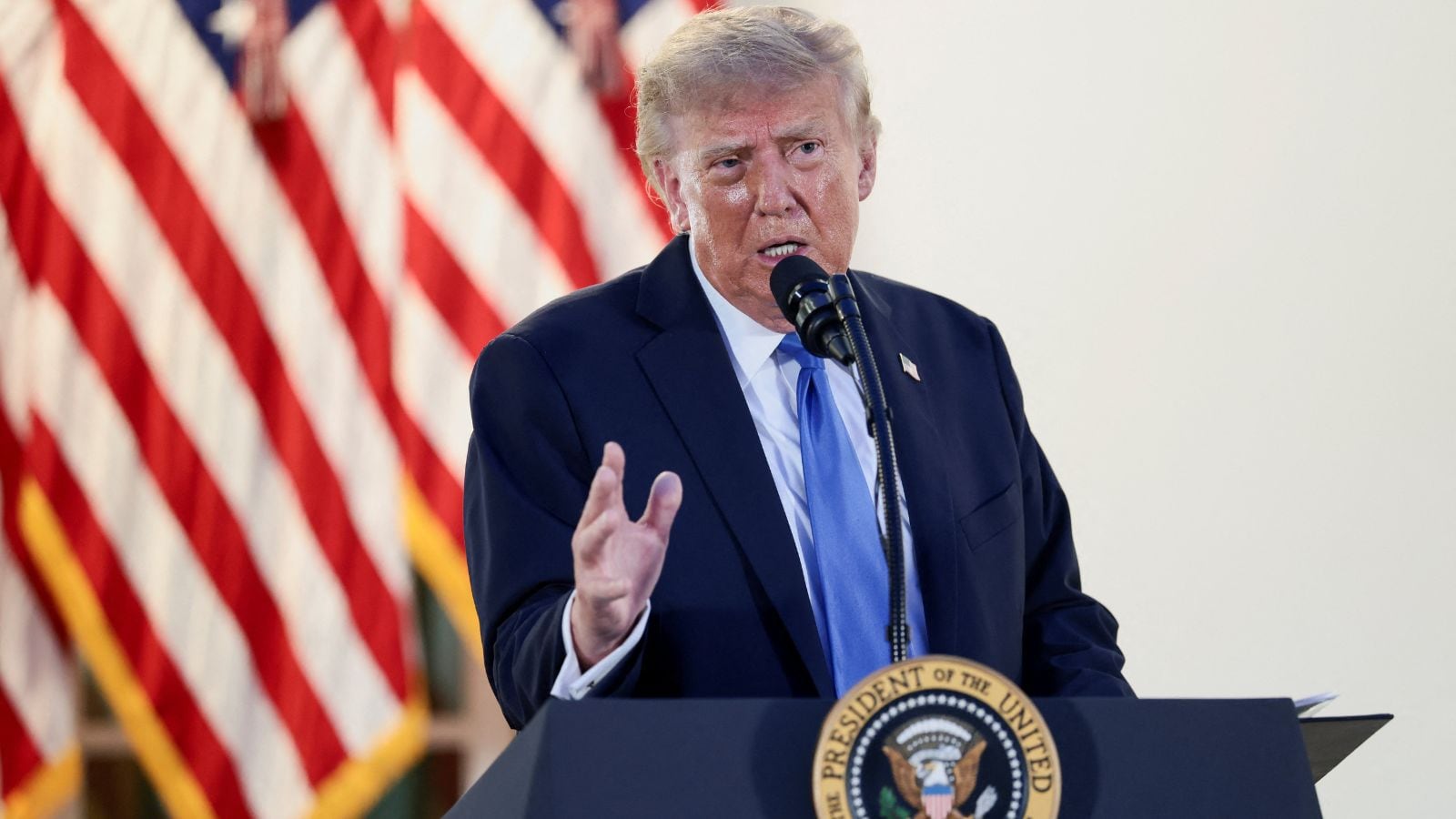
U.S. President Donald Trump singled out India for its aggressive efforts to curb illicit opium poppy cultivation. He praised Prime Minister Narendra Modi's administration for clamping down on illegal farming and protecting supply chain integrity. Yet, right alongside that praise, India landed on a roster of 23 major drug transit and illicit drug producing countries. For a different perspective, consider: this related article.
If that sounds like a contradiction, you don't understand how Washington's bureaucratic drug reporting actually works.
The Geography Problem Behind the Label
Getting placed on the official major drug transit list doesn't mean a government is failing. Washington points out that placement relies heavily on geography, commercial routes, and economic realities rather than current counterdrug performance alone. Related insight on the subject has been published by Reuters.
India sits in a tough neighborhood. Smugglers constantly try to exploit shipping lanes, porous land borders, and massive trade volumes to move precursor chemicals and narcotics. Even with strict policing, major economies with heavy manufacturing sectors always face transit risks. New Delhi has actively collaborated through bilateral frameworks like the United States-India Drug Policy Framework to intercept shipments and target illegal syndicates.
The distinction matters. Being on the list acknowledges commercial exposure. It doesn't mean the local authorities are turning a blind eye.
The Broader Global Drug Transit Roster
India isn't alone on this sprawling bureaucratic roundup. The newly released 23-country roster spans multiple continents and includes nations facing completely different enforcement realities.
The list features:
- Afghanistan
- The Bahamas
- Belize
- Bolivia
- Burma
- China
- Colombia
- Costa Rica
- The Dominican Republic
- Ecuador
- El Salvador
- Guatemala
- Haiti
- Honduras
- Jamaica
- Laos
- Mexico
- Nicaragua
- Panama
- Pakistan
- Peru
- Venezuela
Every single one of these countries deals with unique pressures. Some are primary cultivation zones, while others function purely as shipping corridors for cartels moving product toward Western markets.
Pressure Mounts on Beijing Over Precursor Chemicals
While New Delhi received a pat on the back for tightening controls on poppy farming, Washington directed much sharper criticism elsewhere. The primary target for synthetic drug concerns remains Beijing.
The White House argued that China continues to serve as the world's leading producer of precursor chemicals. These chemical compounds fuel the illegal manufacturing of fentanyl, methamphetamine, and other deadly synthetic narcotics driving overdose crises across North America.
Washington acknowledged that Beijing introduced export licensing requirements for specific chemicals heading toward North America. Even so, American officials want much harsher enforcement to choke off supply lines at the source.
What This Means Moving Forward
Labels matter in international diplomacy, but practical cooperation matters more. India's inclusion on the transit list won't disrupt bilateral security ties. In fact, joint intelligence sharing and maritime interdiction efforts between Washington and New Delhi remain at an all-time high.
If you want to understand where counter-narcotics policy is heading, look past the initial headlines about warning lists. Watch the supply chains, monitor precursor regulations, and pay attention to how major economies police their borders. The real work happens quietly behind closed doors, long after the press releases are filed away.