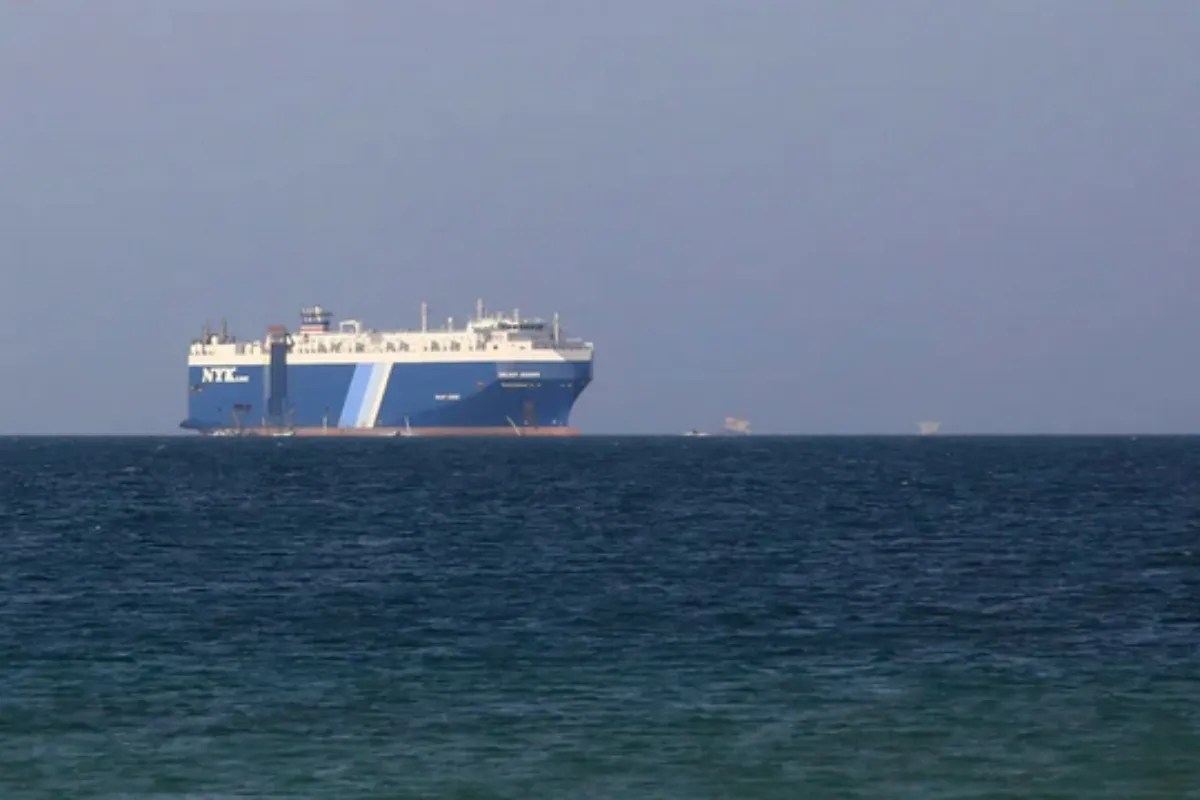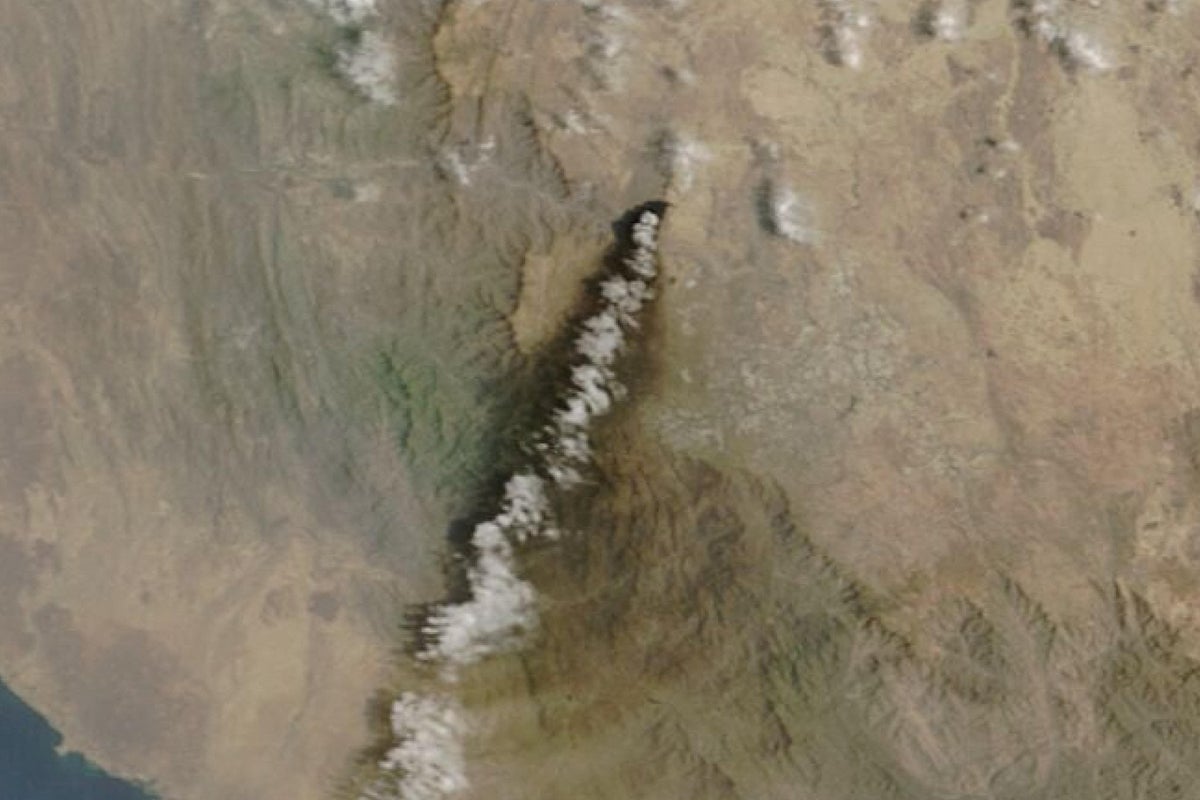
Yemen's Houthi movement just made a aggressive land grab toward the Red Sea coast, seizing critical positions overlooking the Bab el-Mandeb strait. This isn't just another flare-up in a decade-long conflict. It’s a direct strike on global energy routes that boxes in Saudi Arabia and leaves Washington with a brutal choice.
Donald Trump wanted to wash his hands of Middle Eastern entanglements. Instead, the surging Houthi offensive and its deep ties to Tehran are dragging the White House back into a conflict it tried to avoid. If you think this is a localized Yemeni problem, you are missing the entire geopolitical board. If you enjoyed this article, you might want to read: this related article.
The Squeeze on Saudi Oil
For years, Riyadh relied on an east-west bypass pipeline to keep oil flowing when the Strait of Hormuz faced Iranian threats. That workaround is breaking down. Recent strikes on Saudi infrastructure and pipelines have neutralized those safety valves.
With Iran locking down Hormuz on one side of the Arabian Peninsula and the Houthis choking the Red Sea on the other, Saudi Arabia finds itself in a geographic vise. Riyadh spent a decade fighting a costly, inconclusive war against the Houthis, and the current military escalation proves the insurgents smell blood. They know the kingdom wants out, and they are capitalizing on that exhaustion. For another look on this event, refer to the latest coverage from TIME.
Analysts point out that capturing strategic coastal positions gives the Houthis unmatched economic control. They can squeeze global shipping lanes at will. When you control both sides of the southern Arabian choke points, you hold global trade hostage.
The Trap for Washington
Donald Trump struck a deal last year to halt direct US strikes on the Houthis in exchange for a relative calm in Red Sea shipping lanes. That agreement is crumbling.
Washington faces a miserable dilemma. Intervening directly means committing military assets to a second front while trying to wind down tensions with Iran. Sitting back and doing nothing destroys the security guarantee that Riyadh has relied on for decades.
Right now, the US strategy looks like a patchwork fix. Reports indicate Washington has offered intelligence and targeting support to the Saudis, but refuses to deploy boots or launch heavy airstrikes. That half-measure rarely stops a determined insurgent force.
Edmund Fitton-Brown, a former UK ambassador to Yemen, notes that the Houthis believe the Saudis have lost their stomach for a fight. They think Washington is too distracted or weary to respond with full force. They are calling Riyadh's bluff, and so far, it’s working.
Why This Changes the Iran Calculus
You cannot talk about the Houthis without talking about Tehran. While Iran avoided direct troop deployments into Yemen, the group acts as a primary pillar of Iran's regional proxy network. Even as other regional actors face military degradation, the Houthi machine remains stubborn and heavily resourced.
This creates a massive headache for any American strategy in the Middle East. Any future diplomatic offramp or regional agreement with Iran is worthless if it ignores the proxy question. If you sign a treaty in Geneva while the Houthis choke the Red Sea, you have solved nothing.
Gulf capitals are waking up to an uncomfortable reality. Relying on American protection is no longer a bulletproof strategy. Behind closed doors, regional diplomats are realizing that direct engagement with Tehran might be the only path left to guarantee self-preservation.
What Happens Next
The friction points are multiplying too fast for Washington to ignore indefinitely. Every few weeks, a new provocation crosses a threshold that demands a response.
The US cannot simply pretend the Red Sea doesn't matter. Ignoring the threat to Saudi Arabia is self-defeating for American economic interests. Building a hybrid coalition that combines strict maritime enforcement, financial sanctions, and diplomatic pressure on Tehran is the only way out. It requires immense patience—a commodity in short supply in modern foreign policy.
Stop treating the Houthi advance as an isolated footnote. It is the main event testing whether Washington can still secure global trade routes without stumbling into a full-scale regional war.