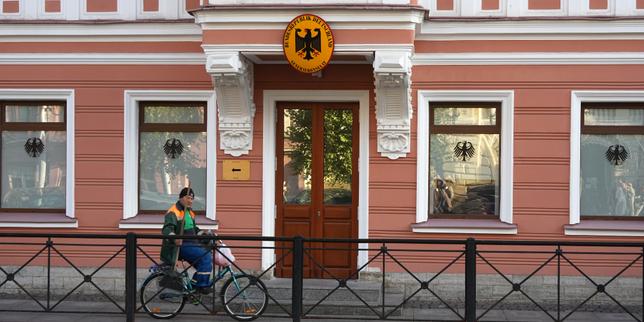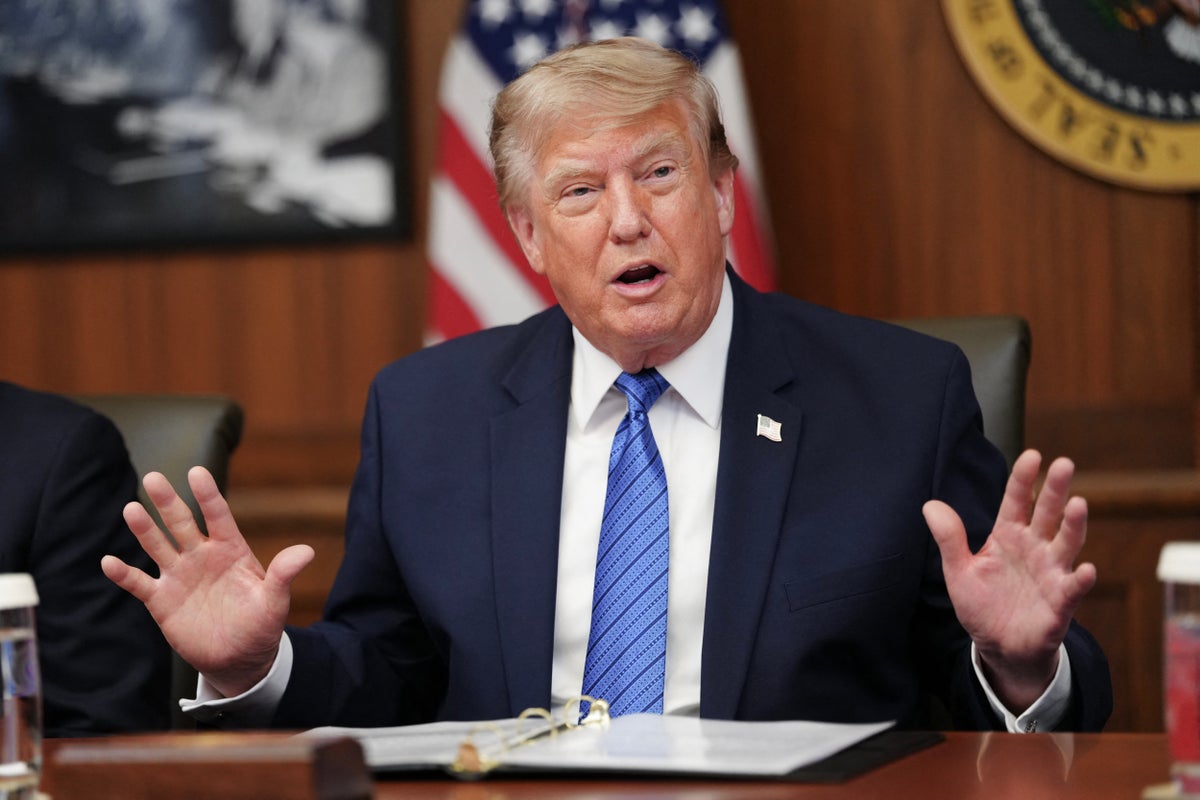
Donald Trump wants Greenland. He has said it before, and he keeps saying it. But the Arctic territory isn't buying what Washington is selling.
European leaders are stepping in with massive cash injections to lock down alliances. Meanwhile, local leaders in Nuuk are drawing firm boundaries. The White House faces yet another diplomatic wall. You cannot simply buy or bully a self-governing island with deep historic ties to Denmark. Also making news recently: Why Serbia Giving Ratko Mladic A Military Funeral Is A Disaster For Its Eu Future.
The EU Steps Up with Serious Cash
European Commission President Ursula von der Leyen recently traveled straight to Nuuk. She brought a clear message and an even clearer checkbook. The European Union pledged 200 million euros, roughly $232 million, for the next two years. This money targets climate change mitigation, modernizing internet connections, boosting fisheries, and upgrading hydropower facilities.
It does not stop there. Brussels wants to double budgetary support to around half a billion euros starting in 2028. That is not pocket change. It is strategic economic fortification. More insights on this are detailed by NPR.
Greenland's Prime Minister Jens-Frederik Nielsen called the EU a loyal and trusted friend. He did not mince words about facing new external pressures. When bigger global powers start throwing weight around, smaller territories look for reliable anchors. Brussels just handed Nuuk a very heavy anchor.
Sovereignty Remains Non-Negotiable
Von der Leyen made the legal reality crystal clear during her visit. Territory ownership is not up for grabs. Sovereignty and the inviolability of borders remain fundamental principles of international law.
Danish Prime Minister Mette Frederiksen stood shoulder-to-shoulder with Greenlandic leadership. She admitted that Copenhagen and Nuuk have felt intense pressure from Washington.
NATO allies are walking a tightrope. In January, Denmark and seven European partners sent a small contingent of military personnel to the island. Officially, it was for routine Arctic security exercises. Unofficially, it sent an unmistakable political signal.
Trump reacted predictably. He threatened fresh tariffs against Denmark, Finland, France, Germany, the Netherlands, Norway, Sweden, and the United Kingdom. Those nations pushed back hard. They condemned the tariff threats as an assault on transatlantic stability. Trump ultimately backed down once NATO agreed to expand focus on Arctic security.
The Strategic Battle for the Arctic
Why does the White House care so much about a massive, ice-covered island? Geography and resources. Melting ice caps are opening up new shipping lanes. Rare earth minerals sit beneath the ice, waiting for extraction. Beijing and Moscow are watching the Arctic circle closely. Washington views control of the region as a vital national security imperative.
Yet treating an autonomous nation like a piece of real estate backfires.
Right now, 11 NATO countries are running military exercises called Arctic Shield on the island. Around 400 special forces troops from nations like Canada, Denmark, and Finland are training for extreme cold weather conditions. Notice who is missing from the roster? American troops are completely absent from these drills, which run through mid-September.
That absence speaks volumes. It shows how friction with Washington creates real fractures inside defensive pacts.
What Comes Next for the Arctic Circle
If you think this diplomatic standoff is over, look closer at the timeline. The EU's multi-million-euro packages lock Greenland into tighter European economic frameworks for years. Local populations value their autonomy above all else. They remember centuries of colonial history. They will not trade Danish oversight for American ownership.
Governments navigating major geopolitical shifts need to look past transactional foreign policy. Respecting local agency works better than issuing social media threats or levying sudden trade penalties. Pay attention to how Arctic infrastructure funding develops over the next fiscal cycle. That is where the real future of the North Atlantic will be decided.