The term economic terrorism gets thrown around a lot these days. It sounds like a buzzword. But when you look at the current standoff between Washington and Tehran, it’s far more than just rhetoric. We are watching a deliberate, calculated attempt to rewrite the rules of global trade.
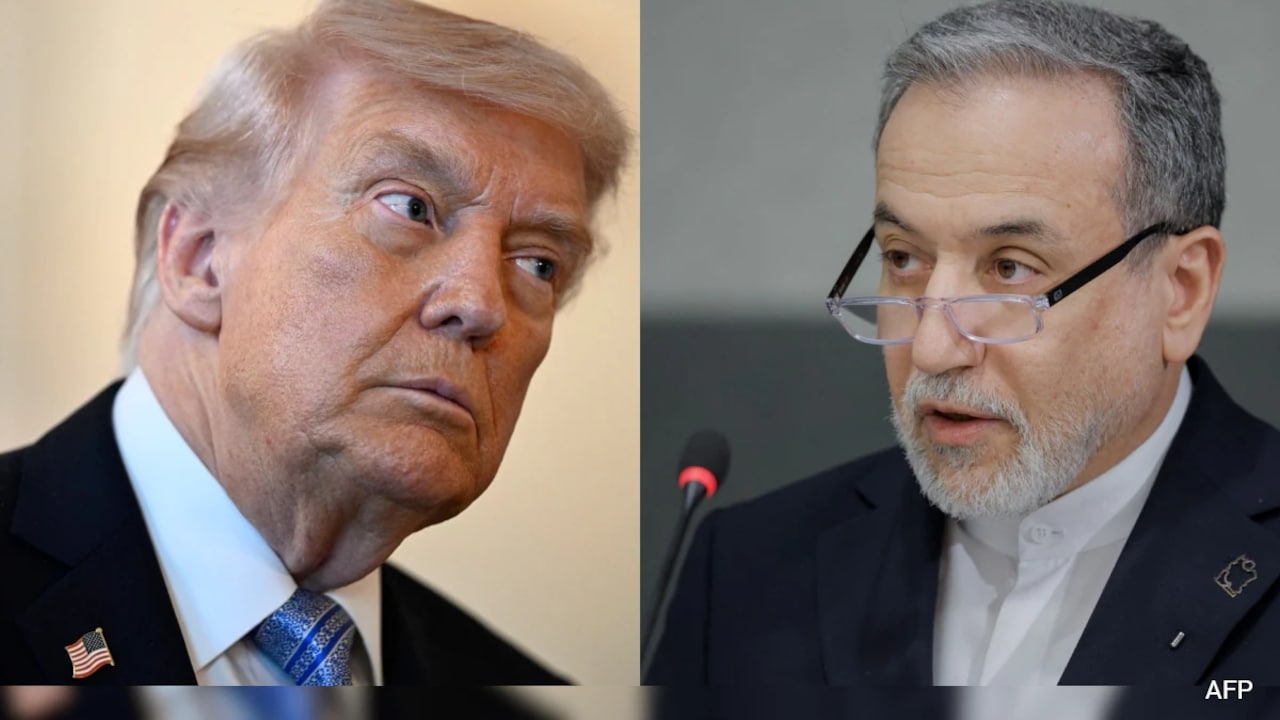
President Donald Trump recently unveiled what he calls the most crushing economic operation ever directed at a single nation. He’s threatening not just Iran, but any country that keeps a financial lifeline open to them. This isn't just about freezing bank accounts or blocking oil tankers. It’s an ultimatum to the rest of the world. It’s a message that says you are either with the US financial system or you’re on the outside looking in.
Iranian Foreign Minister Abbas Araghchi didn't waste time firing back. He labeled the move economic terrorism. If you look past the diplomatic posturing, Iran’s reaction highlights a massive shift in how middle powers are viewing American financial dominance.
The anatomy of this economic conflict
Most people look at these headlines and think about gas prices or stock market jitters. That misses the core issue. This is about the weaponization of the global financial infrastructure. By threatening sanctions on any nation—or individual business—that interacts with Iran, the White House is testing how much power they actually have over the global economy.
It’s a massive gamble.
During his previous time in office, Trump relied on maximum pressure. It was supposed to force Tehran to the table. We saw the results of that. It didn't lead to a grand bargain. It led to more regional volatility and deepened the resolve of the Iranian leadership to build a self-reliant economy. Expecting a different outcome this time around ignores how these systems actually function.
The cost of global alignment
The real question isn't just what Iran will do. It's how the allies of the United States will react. If you’re a mid-sized power in Asia or Europe, you are caught in a trap. You want to maintain stability in the Strait of Hormuz, but you also need to keep your energy markets functional.
When the US demands you pick a side, you face an impossible choice.
- If you comply with US sanctions, you lose access to Iranian energy and trade.
- If you ignore the warnings, you risk being frozen out of the dollar-based financial system.
That is an existential threat for many central banks and trade hubs. We’ve seen this script before, but the stakes are higher now. The war that began in February 2026 has already shattered many of the informal agreements that kept the Strait of Hormuz open. Now that we are looking at this new wave of economic warfare, the maritime security situation will likely get much worse before it improves.
Why this strategy might backfire
Economic pressure relies on the fear of isolation. But that only works if the alternative—the cost of being cut off from the West—is higher than the pain of losing a trading partner like Iran.
Honestly, the world has changed since the last time this strategy was deployed. Nations have spent years building workarounds. They’ve developed payment systems that don’t rely on Western intermediaries. They’ve increased bilateral trade using local currencies.
If Washington pushes too hard, they might accidentally accelerate the very thing they want to prevent: the fragmentation of the global financial system.
If you are following this closely, don’t get distracted by the daily back-and-forth on social media. Focus on the actual trade data coming out of the Middle East. Look at who is still buying, who is still selling, and which shipping insurance companies are still covering routes near Iranian ports. That’s where you’ll see the reality of this conflict, far away from the official statements.
This isn't a quick play. It’s a structural shift in how international business is conducted. You should expect this tension to define market conditions for the foreseeable future. Watch the supply chains, not the headlines.


