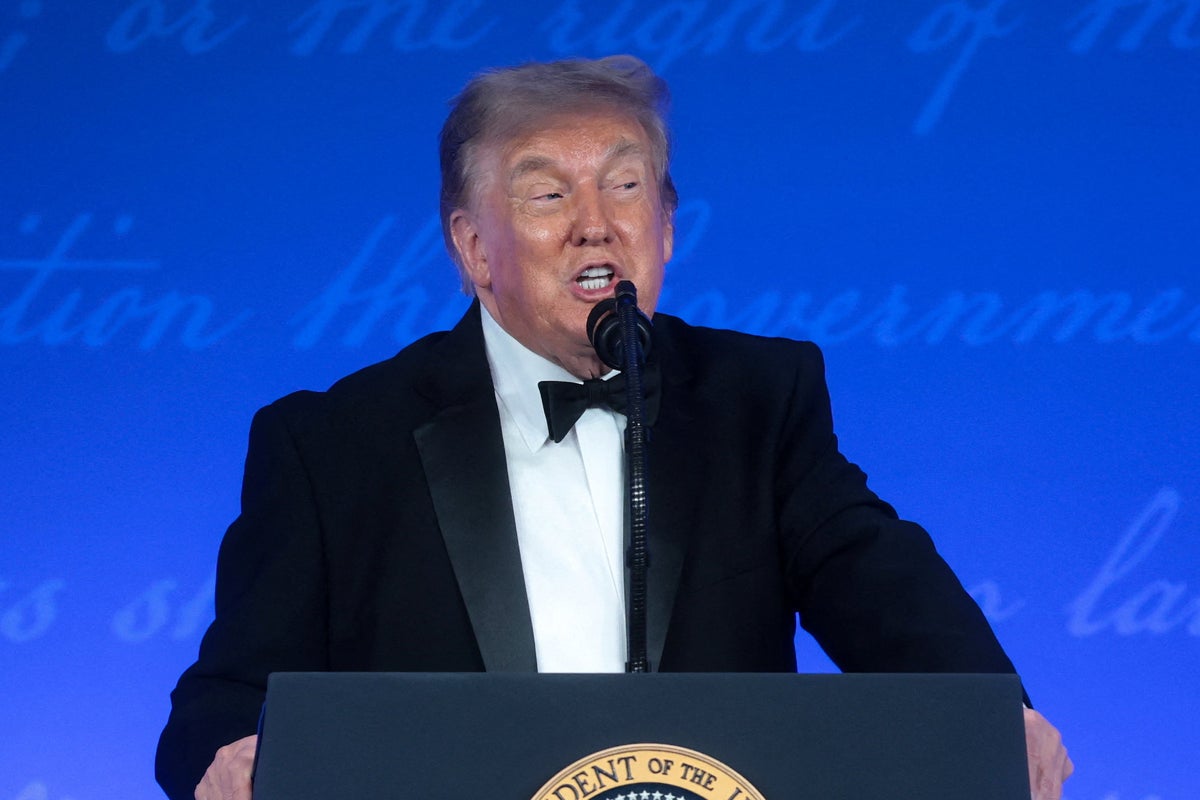
The headlines screaming about regional escalation miss the actual mechanics of how modern proxy warfare breaks global supply chains. When Houthi forces claim a missile strike targeting infrastructure inside Saudi Arabia while Donald Trump insists Tehran cannot cross the nuclear threshold, the friction isn't just diplomatic theater. It's a brutal chess match over energy corridors and deterrence.
You're looking at a dynamic where local actors amplify superpowers' worst fears. Let's break down what's actually happening on the ground and why the standard geopolitical analysis keeps missing the mark.
The Nuclear Standoff and Washington's Red Lines
Trump's insistence that Iran will never possess a nuclear weapon remains the ideological anchor of current U.S. strategy. But rhetoric about enrichment levels ignores the immediate kinetic reality. Tehran isn't negotiating from a blank slate; years of cyber sabotage, targeted assassinations of scientists, and direct military friction have hardened Iran's resolve.
When the White House draws a hard line, Tehran responds through asymmetric pressure points. You see this in the Strait of Hormuz, where commercial shipping lanes double as economic choke points. If you think economic sanctions alone can deter a regime backed into a corner, you haven't been paying attention to how smuggling networks and regional alliances adapt under fire.
Proxy Warfare Hits Home for Gulf States
The claim by Houthi forces regarding missile activity aimed at Saudi territory demonstrates the core vulnerability of the Gulf economies. Riyadh and Abu Dhabi find themselves caught in the crossfire of a wider American-Iranian confrontation.
It's easy for commentators in Western capitals to talk about abstract deterrence. It's entirely different when air defense batteries are actively intercepting incoming projectiles over vital oil processing facilities. The integrated air defense systems managed by the U.S. and its partners face relentless stress-testing from low-cost drones and ballistic variants supplied through regional supply chains.
- The Energy Chokepoint Risk: Global markets react instantly to any disruption near the Bab-el-Mandeb strait or Hormuz.
- The Cost of Interception: Firing multimillion-dollar interceptors at low-cost drones is an unsustainable economic drain over the long haul.
- The Escalation Loop: Every defensive strike triggers a retaliatory cycle that makes a lasting ceasefire increasingly improbable.
What Most Analysts Get Wrong About the Current Crisis
Most media coverage treats these events as isolated incidents. A missile here, a presidential speech there, a tanker seizure in the gulf. That framing is fundamentally broken.
The strategy playing out is decentralized and continuous. Iran doesn't need to win a conventional naval battle against the U.S. Fifth Fleet to achieve its objectives. It just needs to raise the cost of international commerce high enough that global actors pressure Washington to back down.
Trump's team understands this calculus, which explains why responses have shifted from passive defense to aggressive counter-strikes against infrastructure nodes. But military force rarely resolves structural ideological conflicts cleanly.
If you want to track where this goes next, stop watching the daily press briefings. Watch the insurance rates for supertankers transiting West Asian waters. Watch how quickly regional capitals start hedging their security bets away from Washington when things heat up. The reality of modern conflict is messy, expensive, and entirely resistant to quick political fixes.
Plan your logistics, monitor energy futures closely, and don't expect a neat diplomatic resolution anytime soon.
US-Iran War LIVE: Trump Makes U-Turn On Hormuz, Drops Proposed 20% Toll Within 24 Hours
This video provides live coverage and analysis of the shifting U.S. strategy and economic pressures surrounding the ongoing conflict in the Strait of Hormuz.
http://googleusercontent.com/youtube_content/1