Donald Trump just changed his mind on the Iran war, and he did it with a single social media post. Less than twenty-four hours after threatening to hit Tehran harder than ever, the White House shifted gears. If you are trying to keep up with the whiplash of modern geopolitics, you are not alone.
President Trump announced that he will hold off on ordering new military strikes against Iran. Why? He claims Mideast allies have finally reached the basic parameters of a deal to end the five-month conflict. Read more on a similar issue: this related article.
The Shift Behind Closed Doors
This abrupt reversal didn't happen in a vacuum. Behind the headlines of high-stakes military threats, quiet diplomacy was moving fast. Saudi Crown Prince Mohammed bin Salman jumped on a phone call with Trump to raise urgent concerns.
The stakes were obvious. Riyadh and other Gulf capitals worried that a massive U.S. escalation would trigger catastrophic Iranian retaliation against regional energy infrastructure. Saudi defense leadership flew straight to Washington to lobby for a diplomatic off-ramp, meeting with Trump and Vice President JD Vance. Additional analysis by TIME delves into comparable perspectives on this issue.
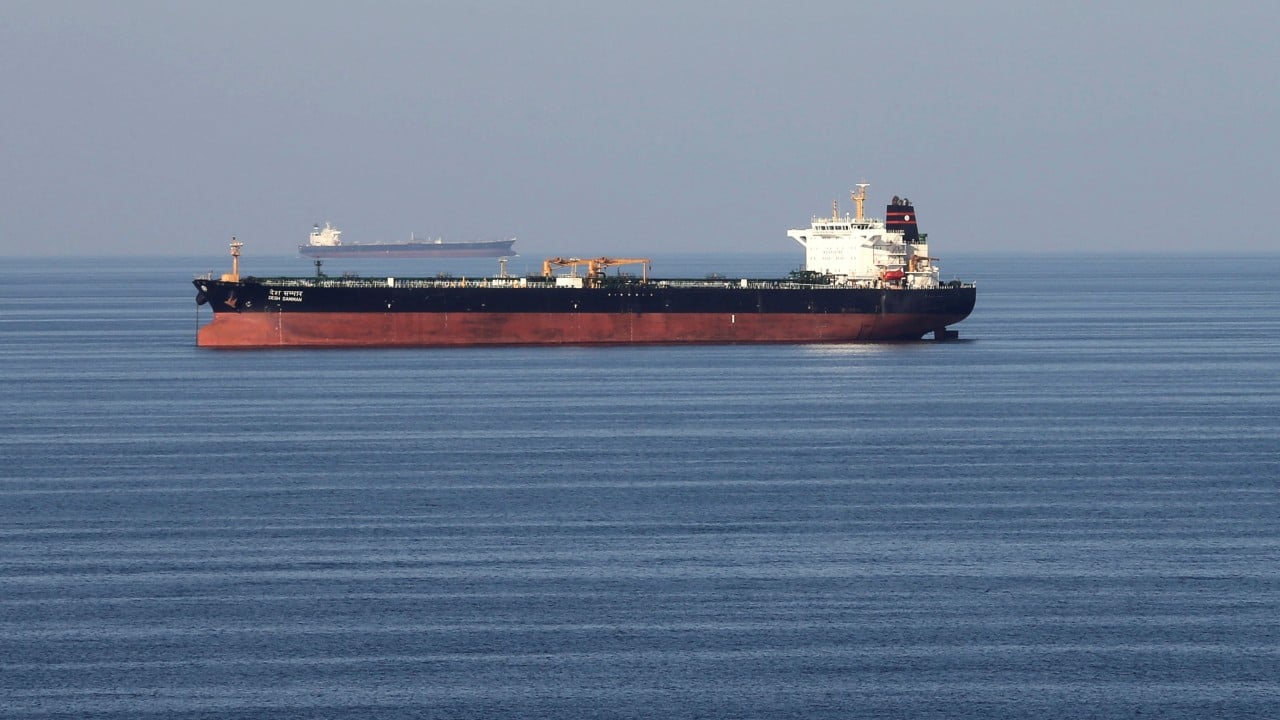
At the same time, the human and economic cost of the war kept climbing. Kuwait reported fresh drone strikes hitting vital northern facilities. Meanwhile, satellite images exposed a leaking, sanctioned oil tanker grounded off the coast of Oman near the Strait of Hormuz. The maritime choke point has remained a major flashpoint ever since an interim June truce collapsed into renewed shipping attacks.
What the Proposed Deal Entails
Trump outlined specific pillars for the emerging agreement on Truth Social. According to the administration, the framework requires two massive concessions from Tehran:
- The immediate, complete, and total opening of the Strait of Hormuz for global commerce.
- A permanent end to Iran's nuclear weapons threat.
Israel has reportedly agreed to join the United States in committing to this diplomatic track, matching Prime Minister Benjamin Netanyahu's hardline stance with a willingness to test whether a lasting settlement is possible.
The Reality Check on Regional Tensions
Skepticism remains high, and for good reason. Previous ceasefires in this conflict evaporated within weeks. Iran's regime has offered no immediate public reaction to Trump's latest ultimatum.
The U.S. State Department isn't popping champagne just yet either. Fresh security warnings went out to American citizens across ten different countries in the region, urging caution amid potential airspace closures and sudden flight cancellations.
Trump's conditional halt means the bombs stay in the bays for now, but everything hinges on whether Tehran actually complies with the reopening of shipping lanes. Watch the movement of commercial vessels through Hormuz over the next week. That is your real indicator of whether this deal holds or falls apart.