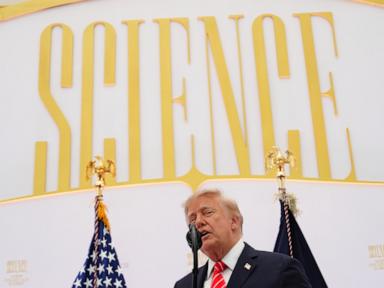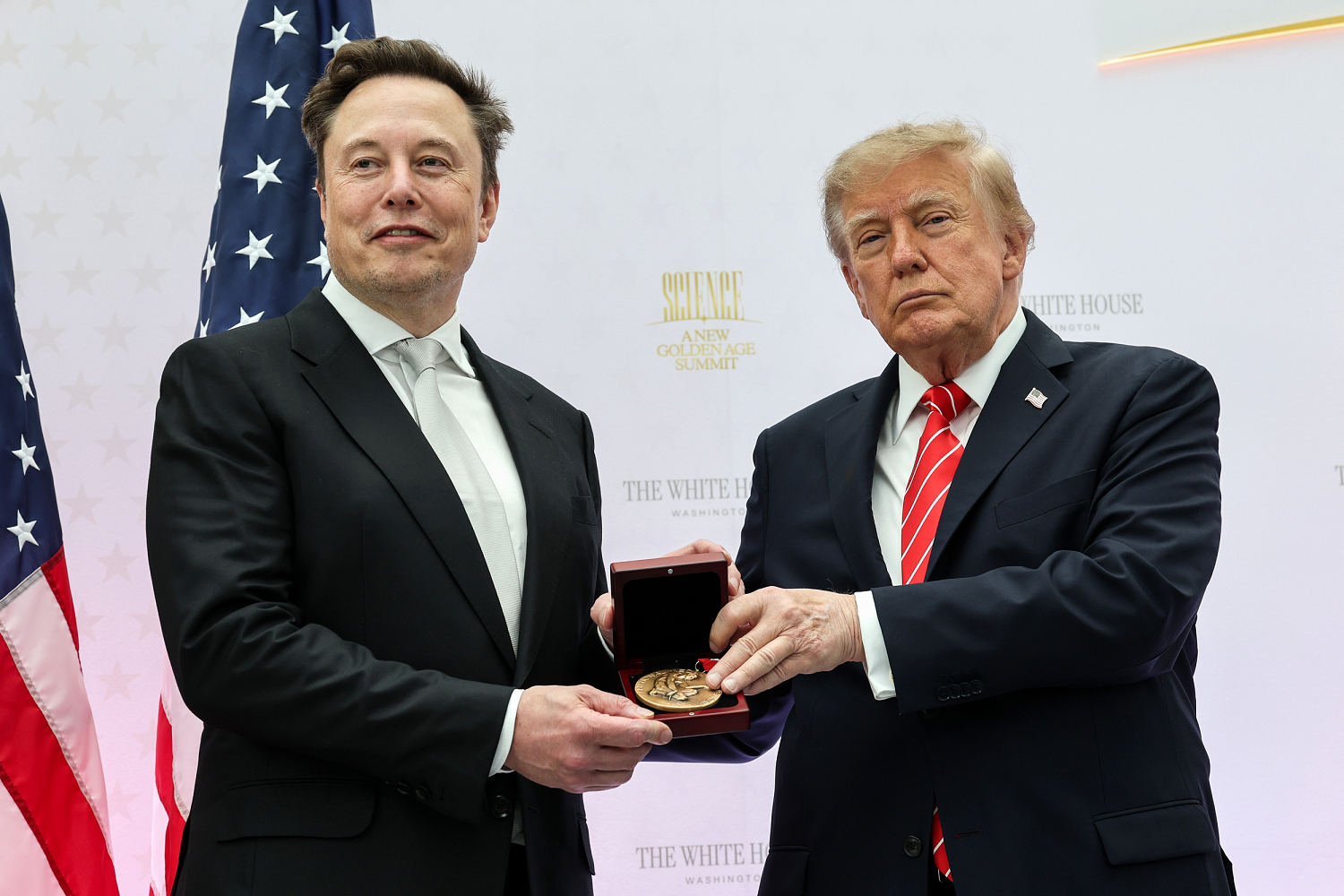
Donald Trump just did something that is sending shockwaves through both Washington and Silicon Valley. He handed out the country's top scientific honors to a roster of corporate titans, with Elon Musk right at the center of the stage.
If you look past the standard political theater, this move tells you everything about how power and technology intersect right now. The White House isn't pretending that scientific breakthroughs happen in quiet university labs anymore. They are honoring the billionaires running private enterprise space programs, chip companies, and AI empires.
Let's break down what actually happened, who got the hardware, and why this alliance matters for the future.
The Heavy Hitters Getting the Medals
The White House rolled out the red carpet for a group of tech leaders who normally spend their time fighting antitrust lawsuits or trading barbs on social media.
Alongside Elon Musk, the roster features names that basically run modern computing. Nvidia CEO Jensen Huang, AMD CEO Lisa Su, and Google co-founder Sergey Brin are all slated for the National Medal of Science. Meanwhile, tech executives like Microsoft CEO Satya Nadella and Dell Technologies CEO Michael Dell are receiving the National Medal of Technology and Innovation.
You aren't looking at traditional academic researchers who spent forty years publishing peer-reviewed papers in obscure journals. You're looking at commercial operators who scaled hardware, chips, and AI infrastructure globally.
Trump didn't mince words when talking about Musk during the buildup, calling him a modern-day industrial titan and comparing his engineering footprint to historical giants. That's a massive shift from past political tensions, proving that political alignments in tech shift fast when billions of dollars and national security goals align.
Why Washington is Suddenly Best Friends with Silicon Valley
You have to ask yourself: why now? Why are politicians who usually bash big tech suddenly handing out medals to the industry's richest founders?
The answer boils down to one word: dominance. The global race for artificial intelligence and advanced semiconductor manufacturing has turned into a cold war. Washington knows the federal government can't build advanced GPUs, rockets, or hyper-scale data centers on its own. They need private capital, massive compute power, and sheer corporate execution.
By awarding these medals, the administration is cementing a direct pipeline between federal ambition and private tech monopolies. It's a pragmatic marriage of convenience. Silicon Valley gets regulatory breathing room and prestige, while Washington gets to claim credit for American technological supremacy.
The Controversy Behind the Hardware
Not everyone is clapping. Handing the nation's highest scientific awards to corporate executives rather than career scientists has drawn sharp criticism from academic circles.
Traditional researchers point out that the National Medal of Science was originally designed to honor foundational discoveries—the physicists, biologists, and chemists who discovered laws of nature without immediate profit motives. When you give that same medal to the CEO of a publicly traded semiconductor firm or an EV manufacturer, the line between scientific discovery and commercial enterprise blurs completely.
Critics argue it turns a prestigious scientific accolade into a networking event for billionaires. But supporters counter that modern science requires commercial muscle. Without Jensen Huang's GPUs, modern AI research wouldn't exist. Without Elon Musk's reusable rockets, space exploration would still be bogged down by decades of bureaucratic delays.
What This Means for the Next Decade of Tech
If you're watching the tech sector, this event signals a permanent pivot. The era of government trying to aggressively break up or regulate big tech out of existence has taken a backseat to a new strategy of national champion building.
Expect closer partnerships between defense agencies and private AI labs. Expect fast-tracked permits for data centers, energy grids, and manufacturing plants. The message from the top is clear: if you control the compute, you control the country's future.
Keep an eye on how these companies navigate upcoming policy fights. When CEOs start collecting medals from presidents, the cozy relationship between state power and corporate tech deepens in ways that will shape our digital lives for decades.