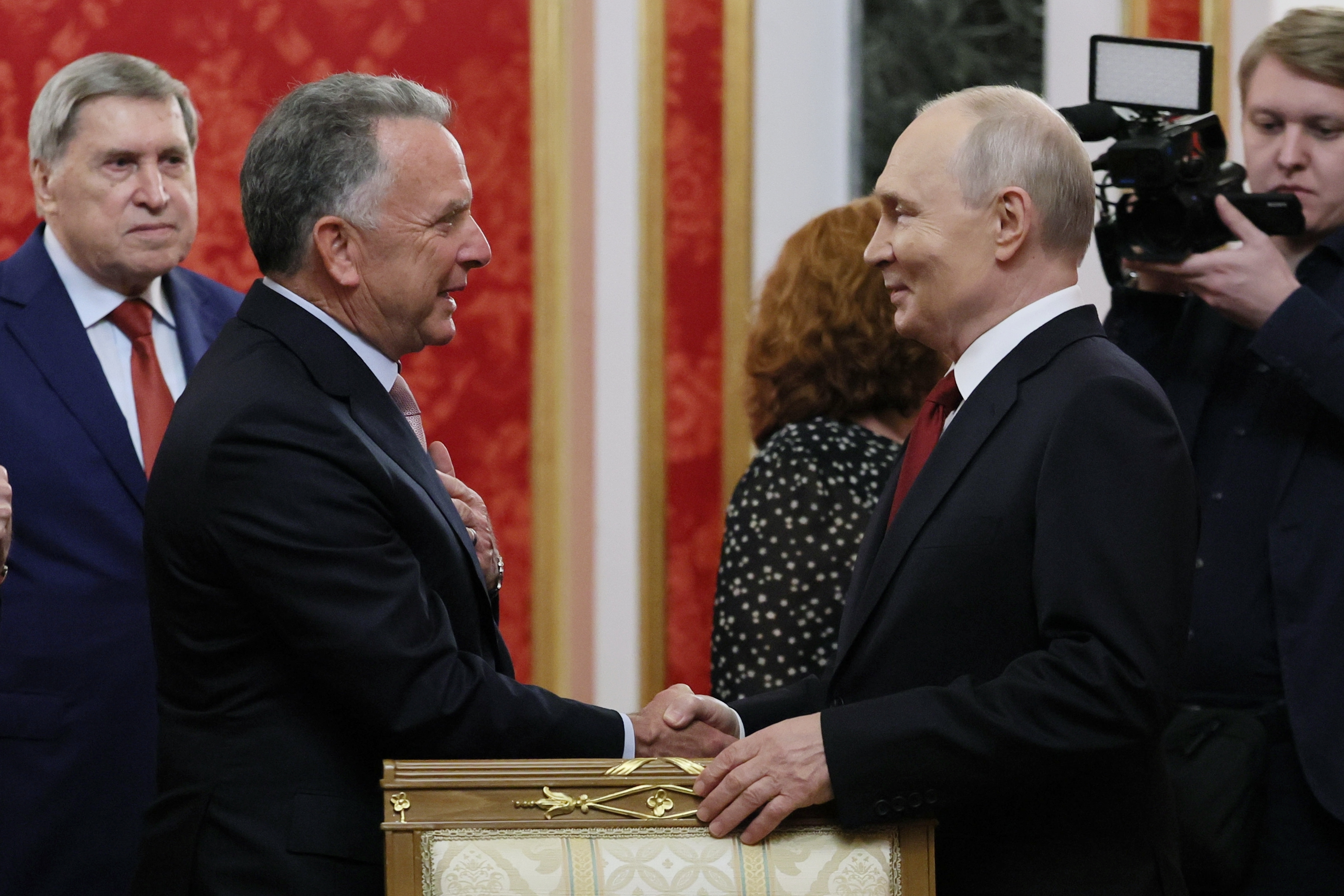
You can fly to Moscow, sit down with Vladimir Putin for three hours, and ride a train into Kyiv all in one weekend. But changing the hard geometry of Europe's bloodiest conflict takes a lot more than frequent flyer miles and business-deal optimism.
Donald Trump's special envoys, Steve Witkoff and Jared Kushner, finally made their long-awaited first trip to Kyiv on September 6, 2026. They arrived via a train from Poland after wrapping up talks in Russia. Ukrainian President Volodymyr Zelenskyy greeted them at Sofiiska Square.
What followed was a high-stakes diplomatic sprint that left everyone talking. Did it stop the fighting? Not a chance. But it changed the conversational baseline heading into the winter months.
The Core Strategy Behind the Shuttle Diplomacy
If you want to understand why Washington keeps pushing this angle, look at the method. Witkoff and Kushner aren't career diplomats from the State Department. They are billionaire dealmakers. Their playbook relies on shifting the focus away from intractable territorial disputes and toward future economic upside.
The pitch is simple in theory. Why keep bleeding thousands of lives over trench lines when you can talk about reconstruction, critical minerals, and modern infrastructure?
It sounds great in a boardroom. On the ground in Ukraine, the math is entirely different.
Zelenskyy acknowledged that the American envoys brought a few "good, worthwhile ideas" to the table, touching on things like energy security, grain shipments, and infrastructure protection. Yet, the Ukrainian leadership remains deeply realistic. Zelenskyy told reporters straight out that he expects the war to continue, keeping his focus squarely on survival, winter energy needs, and securing more Patriot air defense batteries.
What Happened Behind Closed Doors in Moscow and Kyiv
Timing dictates everything in wartime politics. Before touching down in Kyiv, Witkoff and Kushner spent over three hours with Putin in Moscow. Kremlin aide Yuri Ushakov later described that meeting as substantive, frank, and structured around Russia's perceived battlefield momentum.
Putin basically told the U.S. side that Moscow believes victory is close and that military objectives will be pursued until met. At the same time, Putin assured Trump during a subsequent one-hour phone call that Russia has no aggressive plans targeting the rest of Europe.
That narrative hits a brick wall in Kyiv. Ukraine has spent years under a relentless barrage of ballistic missiles and jet-powered drones targeting power plants, substations, and civilian infrastructure. A brief pause in strikes on the capital during the envoys' visit doesn't erase the terrifying reality of a freezing winter ahead.
The Reality of Western Security Guarantees
Nobody wants a temporary ceasefire that just gives the Kremlin time to reload. That is Kyiv's primary fear.
Ukraine's negotiating posture relies on ironclad security guarantees. If a peace package looks like it was drafted entirely to satisfy Moscow's wish list, it's a non-starter. European allies like the U.K., Germany, and France are acutely aware of this risk. During the weekend meetings, European officials joined the talks to ensure Ukraine's defense needs weren't sidelined by American deal-making impatience.
Let's be honest about what's missing. Real deterrence requires physical hardware. Western defense officials have pointed out that Kyiv needs hundreds of Patriot interceptors, air-to-air missiles, and billions in immediate drone funding just to weather the coming months. Economic carrots don't stop incoming glide bombs.
Where Things Go Next
Trump wants a breakthrough during his presidency. He's made no secret of his desire to force a swift end to the conflict. Following the weekend shuttle, attention now shifts toward New York and the United Nations General Assembly, where Zelenskyy hopes to meet directly with Trump around September 20.
The underlying friction points haven't budged. Moscow wants territory and capitulation dressed up as neutrality. Kyiv wants sovereignty, survival, and guarantees that the shelling won't start again six months later.
Real estate logic works when both sides want to sell the building. Right now, one side wants to burn it down, and the other refuses to leave.
Stop expecting a magical handshake to fix four and a half years of total war. Pay attention to what happens with air defense shipments and winter power grids instead, because that is where this war will actually be won or lost.