Donald Trump just declared what he calls the "most crushing economic operation" in history against Iran. He’s promising that the regime is on its final breath, that their currency is dead, and their military infrastructure is nothing but rubble. It sounds decisive. It sounds like a victory lap. But if you’ve spent any time watching how these high-stakes geopolitical standoffs actually play out, you know the gap between a Truth Social post and an actual economic collapse is massive.
Basically, the President is betting that if you squeeze hard enough, the opponent eventually stops breathing. But Iran’s economy hasn't been a normal, functioning entity for decades. It’s a hyper-adapted, sanctions-hardened survivor. Treating it like a standard corporate entity that hits bankruptcy after a bad quarter is a fundamental miscalculation.
The Reality of Sanctions Adaptation
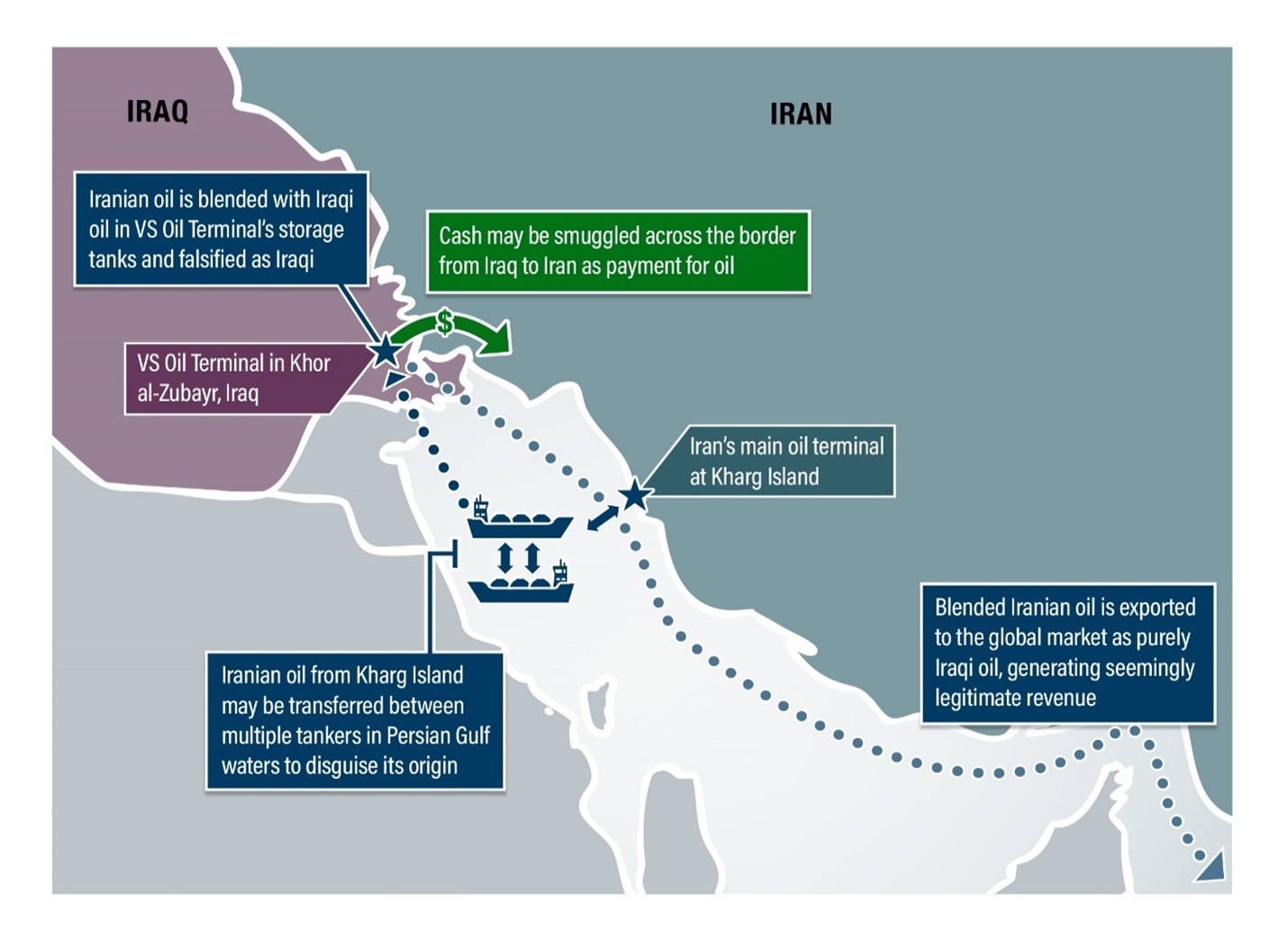
You’ll hear a lot of talk about "crushing" measures. The reality? Iran has been building a shadow economy for years. When you have nowhere else to go, you get creative. They’ve perfected the art of the shadow tanker fleet—unmarked ships moving oil through the dark corners of the global market. They’ve leaned into crypto-wallets and shell companies to bypass the standard banking grid.
Treasury Secretary Scott Bessent claims they’re targeting these specific nodes, from crypto-wallets to obscure bank accounts. Sure, that makes it harder. It increases the "cost of doing business" for Tehran. But there’s a difference between making life difficult and causing a total state failure.
Think of it like this. You can block a highway, but the traffic will just start flowing through the local streets. It’s slower, it’s more expensive, and it’s a pain for everyone involved—but the cars still get to the destination. Iran’s "destination" is enough revenue to keep the lights on and the security apparatus funded.
Why the Strait of Hormuz Stays at the Center
The tension over the Strait of Hormuz is the real story here. It isn't just about regional posturing. It’s the throat of the global energy market. Trump says the strait is becoming "irrelevant." That’s a bold claim. History suggests otherwise. Every time there’s a flicker of conflict here, oil prices spike globally.
When you hear officials talk about a "deal" to reopen the strait, remember that they are negotiating with a regime that views its control over that water as its ultimate leverage. If they give that up, they give up their seat at the table. That’s why these negotiations keep stalling. It’s a game of chicken, and neither side wants to be the first to blink.
Ignoring the China Factor
Here’s the part most commentary glosses over: China. Tehran’s economic future isn't tied to the U.S. financial system—it’s tethered to Beijing.
If Washington tries to hit Iran’s partners with "tremendous economic consequences," they are essentially declaring a trade war on their biggest customers. You cannot simply flip a switch and turn off China’s energy intake without causing a domestic disaster in the United States. Trump’s team knows this. It’s why the rhetoric is so loud, yet the specific operational details remain, frankly, nonexistent. They’re projecting strength to the midterms, but they’re navigating an incredibly narrow corridor.
What to Watch for Next
Stop looking at the presidential posts and start looking at the actual, quiet movements in the shipping insurance and tanker tracking markets. If you want to know if the pressure is actually working, don't listen to the speeches. Watch the cost of shipping oil from the Persian Gulf. If it stays high, the sanctions are effectively creating a tax on global energy.
- Monitor the Oil Spreads: If the price of Brent crude moves significantly higher than the regional benchmarks, it means the market is pricing in a sustained blockade.
- Follow the Secondary Sanctions: If the administration actually moves to punish Chinese firms, that’s when you know this is real. Until then, it’s mostly political theater.
- Track the "Shadow" Activity: Look for reports on vessel-to-vessel transfers in the Indian Ocean. That’s where the real economy is happening, not in the official press releases from the Treasury.
Tehran isn't folding. They are hunkering down. They’ve seen "maximum pressure" before, and they’ve survived it by thinning out the living standards of their own population rather than abandoning their strategic goals. That is the tragedy of this cycle. The regime doesn't collapse; the people just get poorer while the leadership doubles down on the status quo.
Don't expect a quick resolution. This is a grind, not a sprint. We are looking at a long-term erosion of regional stability, not a sudden change in command. Keep your eyes on the shipping lanes and the actual energy prices. That is where the truth resides.