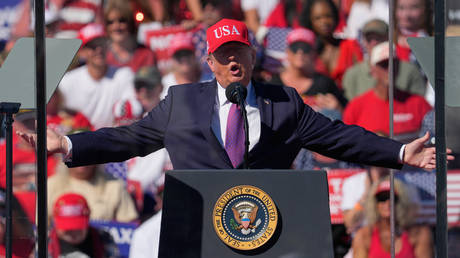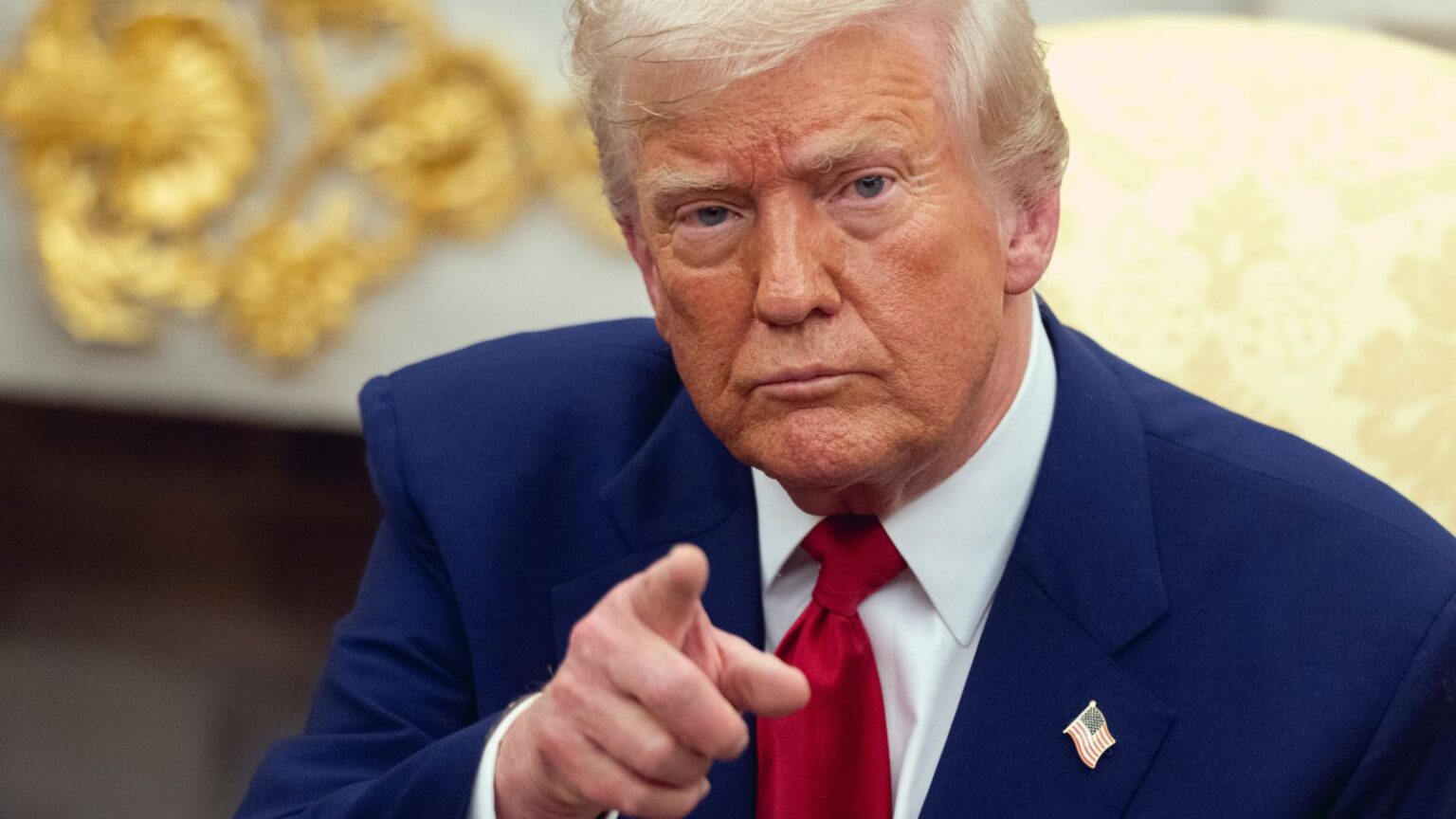
The debate over punishment, public spectacle, and federal transparency reached a sudden pivot when Washington reversed course on how the nation will witness capital punishment. US President Donald Trump announced that the execution of Nidal Malik Hasan—the gunman convicted of killing 13 people at the Fort Hood military base in 2009—will not be broadcast to the general public.
This decision marks a sharp about-face from initial announcements made by the Pentagon. Defense Secretary Pete Hegseth had previously stated that the execution, scheduled for December 3 at 1:00 PM Central Time, would be streamed live. The rationale presented by defense leadership was simple: accountability and strong consequences. Yet, intense backlash from legal scholars, lawmakers across the political spectrum, and victims' advocates forced a presidential intervention.
The Backlash and Legal Hurdles
Why did the administration pull back so quickly? Honestly, the legal and ethical obstacles were massive.
Federal laws strictly regulate the broadcast of obscene, indecent, or graphic material. Streaming a state-sanctioned execution online presents an enforcement nightmare regarding minor access filters. More importantly, critics from both parties pointed out a grim reality. Publicizing capital punishment on the internet doesn't necessarily deter crime. Instead, security experts warn it risks turning a grim state execution into a viral spectacle, potentially inspiring copycats or glorifying the perpetrator.
Trump acknowledged these concerns in his statement while standing firm on the ultimate sentence. He noted that while he initially viewed a public broadcast as a potent message to terrorists, pushback from well-meaning citizens convinced him otherwise. Hasan will still face execution by firing squad on December 3, but viewing access will be strictly limited to the immediate family members of the victims rather than a global audience.
Looking Back at the Fort Hood Tragedy
To understand the weight of this moment, you have to look back at the devastation of November 5, 2009. Nidal Malik Hasan, then a US Army major and psychiatrist, opened fire at a soldier readiness processing center at Fort Hood in Killeen, Texas.
Thirteen people died that day, and over thirty others sustained injuries. A military jury convicted Hasan in 2013 on multiple counts of premeditated murder and attempted premeditated murder, sentencing him to death. Over a decade of legal appeals followed, moving slowly through the military justice system until the recent scheduling of his execution by firing squad.
Trump’s latest remarks also brought renewed attention to systemic criticisms surrounding the attack. He explicitly blamed the administration of former President Barack Obama for what he termed an intelligence failure preceding the shooting, citing missed red flags in Hasan's communications and behavior prior to the rampage.
What This Means for Federal Policy Moving Forward
The reversal sets a clear boundary on how modern technology intersects with capital punishment in the United States. While digital connectivity makes broad broadcasting technically feasible, American legal tradition draws a firm line against turning state executions into mass media events.
For the families of the fallen soldiers at Fort Hood, December 3 will bring closure through the execution itself, witnessed privately by those most affected. For the public, the event remains a matter of historical record and legal accountability, stripped of the digital sensationalism that threatened to overshadow the solemnity of justice.
The execution proceeds as planned on December 3 at the exact hour the 2009 tragedy began. Only this time, the world will watch the aftermath through news reports rather than a live feed on a screen.