Another headline blares that a major military confrontation has been narrowly avoided. It feels like déjà vu. US President Donald Trump announced that planned military strikes against Iran are officially on hold. Why? He claims the perimeters of a diplomatic deal have finally been agreed to, bringing Israel into alignment with Washington's temporary pause.
Let's look past the political posturing. The reality on the ground is complicated, messy, and far from settled.
The Core Demands Behind the Pause
Trump took to social media to state that regional partners and Iranian channels asked him to hold off on military action. According to statements released on Truth Social, this reprieve hinges on two non-negotiable points.
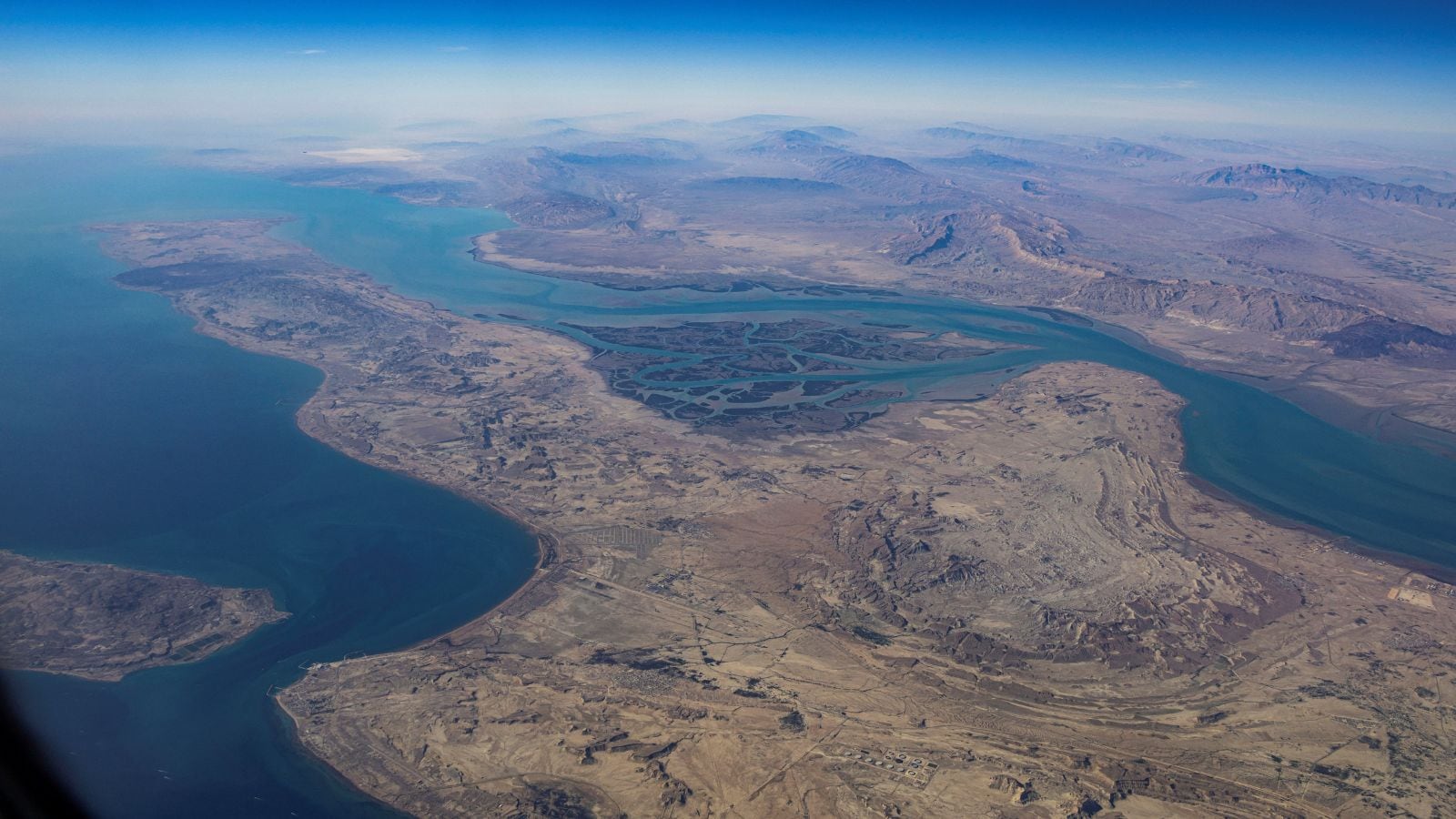
First is the immediate and total opening of the Strait of Hormuz. This global energy chokepoint has faced severe disruptions, choking maritime traffic and worrying international markets. Second is an enforceable halt to Iran's nuclear advancement program.
Without these concrete concessions, the White House maintains that the military option remains fully on the table. The US military is still positioned for heavy action if negotiations stall out.
Why Israel and Regional Players Matter Here
Bringing Israel into the fold on this commitment marks a notable shift. Israeli leadership has remained on high alert, balancing intense security concerns with Washington's sudden diplomatic pivots. At the same time, regional powers like Saudi Arabia and other Gulf states have actively lobbied behind the scenes to prevent a full-scale regional explosion.
Military analysts point out a harsh logistical truth. Sustaining continuous interception campaigns against ballistic missiles places immense strain on naval and air defense stockpiles. Interceptor missile inventory isn't infinite. Pentagon planners have quietly wrestled with these heavy resource demands for months. Diplomacy isn't just a humanitarian choice here; it's a strategic necessity when defense inventories run tight.
What Most People Get Wrong About This Deal
People assume a canceled strike means a permanent peace treaty. It doesn't.
Trump's announcement is explicitly conditional. He framed it around the expectation that a rapid deal can be hammered out. Tehran has floated various counter-proposals through mediators like Pakistan and Turkey, but official confirmation of total agreement from Iranian state media is often slower or entirely contradictory.
Sanctions remain active. Naval blockades or enforcement postures can snap back into place instantly. We've seen this cycle before. Threats scale up, last-minute diplomatic appeals arrive, strikes are paused, and then everyone waits to see if the opposing side actually signs on the dotted line.
Looking Ahead at the Timeline
Negotiators are under immense pressure to turn loose frameworks into binding text. If Tehran drags its feet or if nuclear enrichment continues behind closed doors, expect the rhetoric to turn hostile overnight.
Keep a close eye on maritime traffic through the Strait of Hormuz. That's the real-time indicator. If commercial tankers move freely without interference, the framework might actually hold. If traffic jams or security threats persist, the paused bombers will take flight.
Watch the actual text of the agreement when it drops, ignore the social media noise, and track the shipping lanes.