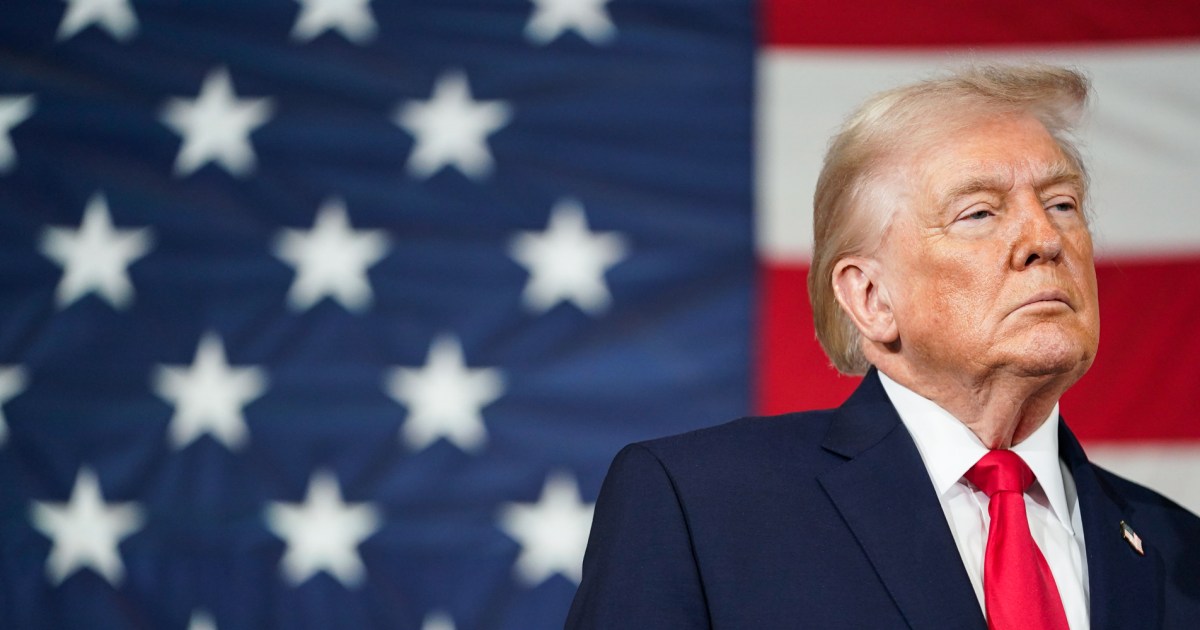
Federal agents just showed up on the doorsteps of some of America's top investigative journalists. If you think the battle between the White House and the press corps was just theatrical bickering for cable news ratings, what happened Friday night is a harsh reality check. The Department of Justice issued federal grand jury subpoenas to multiple New York Times reporters, demanding their presence in a Manhattan courtroom this coming Wednesday.
The catalyst for this aggressive move? A pair of explosive stories detailing serious security vulnerabilities on President Donald Trump’s newly acquired, Qatari-gifted Air Force One. For a more detailed analysis into this area, we recommend: this related article.
This isn't standard political posturing. It’s a direct, legal assault on confidential sources within the intelligence community. The administration wants to know exactly who told the Times that the president's shiny new multi-million dollar jet might actually be a sitting duck in a war zone.
The secret mid-air plane swap in Turkey
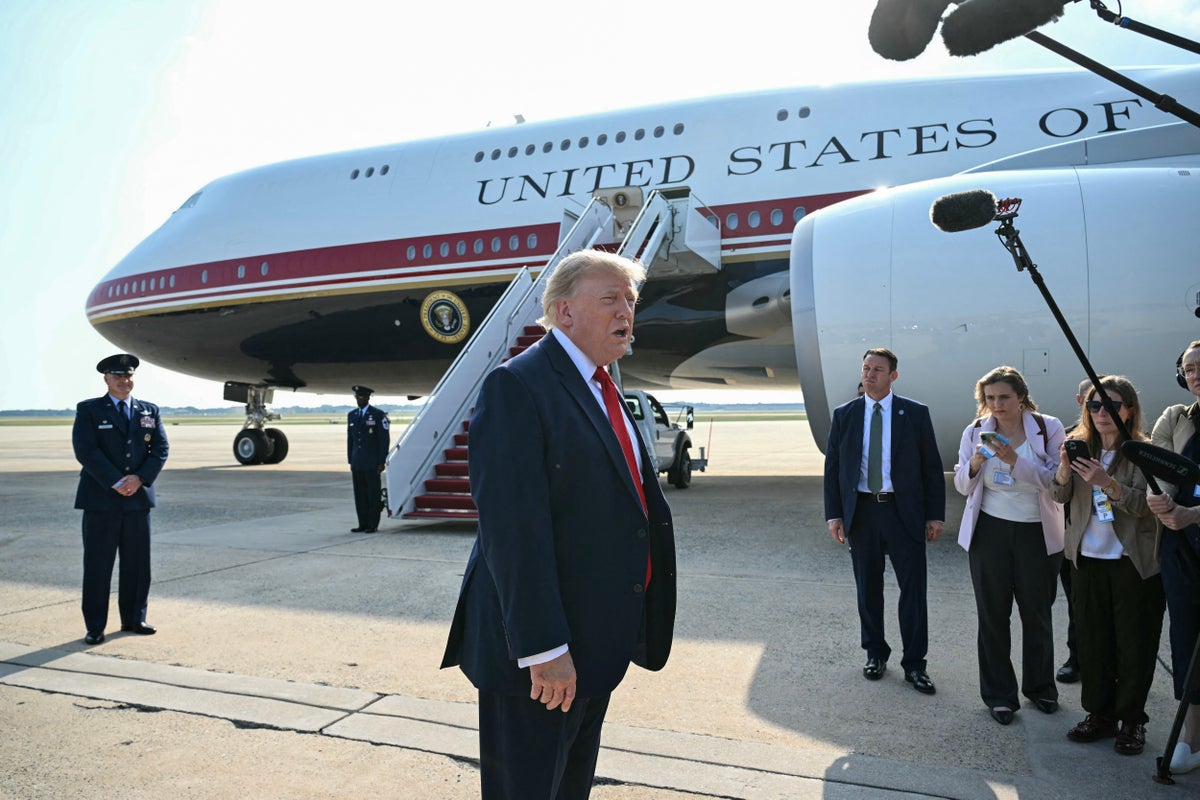
To understand why the DOJ is moving with such fierce urgency, you have to look at the bizarre logistics of Trump's trip to the NATO summit in Turkey earlier this week. He arrived in style on the newly retrofitted Boeing 747, a massive aircraft gifted by the government of Qatar that recently underwent a $400 million upgrade. It was supposed to be a triumphant symbol of international alliances and luxury. For additional information on the matter, comprehensive analysis is available at USA Today.
Then everything went sideways.
As the fragile U.S.-Iran ceasefire disintegrated—marked by fresh American airstrikes and Iranian retaliation against Gulf states—the Secret Service grew anxious. Turkey shares a border with Iran. When it came time to depart the summit for Mildenhall Air Base in England, Trump didn't board the new Qatari jet. Instead, he swapped to an older, battle-tested model of Air Force One.
The New York Times reporters—Julian E. Barnes, Eric Lipton, Tyler Pager, and Eric Schmitt—noticed. They published an anonymously sourced report explaining that the Secret Service explicitly ordered the plane swap due to the sudden spike in regional tensions.
The next day, they dropped an even bigger bombshell. According to their sources, the $400 million Qatari jet was rushed into service so quickly that it lacked advanced defensive countermeasures, including the critical anti-missile capabilities built into the older presidential fleet. The older planes have complex systems designed to blind incoming anti-aircraft missiles and deploy chaff to throw them off course. The new plane, essentially, was defenseless against an Iranian missile strike.
The DOJ hunts for the leakers
Trump didn't take the reporting well. He quickly took to social media to claim the stop in England was just an innocent detour so U.S. service members could admire the new aircraft. When reporters asked him directly if he feared an Iranian threat, he shrugged it off. "I’m No. 1 on the kill list for Iran," he remarked, joking that he preferred being number one on TikTok.
Behind the scenes, though, the administration was furious. White House communications director Steven Cheung claimed the new plane was state-of-the-art and safe, suggesting that the administration uses "distraction and misdirection" as a deliberate security protocol.
But by Friday night, distraction turned into legal retaliation. The FBI and DOJ didn't just issue polite requests. They sent agents to the personal homes of the journalists to hand-deliver grand jury subpoenas.
The Justice Department is trying to spin this as a routine leak investigation. A DOJ spokesman stated that reporters aren't the primary targets of the investigation. Instead, they want the names of the administration and intelligence officials who leaked classified details about presidential security.
"We are not going to ignore the law and stop investigating the people who work in the administration and think it's okay to leak classified information impacting national security," the DOJ statement read.
🔗 Read more: the devil in pew number 7
Why this showdown matters for press freedom
Journalists don't reveal their sources. If Barnes, Lipton, Pager, and Schmitt refuse to talk to the grand jury on Wednesday, they could face steep fines or even jail time for contempt of court.
This isn't the first time the administration has tried this trick. Earlier this year, prosecutors issued similar subpoenas to reporters at The Washington Post and The Wall Street Journal, though they ultimately backed down after fierce legal pushback. The ground rules changed significantly last year when then-Attorney General Pam Bondi rescinded Biden-era protections that shielded journalists from having their records secretly seized during leak investigations. Now, the guardrails are gone.
David McCraw, the top newsroom attorney for the New York Times, called the subpoenas a "brazen act" designed to intimidate the press. He’s right. When federal agents start knocking on journalists' front doors on a Friday night, it’s a clear message to anyone else in the government thinking about blowing the whistle: keep your mouth shut, or we will hunt you down.
If you want to support independent journalism and understand how these legal battles unfold, your best next step is to read the original reporting on the Air Force One security flaws directly at the New York Times, and monitor the Reporters Committee for Freedom of the Press for updates on Wednesday's grand jury showdown.