Mountaineering in the UK carries hidden dangers that most weekend hikers completely ignore. When a routine trek turns fatal, it forces a hard look at how we prepare for the elements.
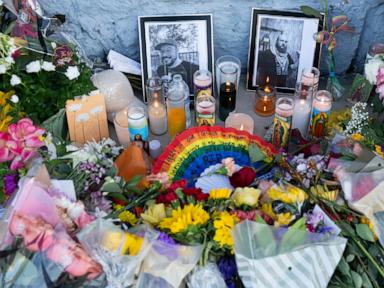
An inquest recently opened in Caernarfon into the tragic death of Sophie Goodyer-Bird. The 35-year-old nail technician from Birmingham was climbing Yr Wyddfa, formerly known as Snowdon, on July 10 alongside her friend Sophie Simpson. What started as a standard hike ended in heartbreak. Senior coroner for north west Wales, Kate Robertson, heard how Goodyer-Bird grew increasingly tired during the excursion. As they descended near the end of the route, she became unresponsive. Bystanders performed CPR, but she was sadly pronounced dead at 2.18pm. A pathologist provided a provisional cause of death: exertional heat stroke.
People assume high-altitude or hot-weather risks only apply to deserts or towering alpine ranges. That assumption kills. The UK's highest peak sits at 1,085 meters, yet even moderate climbs under underestimated conditions can push the human body past its absolute limit.
Why Exertional Heat Stroke Catches Hikers Off Guard
Exertional heat stroke isn't just about the temperature reading on your weather app. It happens when your body generates more heat than it can dissipate through physical exertion.
When you climb a mountain like Yr Wyddfa, you produce massive amounts of internal heat. If you combine steep inclines, direct sun exposure, and inadequate hydration, your body's cooling mechanisms fail. Core body temperature spikes rapidly above 40°C (104°F). Central nervous system dysfunction follows. Confusion sets in. Extreme fatigue takes over.
Many hikers mistake early symptoms for simple exhaustion or lack of fitness. They push through the tiredness. That delay proves fatal.
Recognizing the Warning Signs on the Trail
You have to spot trouble before it turns catastrophic. Watch out for these red flags:
- Sudden, overwhelming fatigue that feels out of proportion to the climb.
- Confusion, dizziness, or disorientation.
- Cessation of sweating, accompanied by hot, flushed, or dry skin.
- Nausea, vomiting, or a rapid, pounding pulse.
If you or someone in your group shows signs of cognitive impairment or extreme lethargy on a trail, stop immediately. Do not try to "tough it out" until the bottom.
Practical Steps to Stay Safe on UK Summits
Mountain weather changes fast, and physical exertion takes a heavy toll. Keep these rules in mind before you tackle any major peak:
- Hydrate aggressively before you start. Don't wait until you feel thirsty on the trail. Pack electrolytes, not just plain water, especially on warm days.
- Pace yourself ruthlessly. Scale back your speed when the weather warms up. Take frequent shaded breaks if possible.
- Turn back early. Reaching the summit doesn't matter if you don't make it down safely. If exhaustion hits hard on the way up, abandon the peak.
- Know the route logistics. Understand how long descents take. Many emergencies happen on the way down when energy reserves are fully depleted.
Check local mountain safety guidelines before you head out, and respect the mountain's power. Preparation saves lives.