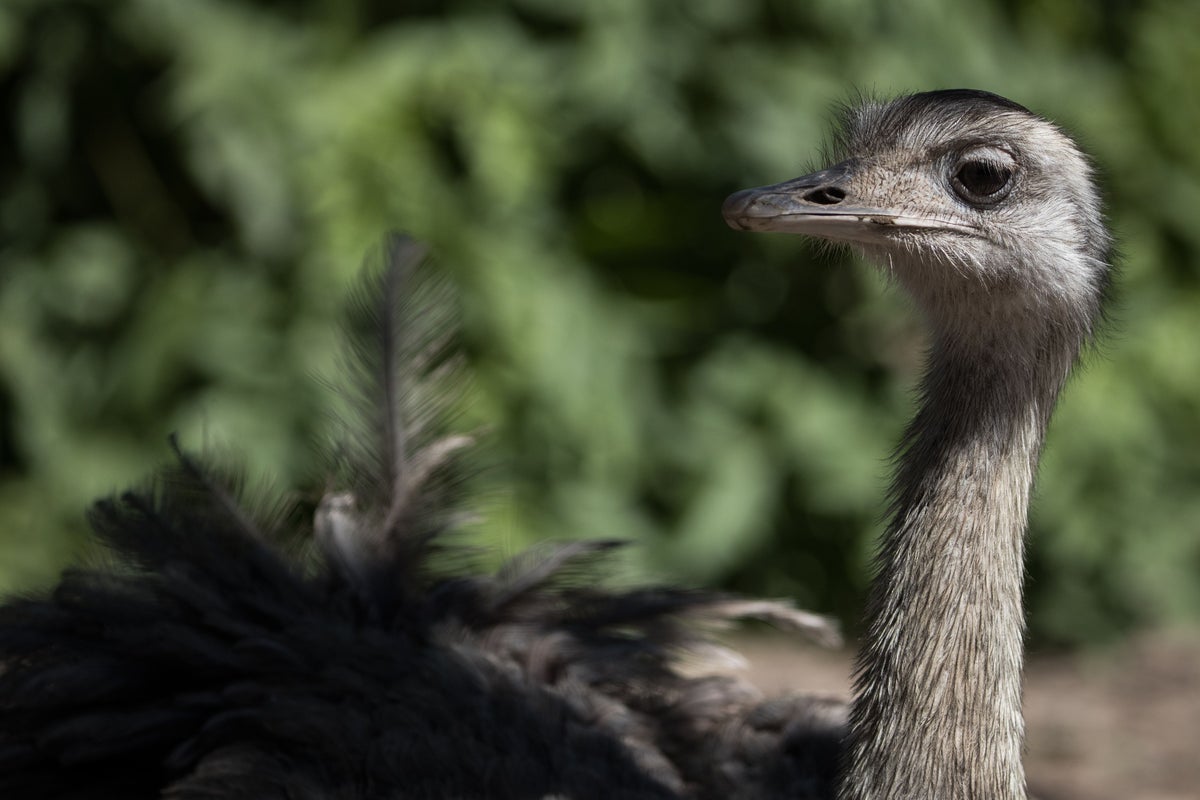
A quiet afternoon in McKeesport, Pennsylvania turned into a nightmare when a 160-pound pet emu ended up dead in the middle of Ravine Street.
The bird, a three-year-old female named Barb, had somehow slipped out of her enclosure. It was her first time ever getting out. Within minutes, two neighborhood pit bulls spotted the six-foot-tall bird and began a relentless pursuit. Cellphone video captured the desperate chase as the dogs hunted the massive bird down the asphalt.
By the time the bird's owners, David Callos and Carly Stroman, rushed to the scene, local police officers were already there. The damage was horrific. The dogs had torn open the emu's throat, forcing responding officers to humanely put the animal down to end her suffering.
This tragedy highlights a complex, frustrating legal gray zone that thousands of property owners face every year. When roaming dogs destroy valuable stock or exotic pets, who pays for the damage? How does the law handle neighbor disputes when dog owners deny responsibility?
The details behind the McKeesport attack shed light on how state laws handle dog containment, livestock destruction, and civil liability.
The Tragic Incident on Ravine Street
David Callos and Carly Stroman never expected their gentle bird to meet such a brutal end. Barb was six feet tall, weighed 160 pounds, and had spent three years living peacefully alongside her owners' other emus. She wasn't an aggressive bird. She had never broken free before.
When Callos and Stroman received a frantic phone call on a Tuesday afternoon warning that Barb was out and under attack, they raced to find her. They arrived too late.
The emu lay mortally wounded at the bottom of their property line on Ravine Street. McKeesport Police Department officers who responded to the initial dispatch had no choice but to euthanize Barb due to the severity of the throat wounds inflicted by the two attacking dogs.
"It was like a hunting," Callos told local news reporters while describing the footage recorded by witnesses.
The physical loss was heartbreaking. The aftermath brought a whole new layer of legal frustration.
The Neighborhood Friction and Denial of Ownership
Disputes between neighbors over loose animals happen every day across the country. What makes the McKeesport case particularly challenging is the response from the alleged dog owners.
Callos stated publicly that they had experienced ongoing issues with those same neighbors and dogs prior to the attack. Yet, when confronted after the fatal mauling, the neighbors outright denied owning the pit bulls involved in the attack and refused to speak with the emu's owners.
This reaction is surprisingly common in loose dog attacks. When an animal causes thousands of dollars in damage or kills another animal, dog owners often try to distance themselves to avoid criminal fines or civil lawsuits.
Proving ownership becomes the primary hurdle for victims and law enforcement in these situations. Local animal control officers, dog wardens, and police departments must gather concrete evidence like local licensing records, microchip data, witness statements, and video footage to officially tie loose dogs to a specific address.
Without official confirmation of ownership, holding anyone accountable becomes an uphill battle.
Legal Classification of Emus as Exotic Livestock
Many people view emus as exotic pets, but under agricultural and state laws, they occupy a specific legal category. In Pennsylvania and many other states, emus are legally classified as alternative livestock.
This distinction matters tremendously when it comes to legal remedies.
If a dog attacks a traditional house pet like a cat or another dog, civil courts generally view the victimized animal as personal property. The owner can usually only recover the monetary value of the animal, along with direct veterinary bills. Emotional distress damages for injured or killed pets are rarely awarded in most state jurisdictions.
When dogs kill livestock, however, state agricultural statutes often trigger stricter penalties.
In Pennsylvania, the Dog Law (3 P.S. § 459-101 et seq.) contains explicit provisions regarding domestic animals and livestock killed or injured by dogs. Under state law, livestock includes horses, cattle, swine, sheep, goats, and captive-bred ratites like emus and ostriches.
Under these laws, a dog owner whose animal attacks, kills, or wounds livestock can face serious consequences:
- Strict Civil Liability: The dog owner is financially responsible for the full market value of the destroyed livestock, plus veterinary fees and disposal expenses. Raising an emu from a chick to full adulthood involves significant costs in specialized feed, housing, and care. Adult breeding emus can easily cost thousands of dollars.
- State Compensation Funds: Some state dog law departments maintain funds to compensate livestock owners for losses caused by stray or unidentified dogs, provided proper reporting and investigation requirements are met.
- Dangerous Dog Designation: A dog that attacks or kills domestic livestock without provocation can be formally classified as a dangerous dog by the state dog warden or local court system. This designation requires the owner to pay extra licensing fees, maintain high-value liability insurance policies, build secure enclosures, and keep the animal muzzled and leashed whenever it leaves the property.
- Mandatory Confinement or Euthanasia Orders: If a dog displays a pattern of dangerous behavior or commits an unprovoked lethal attack on livestock, courts can order the animal destroyed to protect public safety and surrounding farm stock.
Dog Owner Liability and State Leash Laws
Pennsylvania maintains strict leash laws. Section 305 of the Pennsylvania Dog Law explicitly requires dog owners to keep their animals confined within the boundaries of their property or secured on a leash at all times.
Allowing a dog to run at large is a summary offense in Pennsylvania. When a dog runs loose and injures a person, pet, or livestock, the owner's failure to contain the animal constitutes negligence per se in a court of law.
What happens when both animals are off property?
In the McKeesport incident, Barb had slipped out of her pen, and the neighbor's dogs were also loose on Ravine Street. Does an escaped livestock animal lose its legal protections if it strays onto a public street?
The simple answer is no. An escaped animal does not give free rein for free-roaming dogs to attack it.
While the emu's owners had a duty to maintain secure fencing, the primary cause of the bird's death was the unprovoked violent attack by dogs that were unlawfully running at large. Civil courts examine proximate cause. An escaped bird standing on a public street is a nuisance or code issue; a dog actively hunting and mauling an animal on a public street is an immediate hazard and a direct violation of state safety statutes.
The Role of Breed and Animal Behavior
Public reaction to incidents involving pit bulls often devolves into heated debate over specific dog breeds.
Organizations like the ASPCA emphasize that individual behavior depends heavily on training, socialization, supervision, and genetics rather than breed labels alone. All large dog breeds possess natural predatory drives. When loose dogs form a pack, even two dogs together, their prey drive can escalate rapidly.
A running, unfamiliar creature like a six-foot bird naturally triggers intense pursuit instincts in dogs that lack proper containment and training.
From a legal standpoint, courts generally focus on owner control rather than dog breed. The law looks at three basic questions:
- Did the dog owner fail to secure their animal according to local statutes?
- Did the loose dog cause proven damage or death to another person or animal?
- What is the monetary and physical extent of the damage caused?
When these answers show negligence, the owner of the attacking dogs bears full responsibility, regardless of what breed is listed on the dog's veterinary paperwork.
What To Do If Neighboring Dogs Attack Your Property or Animals
If you keep livestock, exotic animals, or traditional pets, loose neighborhood dogs pose a constant hazard. Taking immediate, structured steps after an incident can protect your rights and ensure legal accountability.
Secure the Scene and Document Everything
Take photos and video immediately. Capture the location, damage to property, fence lines, and any injuries sustained by your animals. If witnesses filmed the event on their phones, request copies right away. Cellphone video like the clip shared in the McKeesport attack serves as crucial evidence for law enforcement and insurance claims.
File Official Reports Immediately
Contact local police and your regional state dog warden or animal control agency. Do not rely on informal agreements with neighbors. An official police report creates a paper trail establishing dates, times, animal descriptions, and officer observations.
Retain Veterinary and Valuation Records
Obtain itemized bills for all emergency veterinary care, medical procedures, or humane disposal expenses. Gather purchase receipts, breeding documentation, or expert appraisal values for lost livestock or specialized animals.
Issue a Formal Notice to the Dog Owner
If you know who owns the attacking dogs, send a written letter via certified mail detailing the incident, attaching official police report numbers, and requesting compensation for your documented financial losses. This establishes clear notice if you need to proceed to civil court.
Explore Civil Court Options
If the dog owner refuses to pay or denies ownership, file a claim in local small claims court or magistrate court. For high-value livestock or extensive property damage, consult a civil litigation attorney who handles agricultural or animal law disputes.
Practical Steps to Prevent Animal Escapes and Attacks
Preventing tragic encounters on your property requires proactive defense, strong physical barriers, and clear communication.
- Upgrade Perimeter Fencing: Emus are powerful runners capable of reaching high speeds. Use heavy-gauge woven wire fencing at least six feet high, anchored firmly to the ground to prevent both escapes and predator intrusion.
- Install Security Cameras: Position motion-activated cameras along property lines, gates, and outer barn walls. Video footage provides indisputable proof of roaming dogs and fence breaches.
- Check Enclosure Latches Daily: Secure all gates with self-latching hardware and secondary carabiners or padlocks that loose animals or high winds cannot dislodge.
- Know Your Local Dog Warden: Find the direct contact number for your county or state dog warden before an emergency happens. Wardens have specific statutory authority to inspect properties and issue citations for loose animals.
- Document Prior Incident Warnings: If neighbor dogs repeatedly roam near your fence, document every date and notify animal control in writing long before a fatal attack occurs.
Protecting your animals requires vigilance, sturdy physical barriers, and an accurate understanding of local containment laws. When irresponsible dog ownership leads to destruction, leveraging state dog laws and formal legal channels is the most effective way to secure justice and hold negligent owners accountable.