Seventy years in the exact same apartment. That is a lifetime by any measure. For 87-year-old María del Carmen Abascal, known simply as Maricarmen, those walls held decades of memories until a stretcher carried her out into the cold glare of a national scandal. Her death in a hospital has now thrown Spain's severe housing emergency into sharp, painful relief.
When you force an octogenarian out of her home on a stretcher, people notice. They get angry. They take to the streets. And that is precisely what happened across Spain, turning a local housing dispute into a political tipping point.
The Eviction That Sparked a Movement
Maricarmen's ordeal began when she was physically removed from her apartment. She had lived in that residence for seven decades, building a life and a routine that vanished in a single afternoon. Images of her removal spread fast. Public outrage ignited instantly.
Tens of thousands of citizens flooded public squares, pitching tents and demanding immediate structural protections for renters. Rent control and affordable housing have been burning issues in Spain for years, but Maricarmen's case put a human face on the statistics. It showed the raw vulnerability of long-term tenants facing predatory real estate pressures and outdated legal loopholes.
Prime Minister Pedro Sánchez took to social media to offer his condolences after news of her passing broke, expressing solidarity with her family. Yet, condolences arrive too late to save an 87-year-old woman whose health fractured under the stress of losing her home.
Too Little, Too Late from Authorities
A housing agreement had actually been reached. The company owning the property eventually struck a deal that would have allowed Maricarmen to return to her apartment once she was discharged from the hospital.
She never got that chance.
The Madrid Tenant's Union pointed out the bitter truth in their statement following her death. They noted that while a historic agreement was secured to bring her home, the solution arrived far too late. It was a completely avoidable tragedy born from a harrowing ordeal.
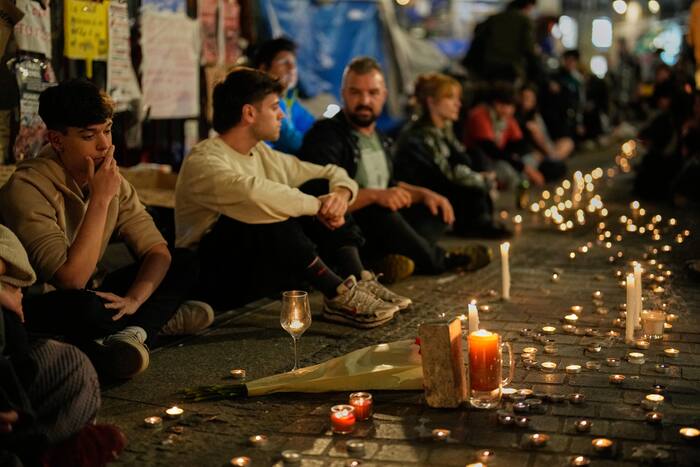
Protesters camped out in Madrid's Sol square observed a solemn minute of silence upon hearing she had passed. They know her case is not an isolated incident. Across Barcelona, Madrid, and other major Spanish urban centers, soaring rents and short-term tourist rentals are pushing elderly residents and low-income families out onto the pavement.
What Spain Must Do Next
The political fallout is already mounting. Prime Minister Sánchez has faced immense pressure, with the housing crisis even pushing calls for early elections after broader legislative efforts stalled. But changing political leadership won't fix structural market failures on its own.
Protecting vulnerable tenants requires concrete action. Spain needs strict, enforceable caps on rental price hikes, stronger legal shields for elderly residents who signed old-form rental contracts, and a massive expansion of public housing inventory. Without these measures, more families will face the same cruel displacement that broke Maricarmen's final days.
The tents in the public squares may eventually come down, but the anger driving them won't fade quietly. If lawmakers want to honor Maricarmen's memory, they need to stop offering empty condolences and start fixing a broken housing market before the next eviction notice ruins another life.