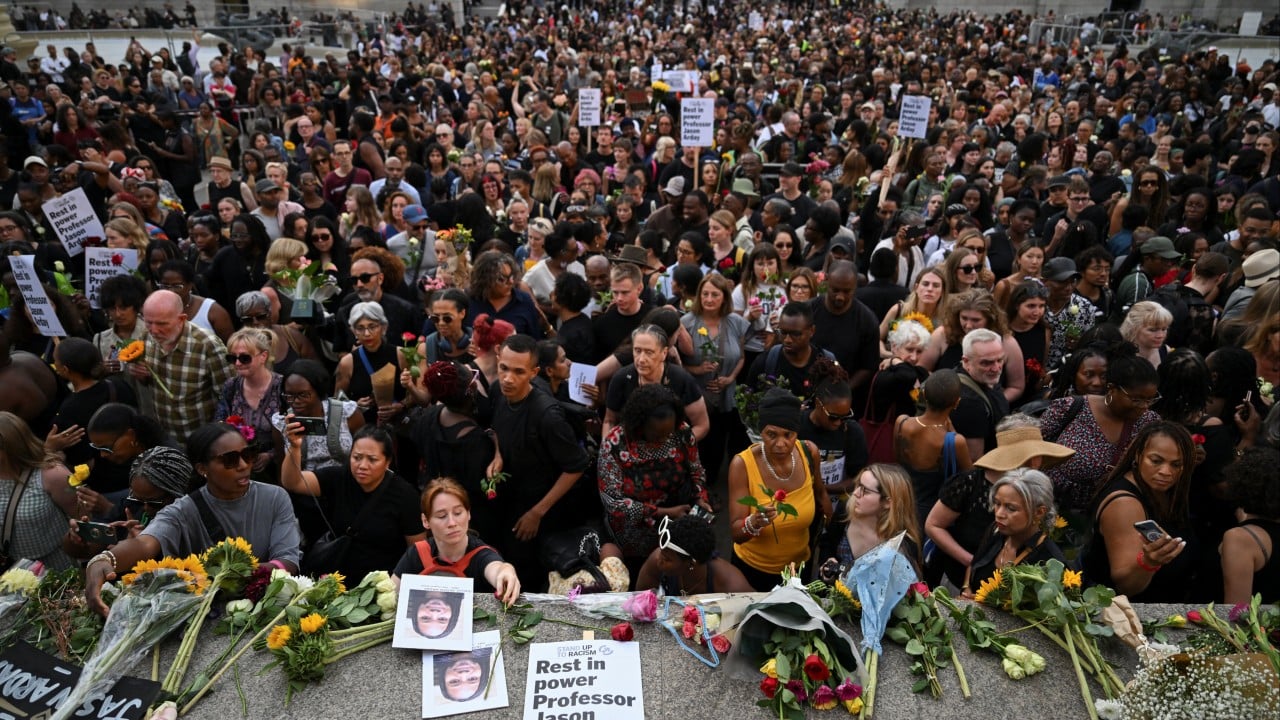
The sight of 30,000 people standing in silence at Trafalgar Square tells you everything you need to know about the impact Jason Arday had on the world. They weren't just mourning a former Cambridge professor. They were mourning the loss of a man who fought systemic barriers only to be broken by a relentless, public campaign of harassment.
Jason Arday, the University of Cambridge’s youngest-ever Black professor, was found dead at his home on August 14, 2026. He was only 41. His passing came just days after he resigned from his post, citing the unbearable pressure of accusations regarding his academic work.
The Reality Behind The Headlines
If you've been following the news, you know about the plagiarism allegations. You’ve seen the reports about his thesis and the scrutiny of his CV. But here is the part that often gets buried in the fine print: Arday didn’t just deal with "scholarly disagreement." He faced what his family and supporters describe as a three-year, sustained campaign of abuse.
As a researcher and academic who has watched the evolution of diversity efforts in higher education, I’ve seen this script before. Academics from marginalized backgrounds are often subjected to a different tier of scrutiny. When Arday was appointed in 2023, he was a beacon of hope for many. He was a man who overcame significant developmental hurdles—diagnosed with autism and global developmental delay as a child—to reach the pinnacle of academia.
When you look at the evidence, you see a person who felt he had no choice but to walk away. In his resignation letter, he didn't apologize for his work. He explicitly stated that he had reached the limits of what any person should be expected to endure. He wasn't retreating from the truth; he was protecting his life.
Why The Public Outcry Matters
The massive vigil in London wasn't a random event. It was a visceral reaction to the feeling that Arday was hounded. Many in the crowd held signs reading "Rest in Power." Others carried flowers to lay beneath Nelson's Column.
Prominent figures, including MP Diane Abbott and various academic mentors, were present. They weren't there to debate the nuances of citation styles. They were there because they saw a brilliant, vulnerable man systematically stripped of his dignity.
We need to address the "racist feeding frenzy" that Cambridge’s own leadership eventually acknowledged. It’s a common mistake to view these controversies as purely academic. They often have real-world consequences for the mental health of the individual involved. When institutions fail to provide a robust duty of care, we lose more than just a professor. We lose a voice that fought to open doors for others.
The Questions We Must Ask
The calls for a public inquiry aren't just reactionary. They are necessary. People are asking:
- Why did the scrutiny of an autistic academic escalate so rapidly?
- How do universities balance the need for academic integrity with their duty of care toward vulnerable staff?
- Why did the media coverage feel less like a search for truth and more like a hunt?
The reality is that we don't have all the answers yet. What we do have is a tragedy that should serve as a wake-up call for every institution in the country. If academia is supposed to be the place where we exchange ideas and foster growth, then it has failed miserably when it allows individuals to be destroyed by public shaming.
What Needs To Happen Now
We cannot fix this by simply offering platitudes about mental health. Here is what needs to change:
- Accountability for Institutions: Universities need to establish clear, protective protocols for academics facing public firestorms. If a university defends an appointment, they must stick to their word or provide transparent, fair procedures that don't involve throwing the individual to the wolves.
- Media Responsibility: The relentless nature of the coverage surrounding Arday raises serious questions about how journalists approach accusations against minority academics. We need to be more critical of the "sources" and the narratives being pushed.
- True Support for Marginalized Scholars: It’s not enough to hire for diversity. You have to ensure that those hires are protected once they arrive. Arday’s work in mentoring students from underrepresented backgrounds was profound. We need to honor that legacy by actually supporting the next generation of scholars who walk through the doors he held open.
Jason Arday’s family has requested time and space to grieve. They have also been clear about their wish: they want the harassment to stop. Kindness in life is the only thing that truly counts. If you’re genuinely concerned about the state of academia, start by demanding more transparency from the institutions that claim to value equity but fail to protect the people who make it possible.
The story didn't end with his resignation. It ended with his death. That is a weight we all carry now. Don’t let this moment pass without looking at the structures that allowed it to happen.