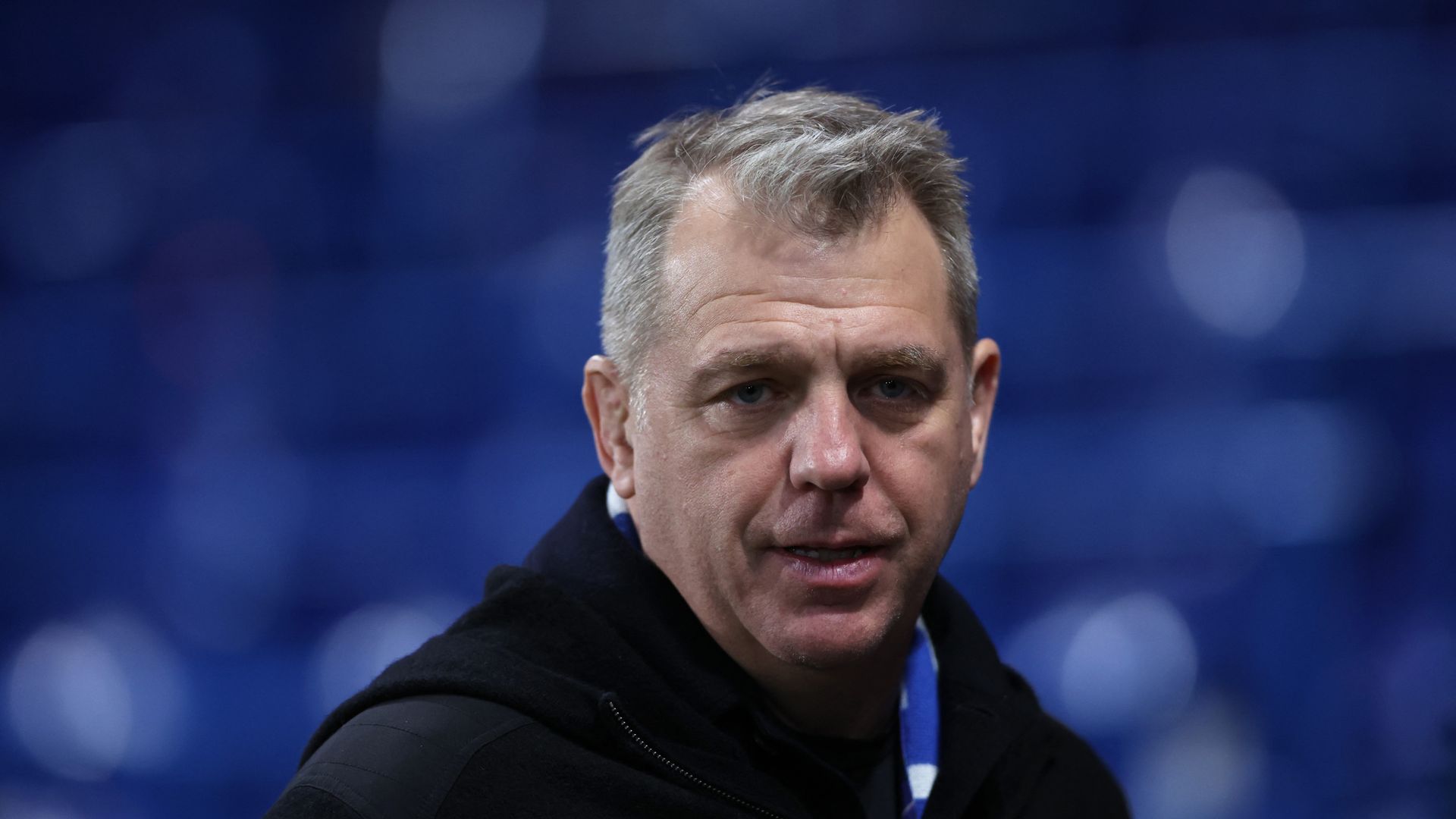
Todd Boehly is officially out at Stamford Bridge, and honestly, nobody who has watched this ownership experiment closely should be surprised.
On Wednesday, Boehly and fellow co-owner Mark Walter sold their respective stakes to majority owner Clearlake Capital. Clearlake now holds full control of Chelsea Football Club. Boehly vacates the chairman role he held since the chaotic 2022 takeover from Roman Abramovich.
If you've followed modern football business for more than five minutes, you know that private equity and high-profile American sports executives rarely share a long-term vision. Disagreements over stadium development plans at Stamford Bridge and the general operational direction of the club created friction that proved impossible to ignore. When you value a football club at $5 billion and billions more have been pumped into a frantic transfer market, egos clash. Clearlake bought out the minority shares, paying out massive returns for Boehly and Walter, while Swiss philanthropist Hansjörg Wyss remains in the mix.
What This Means for Chelsea Right Now
Let's cut through the corporate PR statements. Chelsea's leadership insists day-to-day operations won't skip a beat. Behdad Eghbali and José E. Feliciano of Clearlake now steer the ship completely unhindered.
For the fans, the constant whiplash of public boardroom battles can finally stop. Boehly was the energetic, media-facing frontman during that dizzying initial spending spree that saw over £1 billion poured into squad remodeling. He welcomed players, sat in the directors' box, and soaked up the scrutiny. But football clubs aren't baseball franchises. You can't treat the Premier League like an off-season draft.
With Xabi Alonso in the managerial hot seat and the team sitting sixth in the Premier League standings after a summer that included record-breaking moves like signing Morgan Rogers, stability is desperately needed.
The Financial Reality of the Buyout
The numbers behind this exit are staggering. Boehly and Walter each held roughly 12.8% of the club. Their combined exit, alongside the valuation framework hitting $5 billion, yields a massive financial windfall. Mark Walter is clearly restructuring his sports portfolio anyway, having recently sold the Los Angeles Lakers for a mind-boggling $12.5 billion.
Yet, the core question remains. Did Boehly's chaotic, scattershot approach to squad building leave a lasting positive legacy, or did it just inflate player amortization schedules to insane lengths? History will likely judge the early spending era as an expensive transition phase.
You cannot spend a fortune on unproven potential and expect instant domestic dominance. Football rewards cohesion, tactical identity, and institutional patience—traits that are difficult to forge when private equity firms and billionaire investors are publicly bumping heads over property development and sporting strategy.
Looking Ahead Under Clearlake
Now that Clearlake has absolute authority, the gray areas are gone. There is no shared boardroom tension between differing American ownership factions. Accountability lands squarely on Eghbali and Feliciano.
If Chelsea struggles to secure Champions League football or if the Stamford Bridge redevelopment stalls again, fans won't have Boehly to blame or praise anymore. The training ground is quiet, the transfer window has slammed shut, and the corporate structure is streamlined.
Take a breath, Stamford Bridge. The civil war at the top is over. Now comes the hard part of actually winning matches on the pitch.