When a man slipped past security guards at 30 Rockefeller Center in New York City, made his way onto the live set of NBC’s Today show, and began screaming racial slurs at co-anchor Craig Melvin, headlines predictably blew up. Network security lapses make for sensational news. High-profile TV anchors facing immediate danger inside their own locked-down workplace grabs eyeballs instantly.
The intruder, 41-year-old Andrew Truelove, was quickly tackled, arrested by NYPD officers, and charged with burglary and menacing as a hate crime. Case closed, right?
Not even close.
Focusing purely on the high-profile celebrity scare misses the systemic tragedy underneath. Truelove isn't just an intruder who targeted a TV studio. He is a stark symptom of a broken national mental healthcare infrastructure—a man who spent two decades drifting across state lines, cycling through psychiatric wards, county jails, and homeless encampments from Southern California to New York subway tunnels.
Understanding how an unhoused man from Torrance, California ended up on a national television set yelling at Craig Melvin requires looking beyond standard crime reporting.
From Torrance Streets to 30 Rock: A Timeline of Unchecked Mental Illness
Andrew Truelove didn't simply snap out of nowhere in July 2026. His trajectory was charted over twenty painful years of visible, public deterioration.
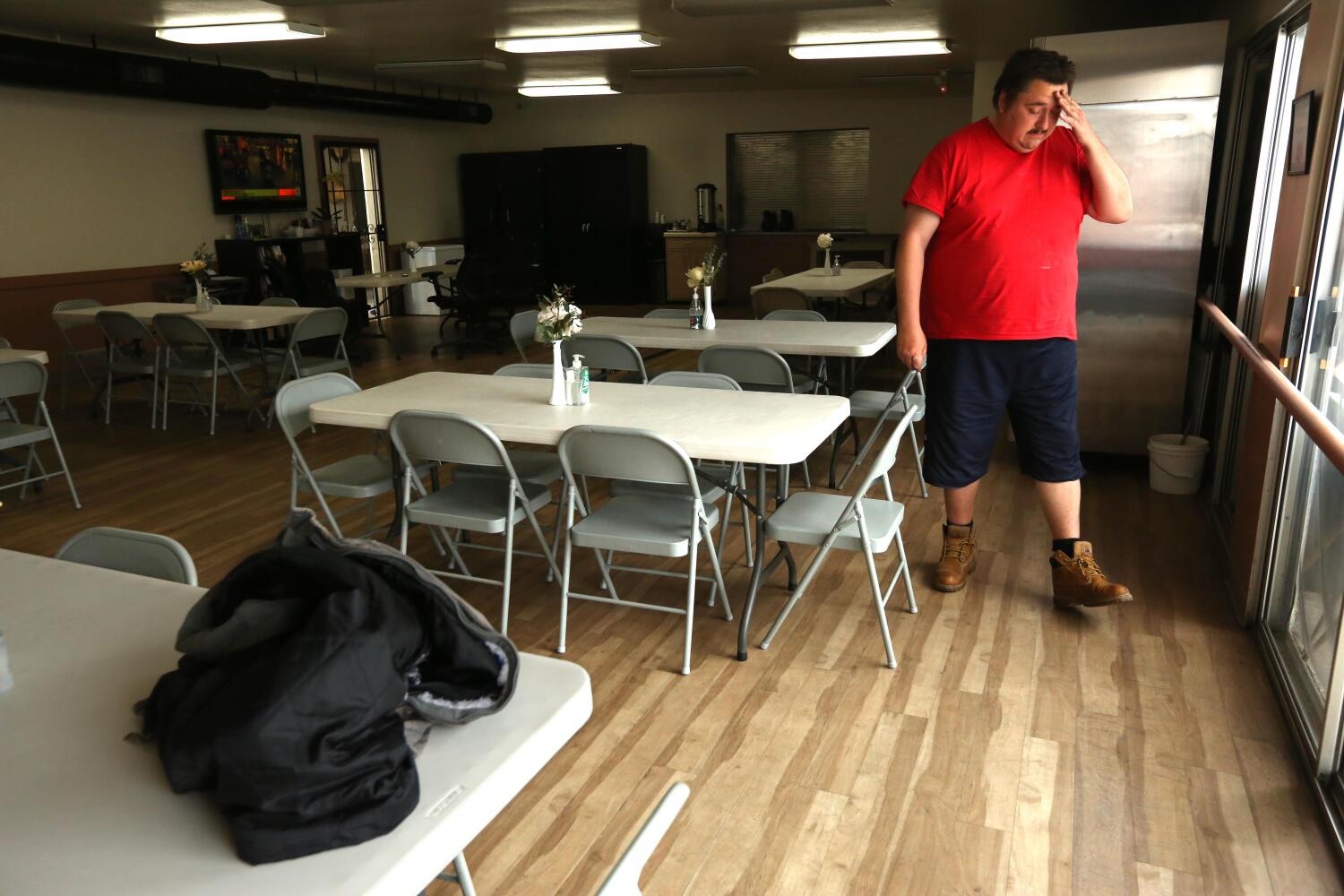
Long before his arrest in Midtown Manhattan, Truelove was known to local law enforcement, mental health advocates, and local journalists in Southern California. In 2023, he was the subject of a deep profile detailing his daily survival on the streets of Torrance, California. Back then, outreach workers attempted to help him navigate the labyrinthine application process for basic food stamps, emergency housing, and state-backed healthcare.
The safety net failed at every turn.
His prior criminal record reflects a deeply disturbed individual acting out in public spaces. Truelove had previously been arrested for stealing signs from a memorial honoring young victims of the Sandy Hook Elementary School shooting, as well as grabbing a child outside a school grounds. These weren't calculated master crimes; they were clear calls for intensive psychiatric intervention that never materialized in a permanent, meaningful way.
Instead of receiving long-term psychiatric treatment, Truelove fell into the predictable "catch-and-release" cycle that dominates American urban centers:
- Short-term custody: Arrested for public disturbances or minor felonies.
- Involuntary holds: Held briefly under state psychiatric evaluation (such as California's 5150 hold).
- Release to the streets: Discharged back onto the sidewalk without structured outpatient care or supervised medication management.
- Interstate migration: Moving from city to city as conditions deteriorate further.
By early 2026, Truelove had migrated east, abandoning the streets of Los Angeles County for the subterranean dark of New York City's subway tunnels. Family members reported that he intentionally slept in train tunnels because he felt safer underground than on open city streets—a classic indicator of severe paranoia and untreated psychosis.
What Really Happened on the Today Show Set
On Thursday morning, July 16, 2026, around 9:00 a.m. ET, the live broadcast of the Today show had just concluded. studio workers, technical crew, and anchors were winding down inside the famous Studio 1A at Rockefeller Center.
Truelove managed to bypass external perimeter barriers, slip through a secured side entry, and gain access to the main floor. According to law enforcement reports, he originally pushed onto the set demanding to see weather anchor Al Roker. When Roker wasn't immediately visible, Truelove aggressively lunged toward co-host Craig Melvin.
He shouted racial slurs directly at Melvin before studio security and responding officers from the NYPD's Midtown North Precinct tackled him.
"NBC and TODAY take the safety and security of our employees, talent, staff and guests extremely seriously. We are reviewing the incident and our security protocols."
— Official Statement from NBC News
Melvin posted a brief message to social media shortly after, confirming he was unharmed. By the next morning, he was back in his anchor chair, praising studio staff and first responders for handling the situation swiftly.
While the physical situation was resolved in minutes without physical injuries, the broader implications remain staggering.
The Illusions of Urban Security and the Reality of Transplants
How does a man living in subway tunnels walk into one of the most heavily guarded corporate media centers in the world?
Rockefeller Center sits in the heart of Manhattan, covered by private security personnel, private contractors, and heavy NYPD presence. Yet, standard security infrastructure is built to deter calculated threats—thieves, paparazzi, or organized intruders. It often struggles against individuals experiencing acute, severe psychosis who operate without self-preservation instincts or logical fear of arrest.
When a person with severe mental illness is determined to push through a doorway, standard physical perimeter checks can fail in seconds.
More importantly, Truelove’s cross-country journey exposes the massive flaw in how major American cities handle unhoused individuals with severe mental health issues. Los Angeles couldn't keep him housed or hospitalized. New York couldn't track him once he disappeared into the transit system.
We don't have a cohesive national system for severe psychiatric care. We have a patchwork of municipal shelters, county jails, and overcrowded emergency rooms that constantly pass the responsibility to someone else.
Hate Crime vs. Severe Psychosis: The Legal Dilemma
The Manhattan District Attorney's office charged Truelove with burglary as a hate crime and menacing as a hate crime due to the explicit racial slurs used during the incident.
This legal classification raises complex questions that courts struggle with every single day:
- Intent vs. Delusion: Hate crime enhancements require proving specific discriminatory intent behind an action. When an offender is actively experiencing severe, unmedicated psychosis, determining legal intent becomes extremely difficult.
- The Criminalization of Illness: Placing individuals with profound psychiatric disorders into state penitentiaries rather than secure, long-term psychiatric institutions rarely resolves the root problem.
- Public Safety Imperatives: Society requires protection from dangerous, violent outbursts in public spaces regardless of the perpetrator's mental state.
Truelove's case is far from unique. Across major metropolitan areas, public safety incidents involving unhoused individuals often bridge the line between criminal behavior and psychiatric emergencies. When the mental health system abdicates its responsibility, the criminal justice system becomes the default provider of last resort—at an enormous cost to taxpayers and public safety.
Actionable Takeaways for Urban Safety and Policy
Solving this problem requires more than increasing security guards outside television studios. It requires addressing the systemic gaps that allow individuals like Andrew Truelove to slip through every safety net until a crisis occurs.
What Needs to Change Immediately
- Streamline Assisted Outpatient Treatment (AOT): States must expand court-ordered outpatient treatment programs (like Laura's Law in California and Kendra's Law in New York) to ensure individuals with a history of violent psychosis are mandated to receive continuous care and medication monitoring.
- Interstate Data Sharing for Psychiatric Care: Mental health networks must be able to track patient records across state lines, ensuring that when an unhoused individual moves from California to New York, their medical history and treatment plans follow them.
- Re-evaluating Facility-Based Involuntary Care: Short 72-hour psychiatric holds are insufficient for chronic conditions. States need expanded infrastructure for long-term supportive psychiatric beds rather than relying on municipal jails.
- Proactive Perimeter Audits for High-Profile Hubs: Venue operators in high-density urban environments must update access protocols to account for erratic, unpredictable breaches rather than relying solely on traditional access-card checkpoints.
The incident at Rockefeller Center wasn't just a scary morning for Craig Melvin and the Today show crew. It was a loud, unvarnished look at a national mental health system that continues to fail those who need it most, long before they make national headlines.