On a humid Monday afternoon in late August 2026, the heart of Manhattan turned into a zone of absolute chaos. A 49-year-old Queens resident named Pamela Cisneros pulled two large kitchen knives from a red shopping bag on Seventh Avenue. Within twenty terrifying seconds, she targeted two strangers in random, unprovoked violence. One victim, a 32-year-old Bank of America vice president named Erin Piacenti, lost her life. A 68-year-old man survived with critical injuries.
When the dust settled at Bellevue Hospital, where both the attacker and Piacenti were pronounced dead after police fired upon Cisneros, New York City was left scrambling for answers. If you are wondering how a violent tragedy can unfold in broad daylight near a heavily policed tourist hub, you are not alone. The incident has reignited fierce debates over public safety, the limits of street-level policing, and a mental health system that continues to fail vulnerable people before they turn dangerous.
Inside the Fatal Four Minute Confrontation
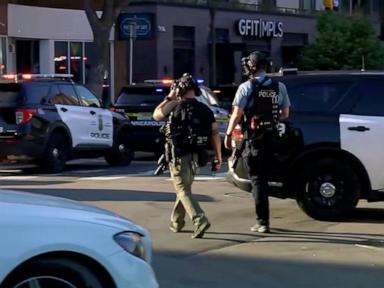
The sequence of events on August 31, 2026, moved at a dizzying pace, yet the final standoff unfolded over agonizing minutes. Police Commissioner Jessica Tisch detailed how officers located Cisneros on the sidewalk between West 42nd and West 43rd Streets shortly after 4:26 p.m. She stood holding a knife in each hand, showing zero intention of backing down.
Officers spent roughly four minutes trying to talk her down. They pleaded with her to drop the weapons. Cisneros refused, shouting directly at the officers that she would rather kill both of them than surrender.
When verbal de-escalation failed, police deployed stun guns. Multiple officers fired Tasers, but the devices failed to incapacitate her. Body-worn camera footage later captured what happened next: Cisneros advanced aggressively toward the officers, waving the knives. Two officers discharged their service weapons, striking her.
Family members later questioned the police response, asking why officers couldn't physically overpower her instead of opening fire. But tactical realities in close-quarters knife attacks are brutal. A person armed with two blades can cover short distances faster than an officer can react, making physical restraint a high-risk gamble against an unyielding assailant.
The Mental Health Crisis Nobody Wants to Fix
You can't discuss this tragedy without looking at the perpetrator's background. Police confirmed that Cisneros had a documented mental health history with the NYPD, including troubling interactions in 2018 and 2019. Despite these red flags, she had no prior arrest record. Her family expressed shock, noting she had never exhibited violent tendencies in the past.
This profile highlights a recurring, deeply frustrating pattern across urban centers. People suffering from severe psychological breakdowns slip through the cracks of a fragmented social safety net until they commit an irreversible act. Hospitalizations and brief psychiatric interventions often function as temporary holding pens rather than long-term treatments. Once individuals are released back into the community without robust support systems, the cycle repeats.
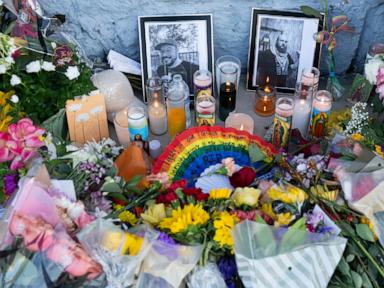
When severe mental illness collides with public spaces, everyday citizens pay the price. Erin Piacenti was simply living her life, walking through one of the busiest intersections in the world, when an unmanaged crisis ended it.
The Scrutiny Facing the System
Following the shooting, the New York Attorney General’s Office of Special Investigation launched a formal inquiry, standard protocol whenever a civilian dies during a police encounter under New York State Executive Law Section 70-b. Investigators are reviewing body-worn camera footage, witness accounts, and police radio transmissions to evaluate whether protocols were strictly followed.
Meanwhile, city leadership faced tough questions. Mayor Zohran Mamdani publicly thanked responding officers for stepping in to prevent further bloodshed, noting that the presence of an NYPD substation nearby allowed for an immediate response. Yet, praising the response time does little to address why the system allowed Cisneros to reach that breaking point in the first place.
When you look past the headlines of the Times Square attack, the core issue is clear. New York City remains stuck dealing with the symptoms of a mental health crisis while the root causes remain completely unaddressed. Until officials build proactive infrastructure to treat severe psychological distress before it manifests on crowded sidewalks, tragic headlines like this will keep repeating. Keep your eyes on the upcoming findings from the Attorney General’s investigation, but don't expect easy legislative fixes anytime soon.