Desperation rarely looks polite. Sometimes, it demands a fire.
When 52-year-old Tibetan activist Lobga Rangzen walked up to the United Nations headquarters in Manhattan, planted a Tibetan flag, and streamed his final moments before self-immolating, he forced a quiet tragedy into the glaring lights of global media. Most local news outlets barely blinked that night, distracted by entertainment headlines and summer traffic. But inside the global Tibetan diaspora, the shockwaves changed everything.
People want to know why a man living in New York would take his own life in such a brutal manner. The answer sits squarely at the intersection of a lifetime of exile and a newly implemented piece of legislation thousands of miles away.
Understanding the Spark Behind the Tragedy
To grasp why Rangzen took this fatal step, you have to look at the timing. His protest unfolded just as Beijing officially rolled out its sweeping "Ethnic Unity Law".
This statute isn't just bureaucratic red tape. Human rights groups and international monitors have labeled it an aggressive mechanism for forced assimilation. It targets minority populations—including Tibetans and Uyghurs—by enforcing a rigid, state-mandated national identity. It requires Mandarin instruction across compulsory education and criminalizes anything Beijing deems a threat to collective unity.
For exiled communities, this law signals an existential threat. It gives the central government legal justification to extend its reach far beyond its geographic borders, tracking and punishing dissidents globally. Rangzen, who led the New York and New Jersey chapter of the Tibetan National Congress, saw this legal shift as a death warrant for his culture's identity.
The History of Self-Immolation as Political Protest
Self-immolation is a horrific form of protest. It is also a deeply rooted, desperate method of last resort within the Tibetan freedom movement.
Since 2009, more than 150 Tibetans—mostly inside China, but occasionally in neighboring nations like India and Nepal—have set themselves on fire to protest Beijing's grip on the region. Monks, nomads, farmers, and now a diaspora Uber driver have turned their bodies into political statements.
Critics often ask why individuals choose such an extreme path. When peaceful demonstrations stall, when international bodies issue toothless statements of concern, and when a culture faces systematic erasure, some individuals feel they have zero voice left. Rangzen's act marked a rare instance of this form of protest happening directly on United States soil, bringing the harsh realities of Tibetan oppression straight to the doorstep of international diplomacy.
What Happens Next for the Movement
Tragedy breeds grief, but it also sparks resolve.
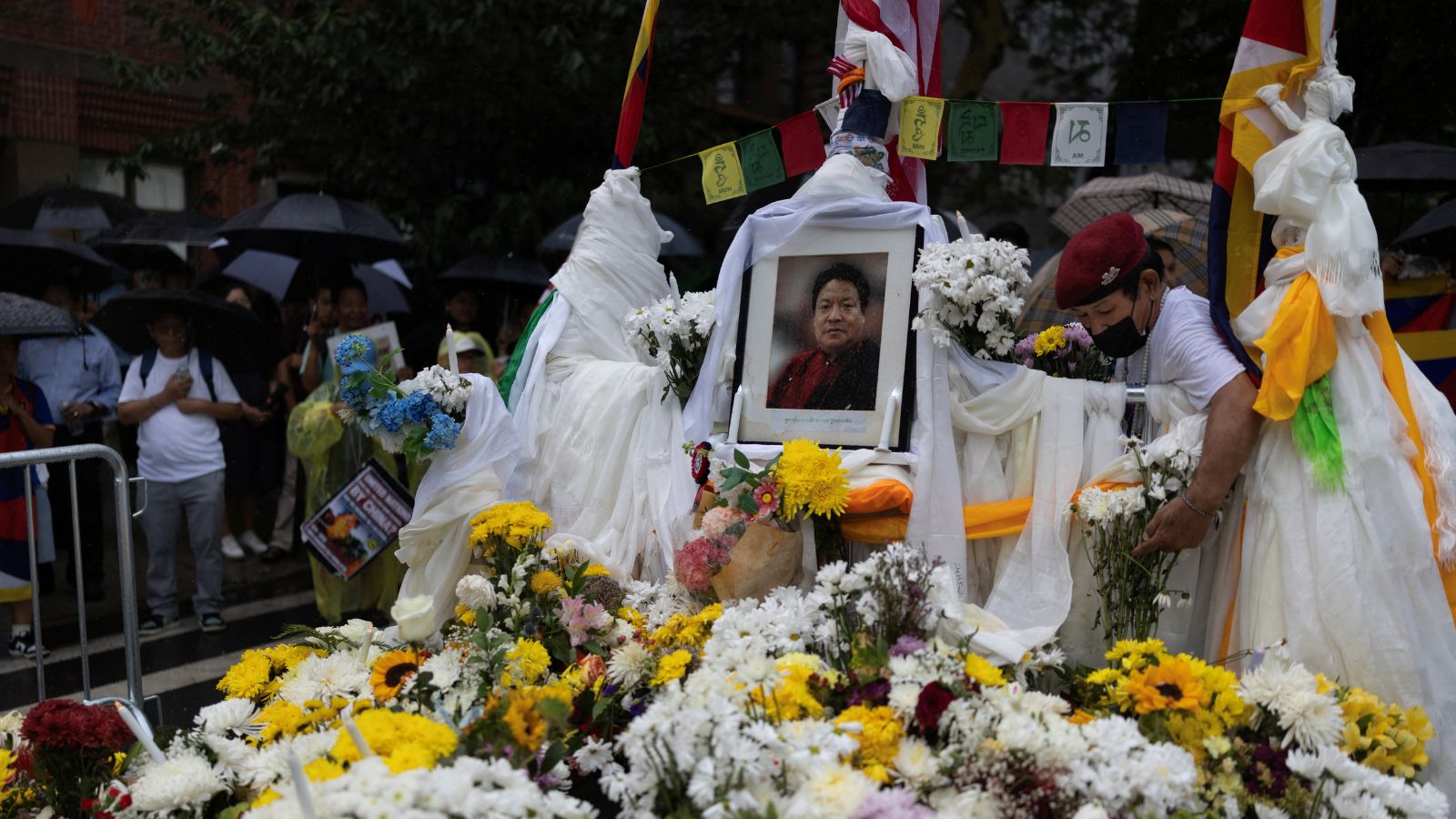
Following Rangzen's death at Bellevue Hospital, makeshift shrines filled with white khata scarves and flowers appeared outside the UN. Vigils in Times Square drew local lawmakers and passionate supporters. Yet, the Tibetan government-in-exile faces a delicate balancing act. While leaders express deep respect for Rangzen's fierce devotion, they consistently urge community members to preserve their lives, emphasizing that surviving and sustaining the long-term cultural struggle matters more than self-destruction.
The real challenge now falls on international leaders. The United States and the European Union have voiced concern over the Ethnic Unity Law, but concern rarely stops aggressive state policies.
If you want to support human rights awareness, start by paying attention to how major geopolitical policies impact indigenous minorities worldwide. Educate yourself on transnational repression, follow independent human rights monitors like the International Campaign for Tibet, and refuse to let sweeping cultural erasure happen in the dark.
China Out of Tibet? Activist's Fatal UN Protest Sparks Global Outcry Over Beijing's New Law
This video report breaks down the immediate international reactions and the core elements of the Beijing legislation that triggered the protest outside the United Nations.
http://googleusercontent.com/youtube_content/1