Tragedy struck a major Georgia amusement park when a visitor died following a horrifying incident on a high-speed roller coaster. This recent accident highlights an uncomfortable reality about modern amusement parks: mechanical thrills carry severe risks, and passenger safety standards remain under intense public scrutiny.
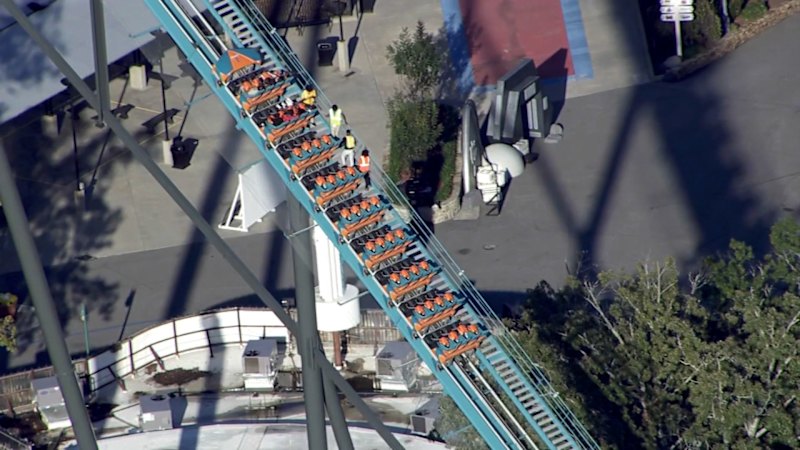
The incident unfolded on the Goliath roller coaster at Six Flags Over Georgia, located just outside Atlanta. Cobb County police and major crime detectives stepped in immediately to determine how a patron lost their life while experiencing a ride designed to hurl passengers through razor-sharp turns at speeds hitting 110 kilometers per hour. Witnesses on site reported a terrifying scene, detailing how the victim fell from the car while the ride was in motion, colliding with parts of the structure before hitting the ground. For another view, see: this related article.
The Mounting Safety Crisis in Major Theme Parks
Accidents on extreme rides are rare, but their impact leaves lasting scars on the industry. When things go wrong on mega-coasters, the consequences are catastrophic. This event isn't an isolated anomaly. It arrives amid a growing wave of lawsuits and safety controversies plaguing large amusement operators across the United States.
Consider what's happening elsewhere in the sector. Just last month, operators at Six Flags Magic Mountain in California retired their famous X2 coaster amid active litigation alleging severe brain injuries caused by the ride's intense motion. Settlements and wrongful-death claims continue to dog major park chains, forcing corporate leadership to answer tough questions about structural fatigue, passenger restraint mechanisms, and corporate liability. Further insight on this matter has been provided by NBC News.
Understanding the Engineering and Risks of Hyper-Coasters
Rides like the Goliath push engineering boundaries to the absolute limit. Reaching heights of 61 meters and operating continuously through extreme gravitational forces, these hyper-coasters demand flawless mechanical maintenance and rigorous pre-ride safety checks.
When a passenger falls from a ride or suffers fatal blunt-impact trauma, investigators look at multiple failure points:
- Restraint system integrity and sensor accuracy
- Operator adherence to safety protocols during loading and locking procedures
- Environmental factors or sudden medical emergencies mid-ride
- Physical clearance zones around the track path
Parks often market these attractions as pulse-pounding tests of courage. Yet, thrill-seekers rarely consider the fine line between calculated engineering and catastrophic mechanical or human error.
What This Means for the Future of Amusement Park Regulations
Public pressure is mounting for federal oversight or standardized state inspections of theme park attractions. Right now, amusement park safety regulations vary wildly across the United States. Some states maintain rigorous, independent engineering inspections before a seasonal opening, while others rely heavily on self-regulation and internal corporate maintenance logs.
If you plan to visit a major theme park anytime soon, don't assume every safety barrier is foolproof. Pay attention to operator instructions, ensure your restraints feel completely secure before dispatch, and support legislative pushes for transparent safety record reporting. Amusement operators need to prioritize passenger security over ever-increasing speed and height records. Until structural safety matches the ambition of modern ride design, thrill-seekers will continue to face unnecessary risks every time they step through the turnstiles.