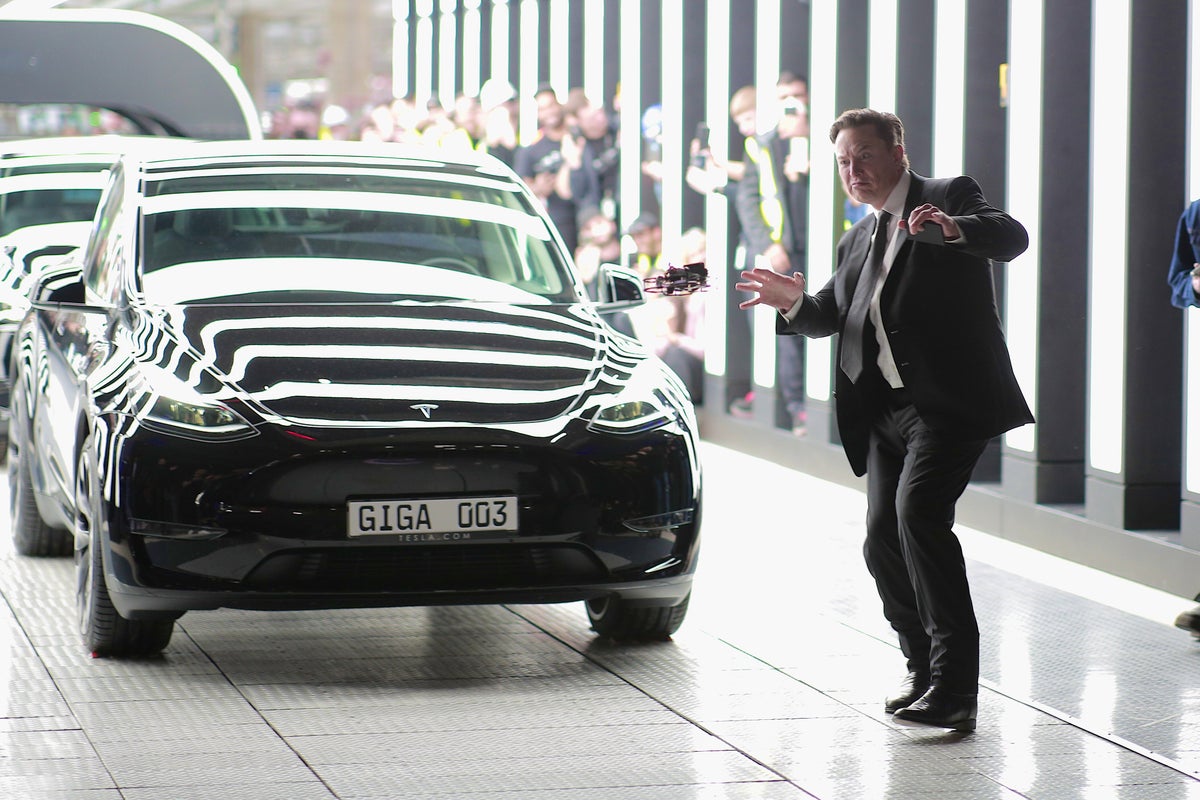
Test-driving an electric vehicle for the first time is weird. You step on the pedal, expect the familiar low rumble of an internal combustion engine, and instead experience instant, silent torque that pins you to the seat. Now, imagine doing that while a dealership employee quietly cranks the settings to maximum power without telling you.
That is the nightmare scenario outlined in a high-stakes lawsuit filed against Tesla. Alemzewd Lawgalet, a 59-year-old federal employee, is seeking over $10 million in damages after a horrific crash in Arlington, Virginia. Her Tesla Model Y test drive didn't just end poorly. It ended inside a local hair salon.
What Happened on That Test Drive
The incident took place on September 21, 2024. Lawgalet had never owned or driven an electric car. Dealership staff allegedly assured her that the Model Y operated just like a standard petrol vehicle before handing her the keys for an unaccompanied test drive.
What staff allegedly failed to mention was that the vehicle's acceleration profile had been altered. According to the legal complaint, a Tesla employee set the car to "Insane" mode. They also neglected to explain regenerative braking or the brutal curve of EV power delivery.
When Lawgalet stopped at a red light and pressed the accelerator to move forward, the vehicle unleashed an extreme surge of power. Unaccustomed to supercar-level acceleration at the twitch of a toe, she lost control. The car slammed straight into a commercial building, leaving her with severe and permanent injuries.
The Danger of Hidden Performance Settings
Performance modes on modern electric vehicles are incredible engineering feats. They turn family SUVs into drag racers capable of hitting 60 miles per hour in seconds. But putting those settings into the hands of a complete novice without explicit warnings is pure negligence.
Most traditional car dealerships wouldn't hand the keys of a 700-horsepower track car to a first-time buyer without a thorough briefing. Yet, software-defined electric vehicles make changing vehicle dynamics as easy as tapping a touchscreen menu.
When a salesperson messes with drive profiles to showcase what the car can do, they often forget a basic rule. The person behind the wheel has zero muscle memory for instant torque.
The Core Issues Raised by the Case
This lawsuit forces a hard look at standard dealership protocols during EV test drives. Several glaring problems stand out:
- Inadequate Onboarding: Dealerships frequently rush customers through software interfaces they do not understand.
- Unsupervised High-Performance Drives: Letting inexperienced drivers take high-output electric vehicles out alone without tracking settings invites disaster.
- Misleading Comparisons: Telling a novice that an electric crossover handles just like a gas sedan ignores how differently power drops down to the wheels.
Regenerative braking adds another layer of confusion. If you take your foot off the accelerator and expect a slow coast, but the car aggressively decelerates instead, panic sets in. When a panicked driver hits the wrong pedal in a vehicle tuned for maximum thrust, fractions of a second turn into catastrophic accidents.
Where Liability Falls
Tesla will likely argue that drivers are ultimately responsible for maintaining control of their vehicles. That defense usually holds up in court.
However, this case hinges on informed consent and pre-delivery preparation. If dealership staff actively altered performance parameters without the driver's knowledge while offering false assurances about vehicle behavior, the liability shifts. You cannot trick someone into driving a modified rocket ship and then blame them for steering into a building.
Expect this lawsuit to set a precedent for how dealerships handle electric vehicle demonstrations. Dealerships might soon face mandatory protocols requiring customer sign-offs on drive modes, mandatory staff accompaniment, or locked performance profiles during public test drives.
If you are stepping into an electric vehicle for the first time, do not assume you know how it handles. Ask what mode the car is in. Demand a full explanation of the throttle response and braking system before you ever put the vehicle into drive.