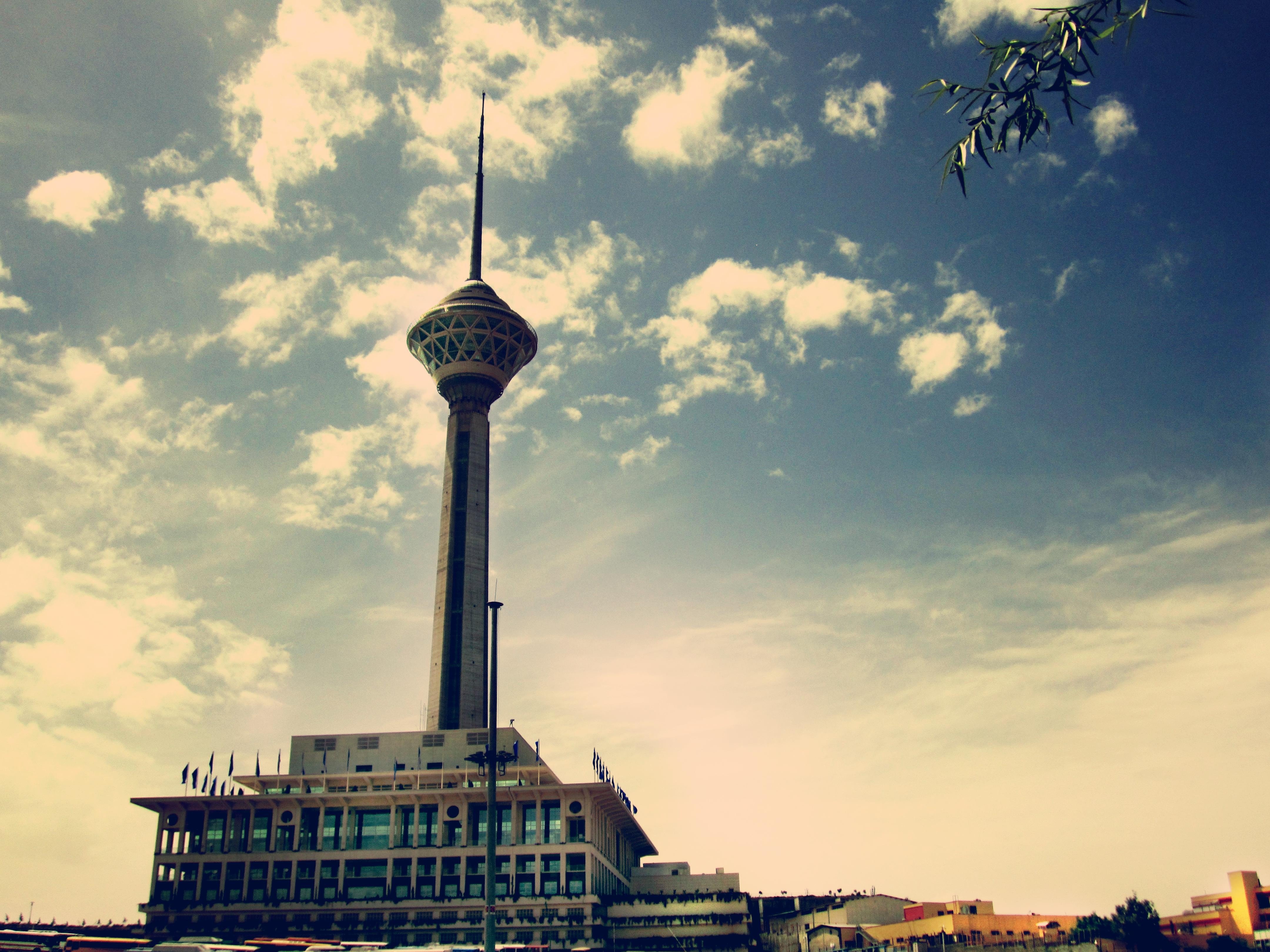
You won't find the real heartbeat of Iran on the evening news or inside government briefings. You find it in cramped basements, underground galleries, and makeshift studios scattered across Tehran. When economic collapse, strict censorship, and continuous political crises threaten to suffocate daily existence, artists don't stop working. They adapt. They fight back with paint, pixels, and performance.
Most outsiders assume that authoritarian crackdowns completely crush creative output. It is a clean, comfortable narrative that fits neatly into headlines. The reality on the ground is infinitely messier, far more stubborn, and much more fascinating. Creativity in Iran isn't a luxury hobby. It is an act of defiance, a survival mechanism, and a way to document a reality that officials would prefer to sweep under the rug.
The Economics of Underground Creation
Making art under intense economic pressure requires a special kind of madness. Inflation climbs. Currency values drop. The cost of basic materials like canvas, high-grade paper, and digital hardware skyrockets. Yet, independent creators in Tehran figure out workarounds. They repurpose discarded materials. They pool funds for shared studio spaces hidden away from prying eyes.
When official galleries close their doors to anything that deviates from state-approved messaging, informal networks take over. Private apartments transform into pop-up exhibition spaces for a single weekend, sometimes just a single evening, before packing up and moving elsewhere. Word spreads through encrypted messaging apps. Buyers, collectors, and curious locals show up, knowing the risks involved.
This DIY culture changes the art itself. It becomes urgent, raw, and stripped of unnecessary polish.
Beyond Political Clichés
Foreign media loves a simple story. They want to frame every Iranian painter, filmmaker, or musician either as an outright political dissident or a quiet victim. But artists in Tehran reject those neat boxes. Their work tackles isolation, memory, generational trauma, and the surreal absurdity of everyday survival under heavy sanctions.
Take independent theater groups. They navigate a minefield of prior censorship by using metaphor, historical allusion, and dark humor. A play about a crumbling royal court from centuries ago can suddenly feel like a mirror reflecting current bureaucratic dysfunction. Audiences catch the subtext immediately. The tension in the room during those performances is palpable, crackling with shared understanding between the stage and the seats.
You also see a massive surge in digital expression. Young creators use animation and independent web platforms to bypass traditional gatekeepers entirely. Even when internet connections throttle or firewalls block major sites, tech-savvy locals use virtual private networks and peer-to-peer sharing to keep work circulating globally.
What the West Gets Wrong About Censorship
Censorship in Iran is not a static wall. It is a moving target. Artists spend years learning where the red lines actually are—not just where the government claims they are. Sometimes those lines shift overnight based on who holds power or which international crisis dominates the news cycle.
This cat-and-mouse game breeds incredible resilience. Creators learn to read between the lines, embedding dual meanings into lyrics, visual art, and sculpture. If an artwork is banned outright, prints circulate hand-to-hand. If a venue gets shut down, the collective moves to a rooftop or a rural garden outside the city limits.
Surrender is rarely part of the vocabulary here. Quitting means letting the silence win.
Why This Matters Beyond Tehran
The cultural resilience happening inside Iran offers a stark lesson for creative communities everywhere. When systems break down, culture doesn't have to die with them. In fact, restrictions often strip away the superficial fluff of the art market, leaving behind pure, unadulterated expression that demands to be heard.
If you want to support independent voices facing systemic pressure, look beyond mainstream institutional channels. Follow underground collectives online, support independent publishing initiatives, and pay attention to diaspora artists who maintain direct ties back to home studios. Do not just view these creators as tragic figures in a news story. See them as relentless innovators redefining what it means to make art against impossible odds.


