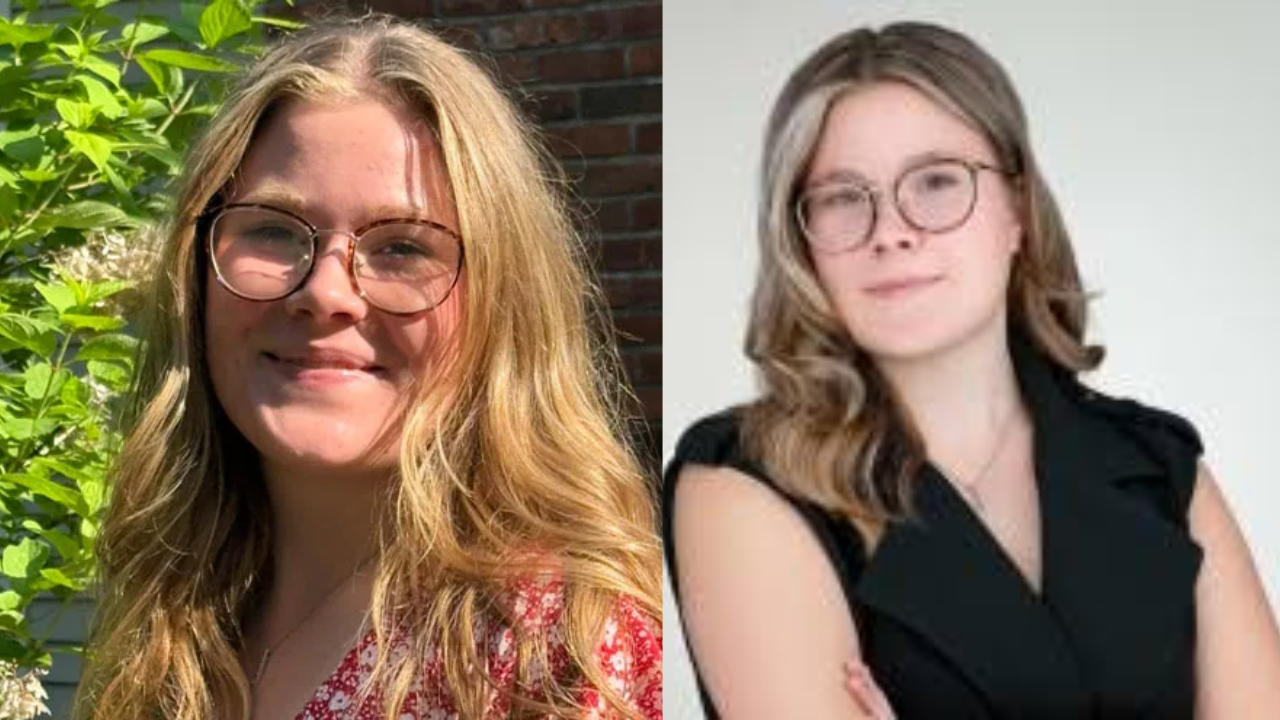
We've all seen the headlines about youth saving the world. Most of them turn out to be overhyped science fair projects that go nowhere. Elizabeth Hanechak's microbial system is different. When an 18-year-old from Russell, Massachusetts figures out how to turn plastic waste into safe drinking water and organic fertilizer within twenty-four hours, you pay attention.
Her work just earned her a $100,000 scholarship as a 2025 Davidson Fellow Laureate. More importantly, the underlying biochemistry points toward a realistic path out of the global plastic crisis. Let's look at how it works and why scientists are taking notice.
The Spark Behind the Lab Work
Every serious project starts with a tangible frustration. For Hanechak, the catalyst was simple: a 4Ocean bracelet made from recycled ocean plastic given to her by her grandmother. That small piece of jewelry sent her down a rabbit hole of research into global plastic pollution.
She quickly realized that traditional recycling models are failing. Developing nations often lack the industrial infrastructure to process massive volumes of imported or locally generated waste. Dumping it or burning it creates toxic air and ruined waterways. Simply collecting the plastic isn't enough. You have to transform it into something communities can actually use to survive and rebuild.
That realization turned an afternoon curiosity into a rigorous laboratory mission.
Engineering Enzymes to Chew Through Polymers
Plastics like PET don't break down naturally for centuries because their polymer chains are tightly packed and difficult for biological organisms to penetrate. Hanechak tackled this hurdle by modifying an enzyme called cutinase.
She engineered the active site of the enzyme—the specific pocket where chemical reactions take place—making it larger. This expansion lets durable plastic chains slip inside the catalytic zone. Once bound, the modified cutinase chops the plastic apart within twenty-four hours, reducing it back to its original monomer building blocks: ethylene glycol and terephthalic acid.
These two compounds are notoriously toxic. Left untreated, they would render soil and water completely sterile. That's where the second half of Hanechak's system steps in.
From Toxic Waste to Drinking Water and Fertilizer
Breaking the plastic apart is only step one. The real innovation lies in what happens next.
Hanechak introduces a naturally occurring strain of microalgae to the chemical broth. These microalgae treat the toxic carbon-rich molecules as food, consuming them directly. As the algae metabolize the compounds, they convert the remaining material into a nontoxic biomass that functions perfectly as agricultural fertilizer.
Because the entire reaction takes place inside a liquid medium, the resulting broth can be filtered. The output includes clean, drinkable water alongside the nutrient-rich fertilizer.
For rural and developing communities struggling with polluted local water tables and poor crop yields, a localized bioreactor running this process could solve multiple critical problems at once. It eliminates waste, generates hydration, and boosts food production without requiring a billion-dollar municipal recycling plant.
Beyond the Lab Bench
Winning a $100,000 Davidson Fellowship puts Hanechak in rare company, but her day-to-day focus remains remarkably grounded. Alongside her biochemistry research, she has spent years volunteering at her local American Legion post, managing veteran cemetery improvement projects, and coaching younger students through their first science fair entries.
She plans to pursue a doctorate in environmental biochemistry and eventually launch her own research firm to scale these microbial systems for field deployment.
The scale of global plastic pollution is staggering, and no single project will fix it overnight. But when high school laboratories start producing biological systems that turn trash into water and fertilizer, it's worth dropping the cynicism. Real solutions are coming from people who refuse to wait for adults to fix the mess.