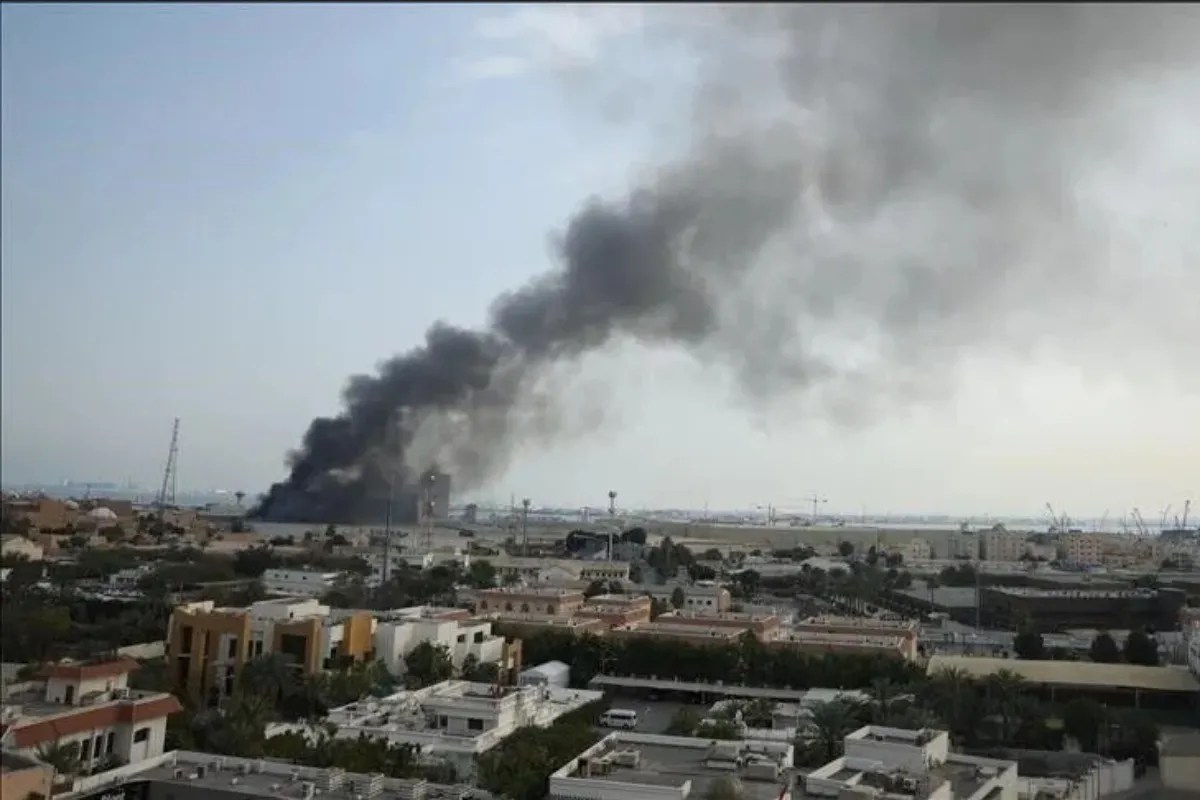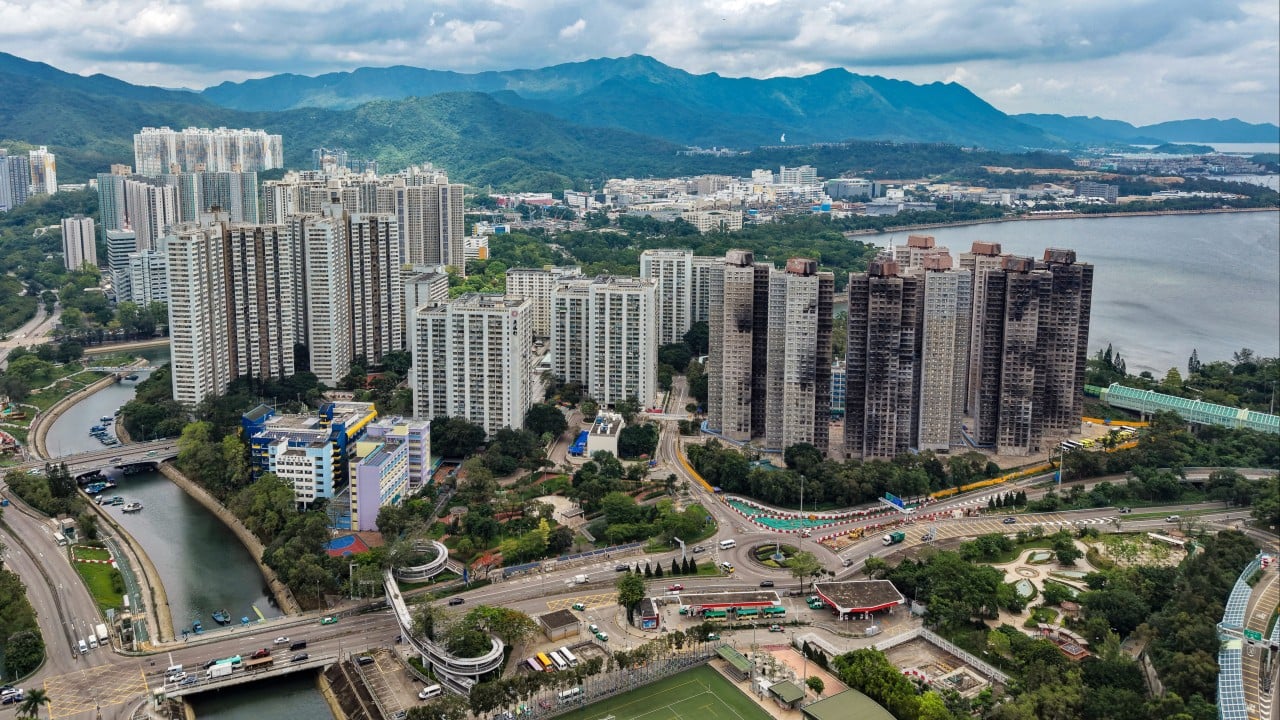
We already knew the tragic numbers. The inferno that ripped through Wang Fuk Court in Tai Po on November 26 last year lasted for 43 agonizing hours and took 168 lives, making it Hong Kong's deadliest residential fire since 1948.
But as the independent inquiry wound down to its final arguments on Wednesday, the truly horrifying revelation wasn't the mechanics of how the fire spread. It was the absolute, shameless moral bankruptcy of the commercial entities involved. When forced to account for a tragedy of this magnitude, the defense from contractors and consultants basically boiled down to a collective shrug and a finger pointed at someone else. Read more on a similar topic: this related article.
The three-day closing session of the judge-led inquiry, chaired by High Court Judge David Lok, laid bare a system where safety is treated as a bureaucratic box to check—and where liability is treated as something to dodge.
Multiple Layers of Human Failure
"We submit that the fire was the result of multiple layers of human failure across different parties." Further reporting by The Guardian explores related views on the subject.
That was how lawyer Tam俊傑 (representing nine survivors and victims' families) summed up the disaster. He didn't mince words. The tragedy at Wang Fuk Court was not an act of God. It was a failure of people—specifically, highly paid professionals who simply didn't do their jobs.
When you look at the evidence presented throughout the inquiry, the sequence of negligence is staggering:
- Prestige Construction and Engineering: The main contractor wrapped the estate’s eight blocks in cheap, highly flammable nylon mesh netting. They knew it was substandard. On top of that, they slapped flammable styrofoam boards over residents' windows to "protect" them during renovation work, turning the building facade into a vertical tinderbox.
- Will Power Architects: The project consultant and its registered inspector, Ng Yeuk, completely abandoned their supervisory duties. They stood by and let Prestige use these hazardous materials. When residents complained about falling debris and obvious fire hazards, the warnings were ignored.
- China Status Development & Engineering: The fire services installation contractor acted as little more than a "rubber stamp" for Prestige, signing off on endless, illegal extensions to keep the estate’s fire alarms and hydrant systems completely deactivated.
- Victory Fire Engineering: The annual inspection contractor failed to check why the main switches controlling the fire alarms and water pumps were turned off. They walked away from an incomplete job because they didn't want to ruffle feathers.
The physical result of this collective negligence? When the fire broke out—likely triggered by a discarded cigarette butt on the scaffolding platform setting cardboard boxes alight—residents had "essentially zero" response time. The fire alarms didn't sound. The hose reels were dry. The fireproof windows in the emergency stairwells had been ripped out and replaced with cheap movable boards to let workers climb in and out of the scaffolding, creating a perfect chimney effect that sucked toxic black smoke directly into the escape routes.
The Baffling Industry Mentality of "Not My Job"
The most infuriating part of the final hearings was listening to the defense lawyers try to rationalize these failures.
Consider the defense put forward by ISS EastPoint Properties, the estate's property management company. Their lawyer, Martin Ho, admitted that an in-house electrician had inadvertently switched off the main fire alarm system while emptying water tanks. He called it "regrettable." But then he immediately tried to shift the blame, arguing that the mistake could have been avoided if the fire service installation contractor had been standing over the electrician's shoulder.
Even more bizarre was the explanation for why a secondary contractor, who noticed the deactivated fire alarms, chose to do absolutely nothing about it. According to the inquiry, the contractor's director claimed it was simply down to an industry mentality of "not teaching other companies how to do their work."
Judge David Lok rightly called this excuse "baffling." In what world does professional courtesy trump the immediate, life-threatening danger of thousands of people sleeping in high-rise towers with deactivated fire alarms?
Then there was Aaron Chan, representing a director of China Status. He attempted to argue that even if the fire alarms had been working, they might not have saved lives because the "escape window" was incredibly short.
Judge Lok didn't let him off the hook, sharply warning the lawyer: "Do not tell me the alarms are useless."
It was a pathetic attempt to argue that since the fire was so fast and violent, the safety systems wouldn't have mattered anyway—conveniently ignoring that the fire was only that fast and violent because the contractors had wrapped the building in fuel.
A Systemic Failure Beyond a Single Estate
The horror of Wang Fuk Court is that it isn't an isolated case of bad luck. It’s a symptom of how building maintenance actually works in Hong Kong.
The inquiry dedicated significant time to exploring systemic corruption, bid-rigging, and triad involvement in the city's multi-million-dollar residential renovation market. A representative from the Competition Commission confirmed that coordinated bid-rigging syndicates—often linked to organized crime—frequently control who gets these lucrative estate renovation contracts.
When the tendering process is rigged, the winning contractor isn't selected because they're the safest or most competent. They win because the deck was stacked. To recoup the costs of bribes and inflated tenders, these companies cut corners on materials, skip safety protocols, and hire substandard subcontractors who receive "safety training" that lasts only a few minutes.
As former Owners' Corporation management committee member Kong Cheung-fat testified, ordinary flat owners are completely ill-equipped to police these sophisticated, predatory networks of consultants and contractors. They are lied to, handed fake assurances, and left defenseless.
What Needs to Happen Next
The independent committee will submit its final report to the government in the coming months. While this panel doesn't have the power to hand down criminal sentences, the police and the Independent Commission Against Corruption (ICAC) have already charged seven individuals and two companies with manslaughter, conspiracy to defraud, and money laundering.
But criminal prosecutions are only half the battle. If Hong Kong wants to ensure another Tai Po fire never happens, the government must take immediate, concrete steps:
- Ban Combustible Facade Materials: The loophole allowing highly flammable nylon scaffolding mesh and polyfoam window covers on occupied high-rises must be closed permanently. Only certified, non-combustible materials should be permitted for external renovations.
- Strip Deactivation Authority from Contractors: Contractors should never have the unilateral power to deactivate fire hydrants and alarm systems for months at a time. Any suspension of vital fire safety equipment exceeding 24 hours must require direct, written authorization and daily physical inspections by the Fire Services Department.
- Mandate Smart IoT Fire Alarms: The government’s pilot scheme for smart, internet-connected smoke detectors in older buildings must be fast-tracked and made mandatory for any estate undergoing major renovations. If a contractor cuts a wire or turns off a switch, an automated alert must instantly flag the violation to authorities.
- Dismantle the Bid-Rigging Syndicates: The Competition Commission and the ICAC need statutory teeth to aggressively audit building renovation tenders, breaking the monopoly of the corrupt networks that treat Hong Kong's residential blocks as private cash cows.
For the survivors of Wang Fuk Court, these reforms are too late. As former resident Patrick Liu bitterly noted outside the hearing room, "Basically, everyone is just shirking responsibility." The courts must prove him wrong by holding the negligent accountable, and the government must prove him wrong by fixing a broken system before the next tower burns.