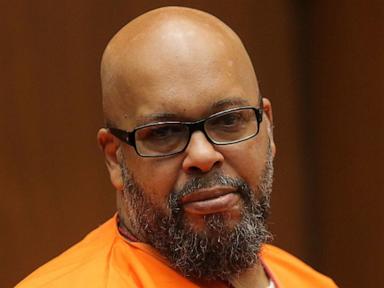
Nearly thirty years after a fateful September night in Las Vegas, the legal proceedings surrounding Tupac Shakur's murder are finally moving forward. Yet, the only living eyewitness who was sitting right beside the legendary rapper when the shots rang out has made his position crystal clear. Marion "Suge" Knight isn't stepping up to help prosecutors.
If you are wondering why the former Death Row Records boss is keeping his mouth shut while Duane "Keefe D" Davis stands trial for first-degree murder, the answer comes down to old-school street codes and personal survival. Knight is currently serving a 28-year sentence for voluntary manslaughter in an unrelated case, but his stance on the Tupac Shakur murder suspect trial hasn't wavered an inch. He maintains that despite everything, he is no informant.
The Code of Silence That Outlived Death Row
People love to assume that prison time changes people or makes them eager to cut deals. It doesn't always work that way. Knight made it clear in interviews that even though he was wounded in that same 1996 drive-by shooting, he refuses to wish prison on anyone.
Call it misguided loyalty or strict adherence to a brutal code. Either way, Knight's refusal throws a massive wrench into the narrative that closure naturally follows an arrest. Prosecutors built their case largely around Keefe D's own past public admissions and grand jury testimony rather than eyewitness cooperation from the passenger seat of that BMW.
Think about the sheer weight of that car ride. On September 7, 1996, Shakur and Knight left the Mike Tyson boxing match at the MGM Grand. Minutes later, a white Cadillac pulled up alongside their car at a red light, and bullets tore through the vehicle. Shakur died six days later. Knight survived with a graze wound, but the silence he chose that night in Las Vegas has effectively lasted three decades.
What the Prosecution is Actually Facing
The state's case against Keefe D relies heavily on statements the former Compton gang figure made himself over the years, including details shared in media interviews and his 2019 book. Defense attorneys are pushing back hard, claiming those stories were heavily exaggerated or fabricated purely for financial gain.
This creates a bizarre courtroom dynamic. The man accused of orchestrating the killing sits in a jail cell claiming he made the whole thing up for clout, while the surviving victim in the driver's seat refuses to validate either side. Without Knight's testimony, the trial hinges on aging evidence, recorded confessions, and the testimony of associates from a completely different era of hip-hop history.
Why This Trial Still Divides Hip Hop Fans
The cultural impact of that era doesn't fade quietly. The rivalry between Death Row Records and Bad Boy Records defined 1990s music, and every new courtroom development drags those old ghosts back into the light. Fans expected a clean narrative when an arrest finally happened. Real life is messier.
When you look closely at the mechanics of this case, relying on old street legends and jailhouse interviews is a risky bet for any district attorney. Memories fade. Audio tapes get scrutinized. Key players stay silent.
If you are following the courtroom updates, keep your expectations grounded. Justice in historical cold cases rarely arrives wrapped in a neat package. Suge Knight is staying in his lane, leaving the legal system to grapple with a decades-old tragedy using everything except the testimony of the man who was closest to the fire.