War doesn't just knock on doors in Sudan anymore. It drops out of the sky with zero warning, obliterating the few places people run to for safety.
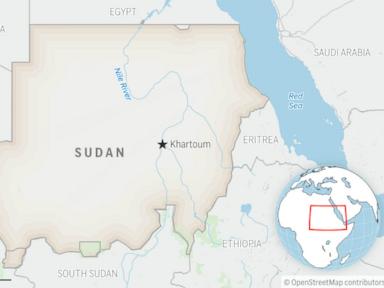
A devastating drone strike hit a crowded displacement shelter in Sudan's Blue Nile region, killing 41 people. The attack targeted the Abu Shandi shelter in the Wad Al-Mahi locality, sitting perilously close to the Ethiopian border. Local human rights defenders, specifically the Emergency Lawyers group, confirmed the grim milestone after initial reports noted heavy casualties among women and children. If you liked this article, you might want to look at: this related article.
When you look past the basic headlines, this incident highlights a terrifying shift in the ongoing civil war. The Rapid Support Forces, Sudan's primary paramilitary wing, stand accused of launching the deadly airborne assault on civilians who had already fled their homes to escape earlier waves of combat.
The Brutal Reality of Aerial Warfare in Civilian Zones
Aerial technology changes how civil wars are fought, and ordinary citizens pay the ultimate price. Drones aren't just reserved for high-value military targets in modern conflicts. They're increasingly used in localized skirmishes, turning schools, camps, and remote towns into active battlegrounds. For another angle on this event, check out the latest update from NPR.
The numbers coming out of the Blue Nile region are staggering. Initial tallies from medical responders and local monitors recorded at least eight children dead and dozens of women severely injured before the death toll climbed to 41. Shelters meant to offer sanctuary are becoming death traps.
You have to ask yourself why displacement camps—locations explicitly meant to house the vulnerable—are taking direct hits. Humanitarian organizations have repeatedly warned that both sides in the Sudanese conflict show blatant disregard for civilian protection. When air attacks hit makeshift shelters near international borders, escaping the violence becomes nearly impossible.
Why This Border Region Matters
Geography plays a brutal role in this tragedy. The Wad Al-Mahi locality in the Blue Nile region borders Ethiopia, serving as a critical transit and refuge point for families fleeing the epicenter of Sudan's devastating civil war.
When fighting erupted between the Sudanese military under Gen. Abdel Fattah Burhan and the Rapid Support Forces commanded by Gen. Mohamed Hamdan Dagalo, millions of people were forced onto the road. They didn't leave because they wanted adventure or better economic prospects. They left to stay alive.
By hitting a border shelter, the attack cuts off one of the few remaining safety valves for displaced populations. Refugees and internally displaced persons are trapped between active combat zones inside Sudan and heavily monitored international borders.
The Human Cost Behind the Statistics
Data points and casualty counts easily blur together when you read daily news feeds. Let's break down what a death toll of 41 actually means for a localized community shelter:
- Dozens of families mourning multiple generations in a single afternoon.
- Emergency medical clinics overwhelmed by severe trauma injuries with zero supplies left.
- Survivors forced to pack up whatever is left and run again, with nowhere safe to go.
Local legal aid networks and rights monitors remain some of the only credible sources keeping track of these atrocities. Without their documentation, these strikes would happen in total darkness. Yet, condemnation from monitors doesn't stop the next drone from launching.
What Comes Next for Sudan
Sudan's humanitarian crisis is spiraling past the point of no return. Millions face acute hunger, and the infrastructure required to support basic human life has practically collapsed. International diplomatic efforts have repeatedly stalled, leaving armed factions free to escalate their tactics without facing meaningful accountability.
If you're following the conflict, don't expect a quick political fix. The reliance on drone warfare signals a protracted phase of the war where civilian centers bear the brunt of tactical desperation. Real protection won't come from empty statements issued by foreign ministries. It requires immediate, enforceable restrictions on aerial weapons and a genuine commitment to spare non-combatants from the crossfire.


