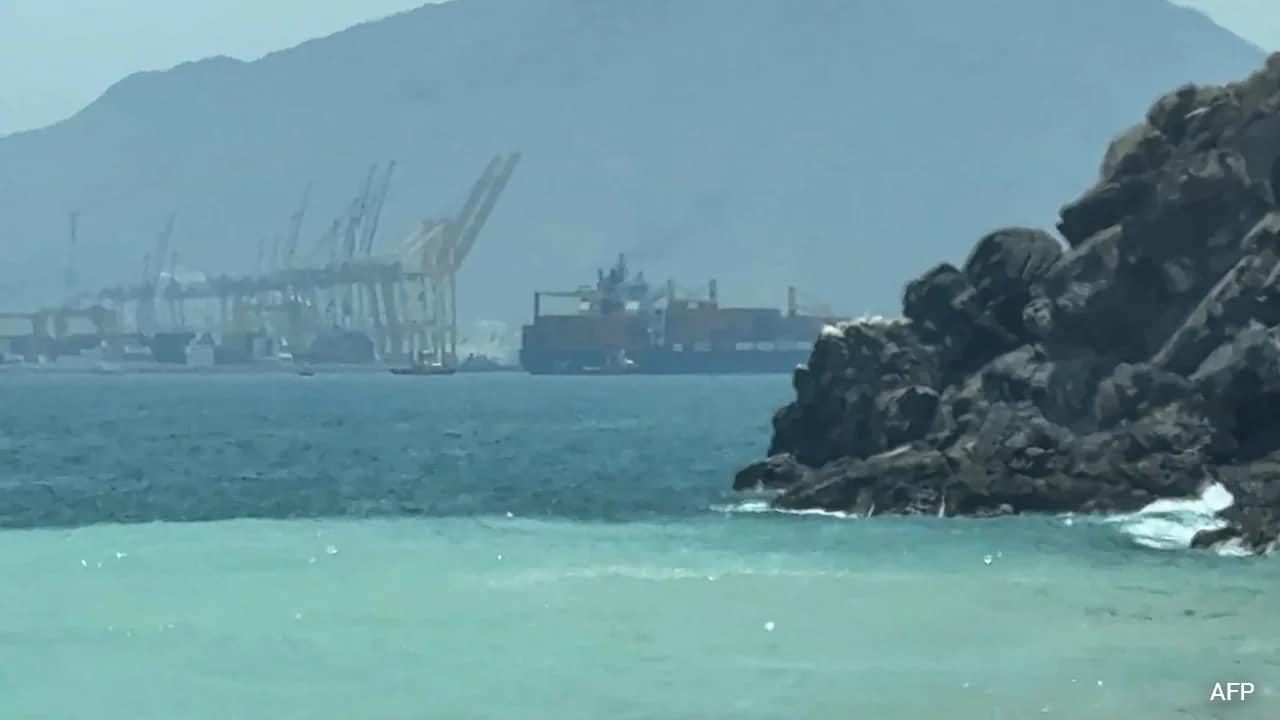
Commercial shipping through the Persian Gulf is hanging by a thread. When the United Arab Emirates recently confirmed that state-owned oil tankers operated by the Abu Dhabi National Oil Company (ADNOC) came under attack by uncrewed aerial vehicles while transiting the Strait of Hormuz, it wasn't just a localized security breach. It was a direct strike on the arteries of global energy infrastructure.
If you think this is just another routine Middle Eastern flashpoint that will fade from the news cycle tomorrow, you aren't paying attention. The reality on the water is grim, volatile, and actively reshaping how crude oil moves from the Gulf to international markets.
Inside the Escalating Crisis at the Chokepoint
The numbers tell a terrifying story for maritime operators. According to operational disclosures from ADNOC, multiple vessels linked to the company have faced hostile drone and missile strikes while trying to clear the narrow waterway.
The sequence of events is rapid and relentless:
- ADNOC-affiliated tankers get targeted by drones or missiles during outbound transits.
- The United Kingdom Maritime Trade Operations (UKMTO) issues urgent safety warnings following reports of minor structural damage and localized fires.
- Crews manage to bring situations under control with zero or minimal casualties reported in the immediate strikes, though cumulative casualties over the broader conflict continue to mount.
The UAE Ministry of Foreign Affairs didn't mince words. Officials labeled the strikes a flagrant violation of international law and accused Iran’s Islamic Revolutionary Guard Corps of turning a critical global shipping lane into an instrument of economic coercion, calling the tactics acts of piracy.
Why Shippers Are Running Blind
Moving oil out of the Persian Gulf used to be a predictable, highly automated logistics dance. Today, it requires high-risk maneuvers.
To keep Asian and European refiners supplied, energy traders are expanding risky shuttle operations. Some vessels are making short, high-stress dashes through the chokepoint—occasionally running with their Automatic Identification System (AIS) transponders switched off to evade hostile tracking—before transferring cargo outside the danger zone.
It's a dangerous game of cat and mouse. When state-backed oil companies have to resort to shadow-tactics just to clear international waters, the baseline economics of energy transport break down. Insurance premiums for hull and cargo risks have skyrocketed, and finding crews willing to run the gauntlet is becoming an operational nightmare.
The Broader Fallout for Global Energy Security
The Strait of Hormuz handles roughly a fifth of global petroleum consumption. Every time a drone hits an ADNOC tanker, the shockwaves hit trading desks in London, New York, and Singapore instantly.
We are watching the total collapse of the post-ceasefire security framework that previously kept commercial traffic insulated from regional wars. Tehran maintains a tight grip on the passage, using it as leverage against regional adversaries and international pressure, while neighboring states demand the complete and unconditional reopening of the lane.
Diplomatic talks hosted through intermediaries like Oman keep stalling out over who gets to administer the strait. Meanwhile, energy firms can't wait for diplomats to finish arguing. They have to move product today or watch supply chains snap entirely.
Expect tighter security escorts, further route modifications, and heightened military postures across the Gulf in the coming weeks. The era of frictionless transit through Hormuz is dead. Adjust your risk models accordingly.