You remember how the last MCU web-slinging chapter ended, right? The whole world forgot Peter Parker existed. No more Stark tech handouts, no high school safety net, and absolutely zero people left to remember who he was.
When Spider-Man: Brand New Day hits theaters, it refuses to hit the reset button too quickly. Instead, director Destin Daniel Cretton and star Tom Holland lean hard into an uncomfortable, isolated reality. Four years have passed. Peter lives entirely alone in a rundown New York apartment, working crime shifts around the clock and watching his old friend Ned scroll through social media feeds on a cracked phone. For an alternative view, read: this related article.
Critics are calling it the finest work of Holland's tenure, and honestly? They're right.
Stripping Away the Billionaire Toybox
Let's be real for a second. The earlier entries in this specific cinematic era had a massive problem. They leaned too heavily on high-tech gadgets, billionaire mentor figures, and a cozy sitcom aesthetic. Peter Parker felt less like a struggling kid from Queens and more like an intern with a trust fund. Similar insight regarding this has been shared by IGN.
Brand New Day strips all of that away.
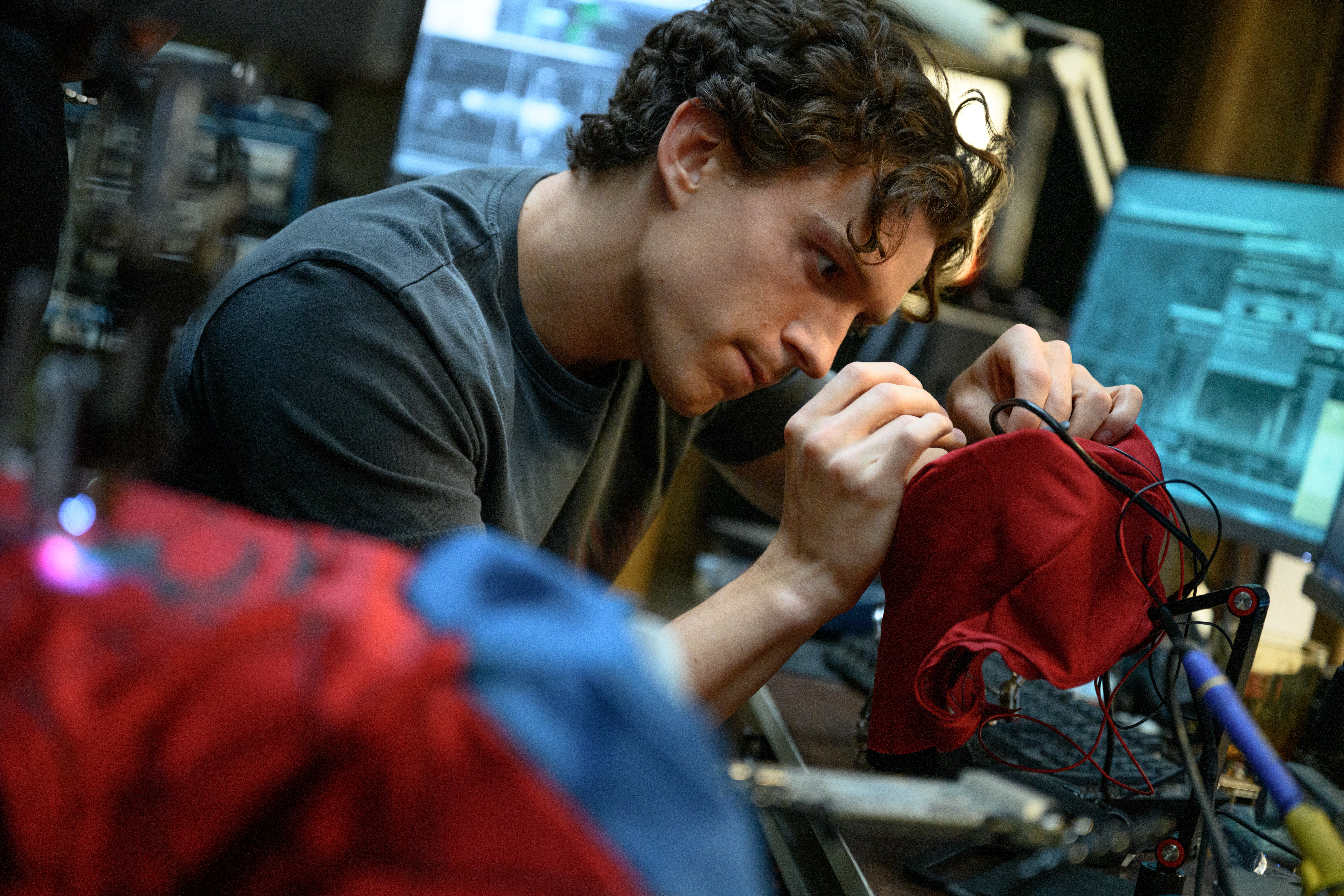
By forcing Peter into total anonymity, the creative team strips away his safety blanket. He doesn't have access to orbital satellite weapons or high-tech suits built by billionaire corporations. He has a sewing machine, some scrap fabric, and a police scanner. The action sequences trade glossy, computer-generated skies for gritty, overcast Manhattan alleys shot with a raw, street-level energy.
When he swings through the city now, you feel the weight of it. The camera tracks tightly behind his mask, letting you hear the strained breaths of a guy who is genuinely exhausted.
Why the Emotional Stakes Actually Work
Most modern blockbusters mistake scale for substance. They think adding a multiverse-threatening purple alien or an exploding planet makes a story better. This movie does the exact opposite.
The stakes here are painfully small, which makes them infinitely bigger.
Peter is desperate to reconnect with MJ and Ned, but every interaction hurts because they have no idea who he is. Zendaya plays MJ with a guarded maturity that completely shifts their dynamic. She isn't the damsel or the quirky sidekick anymore; she's a college student moving forward while Peter stays stuck in amber, guarding a secret he can never share.
The introduction of Sadie Sink into the ensemble adds another layer of friction. Without spoiling the twists, her character acts as a distorted mirror for Peter. She represents the dangerous toll that unchecked trauma and sudden powers can take on a young person. Meanwhile, Jon Bernthal drops in as Frank Castle, bringing a harsh, grounded cynicism that forces Peter to confront the hard limits of his moral code.
Growing Up in the Digital Age
Tom Holland recently pointed out that what he loves most about the project isn't just the punch-ups. It's the underlying commentary on how modern isolation works.
We live in a world where it's easier than ever to sit alone in a dark room, stare at a screen, and let human connections wither. Peter Parker is literally living that nightmare. He is surrounded by millions of people in New York City, yet he is completely invisible to everyone who ever loved him.
That thematic resonance is what elevates the film above standard comic book fare. It connects the supernatural burden of being a hero with the very real, very mundane loneliness that young adults face today.
Flaws Amidst the Ambition
Is the movie perfect? No.
Marvel's corporate gravity still pulls hard at the seams. Mark Ruffalo's Bruce Banner shows up for a stretch that feels less like a natural narrative beat and more like a mandatory studio check-in designed to juice trailer metrics. A few subplots involving government cleanup agencies get bogged down in bureaucratic exposition that slows the momentum.
Yet these flaws matter less because the core engine of the film is running so smoothly.
The Verdict on Holland's Future
For years, fans wondered if Holland would outgrow the spandex. At age thirty, he has crossed the threshold where playing a teenager no longer makes sense. Instead of fighting that reality, the franchise grew up with him.
Brand New Day proves that these characters can evolve beyond origin stories and high school romances. It's messy, emotional, and willing to let its main character bleed a little bit. If this is the start of a new chapter, the web-slinger's future looks brighter than it has in a decade.
Go see it on the biggest screen you can find, and pay attention to the quieter moments between the punches. That is where the real movie lives.