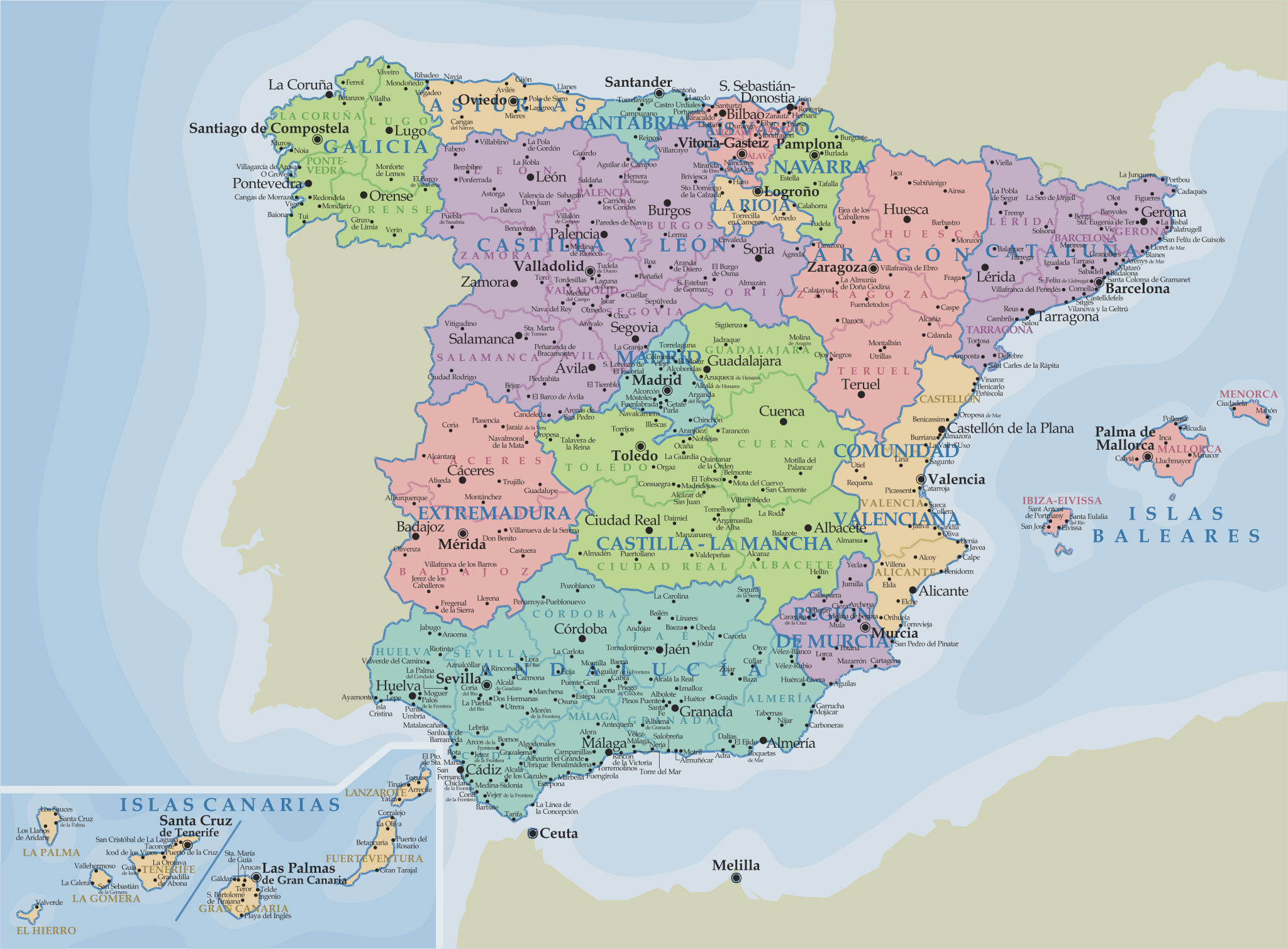
Streets across Spain are filling up with angry crowds again. Rent checks take half a paycheck. Young professionals live with their parents until they turn thirty-five. Short-term holiday rentals push local families out of historic neighborhoods in Madrid, Barcelona, and Valencia. When the national parliament recently shot down a high-profile housing bill, people didn't just sigh and turn off the news. They marched.
Months of frustration boiled over because citizens feel their leaders ignore a crisis that threatens their daily survival. You cannot work a full-time job in hospitality or tech and spend eighty percent of your earnings on a cramped studio apartment. People have reached a breaking point.
The Breaking Point of Spanish Real Estate
Housing affordability in Spain has reached historic lows. The numbers tell a brutal story. According to data from real estate platforms and labor unions, average rental prices in major urban centers have climbed dramatically over the last five years, while salaries remain largely stagnant.
If you try to rent a flat in central Barcelona today, landlords demand proof of income that eliminates most workers. They want three months of deposits, permanent employment contracts, and sometimes guarantors. It is exclusionary by design.
Tourism makes things worse. Millions of visitors pour into Spain every year, transforming residential blocks into unregulated hotels. Property owners make vastly more money renting to tourists for a week than to locals for a year. Who can blame them for chasing profit? But the social cost is devastating. Neighborhoods lose their bakeries, their schools, and their sense of community. They become open-air theme parks.
When the government failed to pass legislative fixes to cap rents and restrict speculative buying, the public reaction was swift. Protesters filled plazas chanting slogans against property speculators and indifferent politicians.
Could This Trigger a Snap Election
Political instability always follows civil unrest. Analysts are frantically asking whether these widespread housing protests will force a snap poll. Prime Minister Pedro Sánchez leads a fragile coalition government that relies on a patchwork of regional and smaller parties to stay afloat.
Maintaining power under these conditions requires constant negotiation. When a major social issue like housing splits public opinion and alienates working-class voters, coalition partners start looking out for their own political survival.
If left-wing allies feel the ruling party isn't doing enough to curb market excesses, they might withdraw support. A government without a functioning majority cannot pass budgets. Without a budget, early elections become a distinct possibility.
Yet, calling a snap poll is risky for everyone involved. Conservative opposition parties want an election, smelling blood in the water. But they also lack a clear, unified strategy to fix the housing shortage without alienating property owners who form part of their core base. Everyone talks about building more public housing, but construction takes years. Protesters need affordable roofs over their heads tonight.
What Actually Needs to Happen
Politicians love quick soundbites and temporary subsidies. Neither works. Handing out small rental vouchers to tenants just allows landlords to raise prices by the exact same amount. It is a subsidy for property owners disguised as help for the poor.
Real solutions require structural changes that politicians usually avoid because they upset powerful interest groups.
- Enforce strict zoning laws that limit tourist apartments in saturated residential areas.
- Build massive amounts of genuinely public, state-owned housing instead of relying entirely on private developers.
- Tax vacant properties heavily to force owners to either sell or rent them out to residents.
- Streamline bureaucratic planning permits so new residential blocks can go up in months, not years.
Spain has tried half-measures for a decade. None of them stopped the bleeding.
The Broader European Echo
Spain isn't alone in this mess. From Dublin to Berlin, housing markets are breaking under the weight of financial speculation, low wages, and supply bottlenecks. But Spain's combustible mix of high youth unemployment and aggressive street mobilization makes its situation particularly volatile.
When citizens realize that conventional politics cannot secure them a basic human need, they take to the streets. Governments ignore them at their peril.
The pressure on Madrid will only grow heavier as summer approaches and tourism peaks. Politicians can delay, debate, and vote down bills in air-conditioned chambers, but they cannot evict reality. The tents in the plazas and the chants echoing through cobblestone streets are not going away anytime soon.