South Korean President Lee Jae-myung just drew a hard line. He made it crystal clear that Seoul won't deploy combat troops or military assets into the ongoing conflict involving Iran.
If you're wondering why a key American ally is openly passing on Washington's calls for military backup, the answer comes down to economic survival and strict noninvolvement policies. Let's break down what's actually happening behind the diplomatic closed doors.
The Straight Truth About Seoul's Stance
During a press conference at the Blue House in Seoul, President Lee didn't mince words. He stated that South Korea's long-standing principle of noninvolvement in foreign wars remains entirely unchanged.
U.S. President Donald Trump previously noted on social media that Seoul turned down a request to join Washington's efforts regarding the conflict. Trump even mentioned scaling back joint military drills while pointing out South Korea's reluctance.
Lee's public clarification shuts down any speculation. Seoul isn't sending soldiers to fight Iran. Period.
Balancing Act in the Strait of Hormuz
Rejecting a direct military alliance in the war doesn't mean South Korea is ignoring the region completely. Energy security forces Seoul to play a delicate game.
The Strait of Hormuz handles a massive chunk of the crude oil that keeps South Korean factories running and homes heated. Giving up on energy transport isn't an option. Because of this, the South Korean government is weighing what Lee calls "minimum activities".
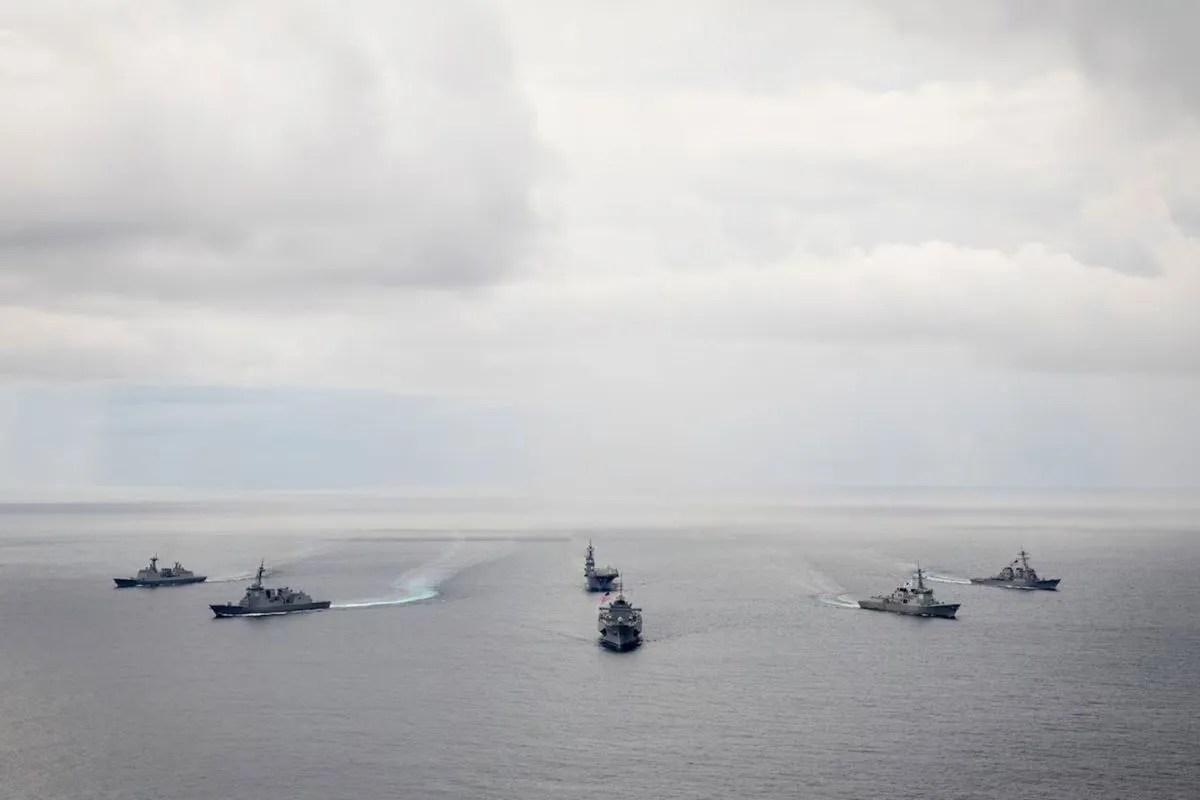
Instead of sending fresh combat boots into a foreign war zone, Seoul is looking at localized protection measures. The existing Cheonghae anti-piracy military unit, which already operates near Middle Eastern waters, might see its operational scope adjusted purely to safeguard commercial merchant vessels and citizens.
It's a very fine line. Protecting oil tankers isn't the same as joining an offensive campaign, but critics worry those boundaries could blur quickly. Lee insists that no Korean service members will ever find themselves placed under foreign command for combat missions.
Economic Pressures and Domestic Realities
Why is Seoul holding back so firmly? Domestic politics and economic stakes tell the real story.
South Korea's economy relies heavily on stable global shipping lanes and predictable energy costs. An escalating conflict in the Middle East threatens severe inflation and supply chain shocks at home.
At the same time, President Lee faces domestic scrutiny, sliding approval ratings, and tough negotiations with Washington over massive U.S. manufacturing investments. Committing troops to a distant, high-risk overseas war would invite massive public backlash without offering any tangible return for Korean citizens.
To manage supply risks without sparking wider conflict, Lee also directed officials to evaluate alternative shipping channels like the Red Sea, taking personal political responsibility for those navigation safety choices.
Seoul is choosing self-preservation over foreign entanglement. Expect South Korea to keep focusing on protecting its economic lifeline while keeping its military well clear of direct combat operations in the Middle East.