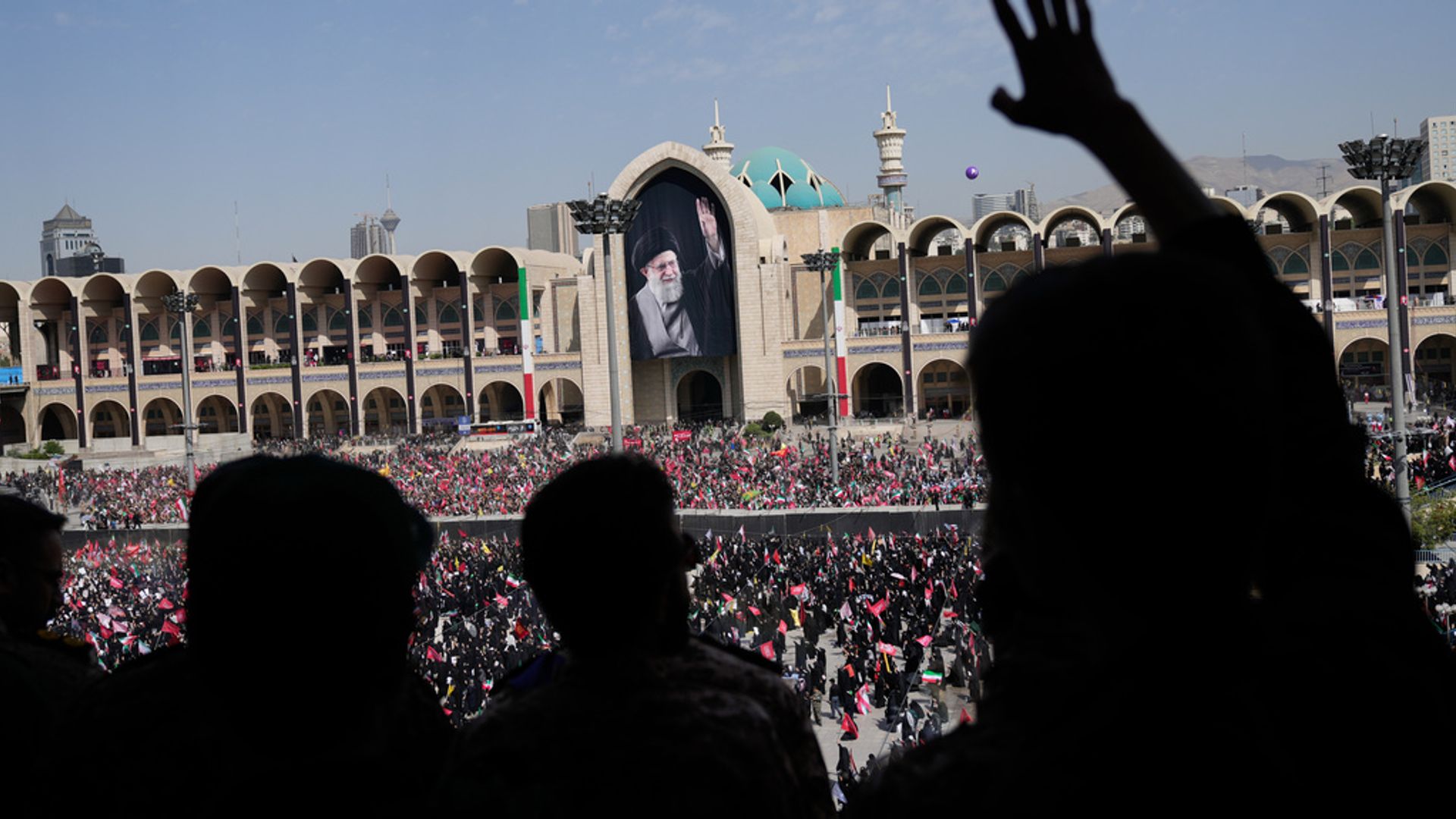
Thousands of mourners poured into the Grand Mosalla mosque in central Tehran this morning, kicking off a massive six-day funeral for Iran's long-serving supreme leader, Ayatollah Ali Khamenei.
But don't assume this is just a moment of national grief. Look closer at the timing and the orchestration. Iran chose July 4, the 250th anniversary of the founding of the United States, to begin the public ceremonies. It's a calculated, highly political spectacle aimed squarely at Washington and Tel Aviv. The message from the Iranian establishment is clear: we survived the war, and we aren't backing down.
Khamenei was killed back on February 28, 2026, during an opening strike by the US and Israel. The long delay between his death and this week's funeral tells you everything about how chaotic the subsequent 40-day conflict was. Now, under a fragile ceasefire, the regime is using this multi-day event to project absolute stability.
The Scene Inside the Mosalla
By 5:30 AM on Saturday, the streets surrounding the vast Grand Mosalla religious complex were completely choked with people. Men and women were strictly segregated, with men entering to the right and women clad in traditional black chadors to the left.
Inside the courtyard, the atmosphere felt deeply charged. Huge crowds rhythmically beat their chests, a traditional Shia mourning custom. Loudspeakers blared religious laments, and grown men sat cross-legged on the pavement, crying openly.
But the regime made sure the mourning wasn't just about one man. Khamenei's flag-draped coffin sat on a massive raised stage. Right next to it were smaller coffins containing family members killed in the same airstrike. This included his eldest daughter, his son-in-law, and most tragically, his 14-month-old granddaughter. The inclusion of the child's small coffin is a deliberate move to highlight the human cost of the western strike and fuel a desire for retribution.
During the speeches, Parliament Speaker Mohammad Bagher Ghalibaf made the official stance obvious. He told the crowd that the nation's call for vengeance must ring in the ears of the whole world. Chants of "Death to America" and "Revenge, revenge" repeatedly rippled through the thousands in attendance.
A Logistical Show of Power
Iranian authorities claim they expect anywhere from 15 to 20 million people to move through Tehran over the next three days alone. Some official estimates suggest up to 30 million people could participate across the entire six-day event. To handle these staggering numbers without repeating past stampedes, the government set up an incredibly complex logistical network.
Hundreds of "mokebs"—roadside hospitality stations—line the streets of the capital. Volunteers are handing out free boiled eggs, halim soup seasoned with cinnamon, lemonade, tea, and millions of plastic bottles of water to keep people cool in the summer heat.
The state has even modernized the process of giving alms. Desks are equipped with credit card terminals so mourners can swipe their cards to donate money to the poor on the spot.
The funeral schedule is designed for maximum geographic reach:
- July 4–5: Public viewing and tributes at the Grand Mosalla in Tehran.
- July 6: A massive farewell procession through the main streets of the capital.
- July 7: The body travels to Qom, the heart of Iran’s Shia clerical establishment.
- Mid-week: The coffin will travel across the border to the Iraqi Shia holy cities of Najaf and Karbala, a move requested by Iraqi politicians to emphasize transnational Shia solidarity.
- July 9: Final burial in Khamenei's hometown of Mashhad at the Imam Reza shrine.
The Missing Successor
While the crowds are performing grief for the cameras, foreign intelligence agencies are watching the stage for someone who hasn't shown up. Ayatollah Mojtaba Khamenei, the late leader's son, was named the new supreme leader by the Assembly of Experts just a week after his father's assassination.
Yet, Mojtaba has not been seen or heard in public since taking the role. He has only issued written statements. He didn't even attend the funeral of his own wife, who was killed in the same February attack.
There's a very practical reason for this ghost act. Israel recently renewed its public threats to target the new Iranian leadership. Mojtaba is likely operating from a deep underground bunker, knowing that stepping out into the open for his father's funeral could turn him into the next target. His absence leaves a glaring question mark over the regime's transition of power.
Two Irans on Display
It's easy to look at the state television footage and think Iran is completely unified. The reality on the streets of Tehran is much more complicated.
The people filling the Grand Mosalla represent the deeply religious, conservative bedrock of the regime. Every single woman inside the complex wore a chador. Outside the funeral zone, however, the cultural divide is stark. In nearby restaurants, on motorcycles, and in local shops, more than half the women in Tehran aren't wearing a hijab or headscarf at all.
Many citizens are still reeling from the brutal crackdowns on domestic reform protests earlier this year, led by IRGC Commander-in-Chief Gen Ahmad Vahidi. Vahidi made a rare public appearance at a pre-funeral ceremony on Thursday night, a subtle reminder to the population that the internal security apparatus remains intact.
What This Means for the Region
This funeral isn't just a farewell; it's a diplomatic leverage tool. By demonstrating that millions will still turn out for the regime, Iran is signaling to the US that its political structure didn't collapse under military pressure.
Top Iranian negotiators are currently engaged in delicate, tense peace talks with western powers. During today's ceremony, officials issued sharp warnings to France and the United Kingdom against launching joint naval patrols in the Strait of Hormuz. The message is simple: Iran is bloodied, but it still views itself as the dominant power in the Persian Gulf.
If you want to understand where the Middle East is heading next, ignore the state-mandated tears and watch the geographic movement of that coffin. The upcoming procession through Iraq will tell us exactly how much influence Iran retains over its neighbors after a devastating war.