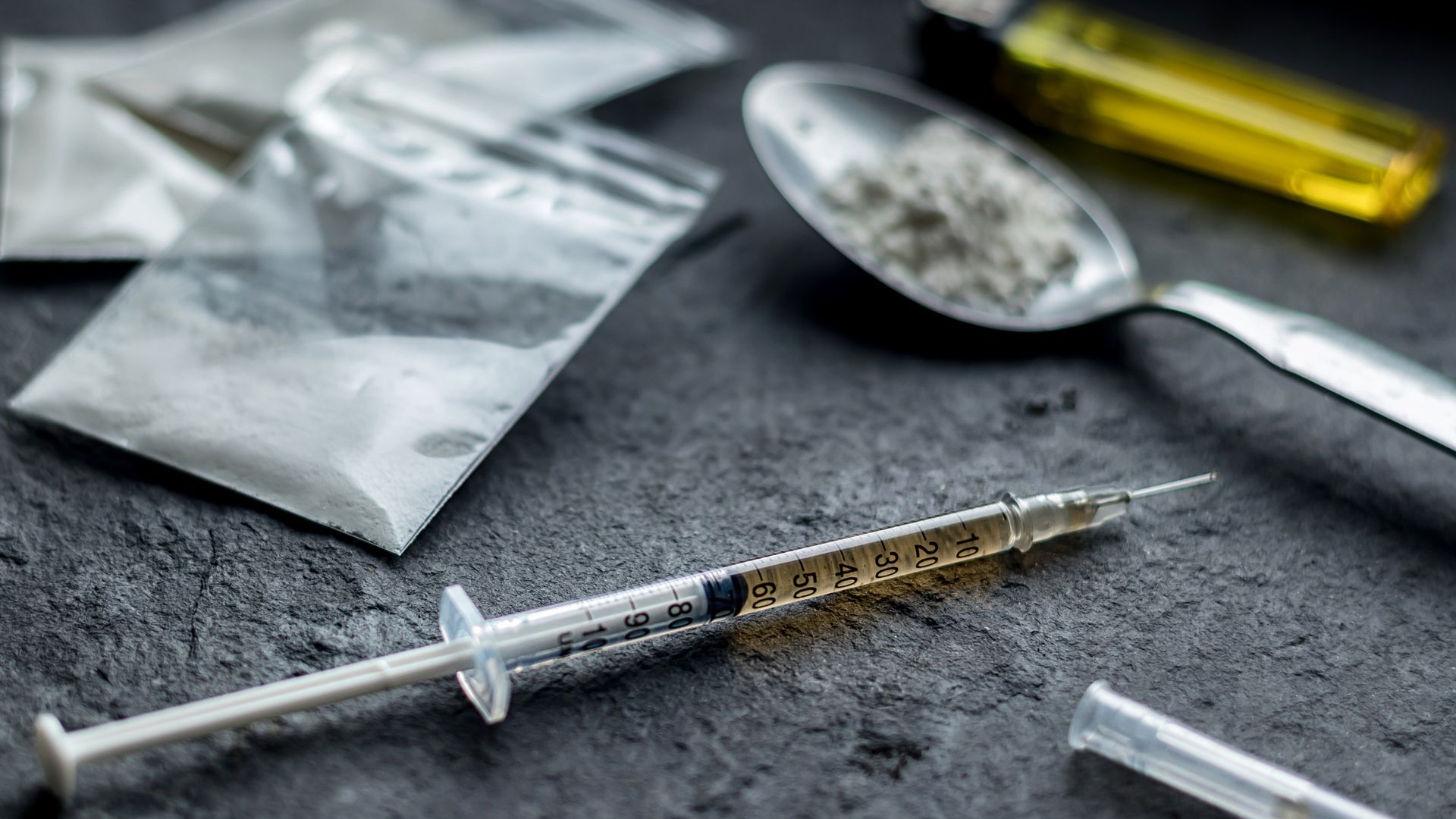
Scotland's drug death crisis isn't just bad. It is an ongoing public health failure that outpaces every other nation in Europe.
Fresh data from the National Records of Scotland shows that drug-related deaths rose by 11 percent, hitting 1,133 lives lost in 2025. That is 116 more deaths than the previous year. When you adjust for age, the death rate sits at 21.4 per 100,000 people. That figure is roughly four times higher than it was in 2000 and easily cements Scotland's position as the worst place in Europe for drug fatalities.
Politicians point fingers. Communities suffer. The numbers keep climbing. Why does a nation with universal healthcare and dedicated public services continue to watch thousands die? Let's look at the reality behind the headlines.
The Changing Face of the Supply Crisis
We cannot talk about these numbers without addressing the drugs themselves. The illegal supply chain has shifted dramatically over the last few years.
Polydrug use remains a massive driver, with multiple substances found in nearly four out of five deaths. But two specific trends explain the recent spike.
First, cocaine involvement jumped by 23 percent, appearing in 589 deaths. People often treat cocaine as a weekend party drug, disconnected from the opioid crisis, but users frequently mix it down with depressants or take it alongside street valium and methadone, creating a deadly cocktail for the cardiovascular and respiratory systems.
Second, synthetic opioids like nitazenes have infiltrated the market. These chemicals are hundreds of times more potent than heroin. When dealers cut traditional supplies with synthetic variants, users have zero idea what dosage they are actually taking. One altered batch wipes out dozens of people in a matter of weeks.
The Demographic Realities Behind the Numbers
Men drive the latest surge. Male fatalities jumped by 19 percent, while deaths among women actually fell by 5 percent.
The average age of those who died sits at 46. This reflects an aging cohort of long-term users—often referred to as the "trainspotting generation"—whose bodies are simply worn down by decades of poverty, trauma, and substance dependence. Their immune systems and organs cannot handle the shock of modern synthetic contaminants.
Deprivation remains the underlying soil where this crisis grows. People living in Scotland's most deprived areas are dramatically more likely to suffer a fatal overdose than those in affluent neighborhoods. Poverty strips away protective factors, mental health support, and stable housing, leaving vulnerable individuals with very few coping mechanisms outside of self-medication.
What Solutions Are Actually on the Table?
Governments talk a lot about funding and strategy. Scottish ministers point to thousands of residential rehabilitation placements and wider access to naloxone, the drug that reverses opioid overdoses on the spot.
Critics and public health experts argue it is far too little, too late.
Calls for safer drug consumption rooms have echoed through Holyrood for years. These facilities give users a clean, supervised environment where medical staff can immediately reverse an accidental overdose. While legal roadblocks and political friction have stalled a nationwide rollout, advocates maintain that these spaces save lives in cities from Vancouver to Frankfurt.
You also need real-time drug checking services. If users can test their street supplies for nitazenes and dangerous adulterants before consumption, they can make informed choices or discard toxic batches. Relying solely on post-mortem statistics guarantees that the cycle continues.
Moving Past the Blame Game
Scotland's drug death emergency demands a complete overhaul of how society views addiction. Treating drug dependency purely as a criminal justice issue has failed for decades. Until local authorities, health boards, and national government treat it as an acute medical emergency requiring immediate, barrier-free treatment and harm reduction, those annual statistics will continue to shame the country on the international stage.
Get involved with local support networks, push for evidence-based harm reduction policies in your community, and demand that lawmakers fund frontline services with multi-year budgets instead of short-term grants.