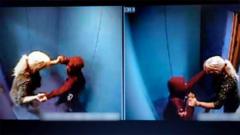
When a school calls a windowless, padded enclosure a calming room, they are selling you a comforting lie. Behind closed doors, vulnerable children with special educational needs have faced isolation, physical restraint, and severe neglect. Investigative reports, including major findings from the BBC regarding institutions like Whitefield School in London, have exposed a terrifying gap in school safeguarding. Parents trusted these environments to protect their kids. Instead, they discovered rooms that resembled prison cells.
If you're wondering how schools are allowed to isolate children with learning disabilities or severe autism, you're looking at a deeply broken regulatory system. Let's break down what is actually happening, why current oversight fails, and what needs to change right now.
The Reality Behind Isolation Spaces
Schools often pitch seclusion spaces as a therapeutic intervention. They claim these rooms de-escalate meltdowns. But reality tells a very different story.
Leaked CCTV footage from special education facilities has revealed children shoved into bare, unventilated spaces. Some were left alone for hours, sitting in their own waste or self-harming out of sheer distress. These aren't safe therapeutic havens. They are punishment cells used when staff lack the training, resources, or patience to handle complex behavioral needs.
Families discover the truth only after whistleblowers speak out or media investigations expose the institutional cover-ups. By then, the psychological damage is already done. Children often develop long-term trauma, severe anxiety, and post-traumatic stress disorder.
Why Current Regulations Fall Short
You might assume there are strict laws governing how and when a child can be locked away. You would be wrong.
In many educational jurisdictions, government guidance permits the use of restrictive practices and seclusion rooms with shocking laxity. There is often no mandatory requirement for schools to log every instance of isolation, let alone report it immediately to parents.
This lack of transparency creates an accountability vacuum. When abuse occurs, internal investigations frequently sweep details under the rug. Police investigations can stall or close without criminal charges due to evidentiary thresholds, leaving families with zero legal recourse or closure. Watchdogs like the Children's Commissioner for England have repeatedly flagged that schools lack clear, enforceable boundaries on physical restraint.
The Emotional Toll on Families
Living with this reality breaks families apart. Parents send their kids off hoping for an inclusive, supportive education. Instead, they become fighters in an uphill battle against institutional bureaucracy.
When parents finally view footage or learn how their child was treated, the betrayal cuts deep. Many express a profound sense of helplessness. How do you trust the education system again after your child has been treated worse than an animal?
Advocacy groups and legal experts emphasize that school should never be a place of physical harm. Yet, systemic failures mean parents have to sue or demand public inquiries just to get basic answers.
What Needs to Change Immediately
Protecting vulnerable students requires more than empty apologies from school trustees. Real reform demands concrete actions:
- Ban Isolation Seclusion: Outlaw the use of locked or unmonitored rooms for children with additional needs once and for all.
- Mandatory Reporting: Pass strict laws requiring schools to log every single use of physical restraint or restrictive practice, notifying parents within twenty-four hours.
- Independent Oversight: Remove internal investigations entirely. Independent safeguarding boards must handle any allegation of abuse in special educational settings.
- Staff Training Investment: Fund specialized behavioral support training so educators can de-escalate crises without resorting to physical force or confinement.
Demand accountability from local educational authorities. Check your school's policies on restrictive practices today.