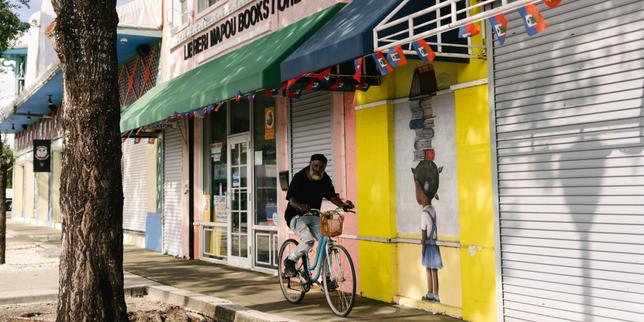
Walk down certain neighborhood blocks in places like New Bedford or Springfield right now, and you'll notice an eerie stillness. The sidewalks that usually buzz with local commerce, neighborhood chatter, and churchgoers heading to weekly services are practically vacant.
Why? Because Immigration and Customs Enforcement agents are sweeping through towns with aggressive new targets, leaving Haitian communities living behind locked doors.
Following recent federal rulings on Temporary Protected Status and massive funding injections for federal deportation initiatives, immigration enforcement has pivoted sharply. More than 300,000 Haitian nationals who relied on legal protections are finding themselves directly in the crosshairs. If you talk to community organizers on the ground, the narrative is uniform: people aren't just cautious; they're terrified.
The Reality Behind the Sweeps
When federal sweeps hit, they don't just affect individuals caught in checkpoints or roadside stops. They send shockwaves through entire local economies. Restaurants on main commercial strips report sudden drops in foot traffic. Grocery stores lose their regular customers overnight. Parents keep their kids home from school, and church pews remain empty on Sunday mornings because sanctuaries no longer feel safe from federal surveillance.
People are sharing warnings across messaging apps in multiple languages—English, Spanish, Portuguese, and Haitian Creole—advising everyone to stay inside. It’s a ghost-town scenario born out of very real survival instincts.
"When enforcement actions scale up this aggressively, collateral damage isn't an accident—it's the intended psychological effect."
What Most People Get Wrong About TPS and Enforcement
There's a persistent myth that immigration enforcement only targets dangerous criminals with active warrants. But recent operations tell a different story. The Department of Homeland Security's push to fulfill high-volume deportation quotas means agents are casting wide nets.
When Temporary Protected Status gets rolled back following Supreme Court decisions and administrative shifts, hundreds of thousands of people who have lived, worked, and built lives in the United States for over a decade suddenly lose their legal standing overnight. They aren't hardened criminals. They are mechanics, home health aides, restaurant workers, and neighbors.
Activists and rapid-response legal teams are pushing back, documenting courthouse arrests and roadside detentions, but they are severely outmatched by the sheer volume of resources poured into federal immigration agencies.
Practical Steps for Communities Facing Increased ICE Activity
If you live in an affected area or want to know how vulnerable communities are organizing to protect themselves, preparation is vital. Here is what grassroots legal groups recommend:
- Know Your Rights: Everyone within U.S. borders has constitutional rights, regardless of immigration status. You don't have to open your door unless agents possess a judicial search warrant signed by a judge. Administrative ICE warrants do not grant entry into private homes without consent.
- Establish Rapid Response Networks: Local communities are building verified phone trees and text alerts to document enforcement sightings immediately, ensuring legal observers can witness arrests and verify paperwork.
- Keep Documentation Handy: Have emergency plans in place, including designated power of attorney for children and immediate access to immigration attorneys who can review active files.
Fear thrives in isolation, but organized communities are finding ways to document abuses, challenge illegal stops at courthouses, and support families hiding in plain sight.