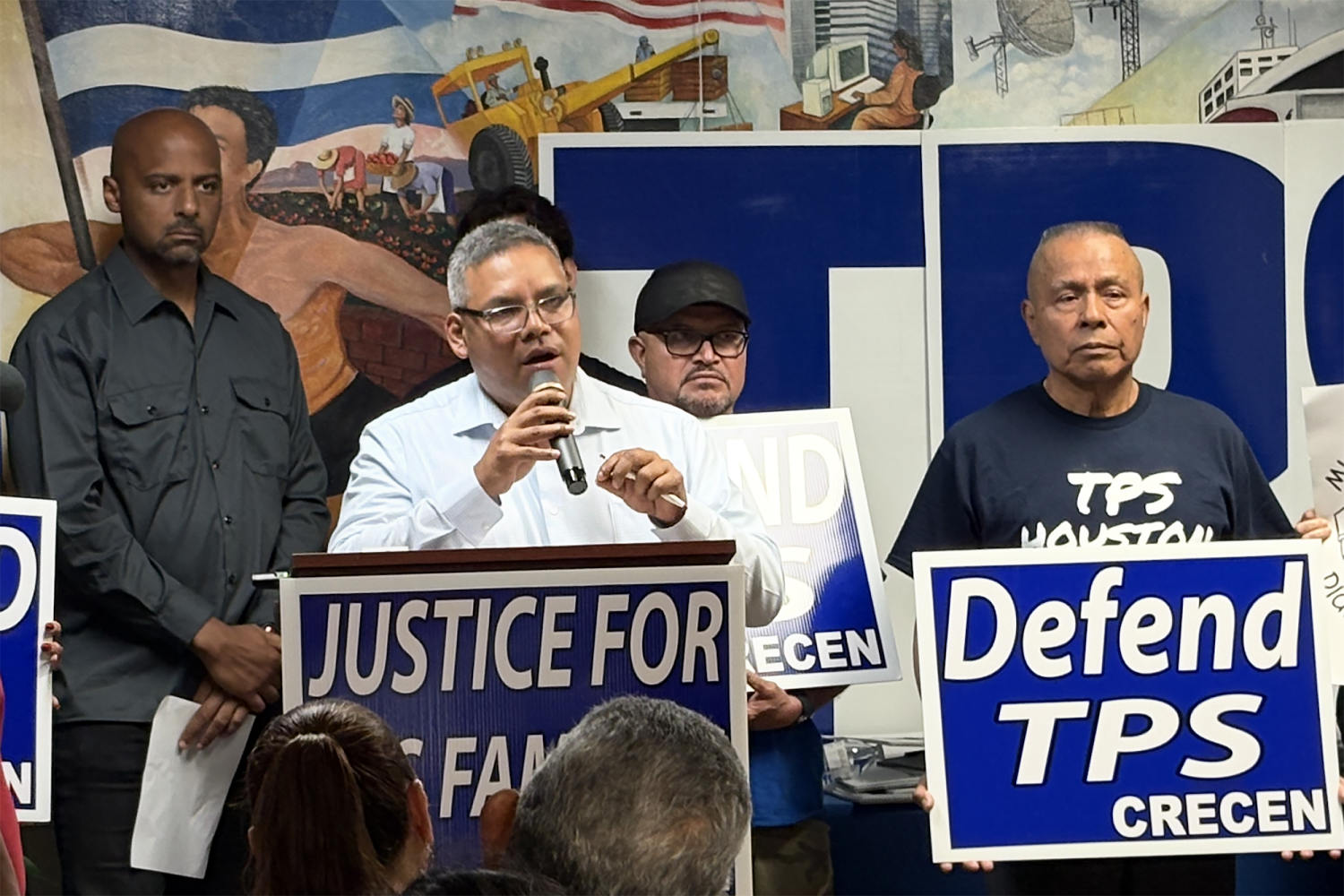
Imagine building a life, buying a home, raising kids, and paying taxes for over two decades in a country, only to wake up every few years wondering if you'll be forced to leave. That is the grinding reality for nearly 200,000 Salvadorans living in the United States under Temporary Protected Status (TPS).
People panic whenever a headline drops about immigration policy shifts or court updates. I get it. The anxiety is relentless. But the truth is, the cycle of short-term extensions and legal battles has created an exhausting psychological trap. Let's break down what is actually happening, why these protections remain fragile, and what beneficiaries can do right now to protect their futures. You might also find this related coverage interesting: Why Record Us Household Incomes Feel Completely Fake Right Now.
The Roots of the Temporary Protected Status Dilemma
Congress created TPS back in 1990 to provide safe harbor to foreign nationals whose home countries were ravaged by natural disasters, armed conflicts, or other extraordinary conditions. For El Salvador, that safety net was triggered after catastrophic earthquakes struck the country in 2001.
What was supposed to be a temporary measure turned into decades of residency. Families settled down. Children grew up speaking English as their primary language, knowing little to nothing about El Salvador. Yet, the word "temporary" hangs over their heads like a guillotine. As extensively documented in detailed coverage by NPR, the implications are worth noting.
Every single extension feels like a temporary band-aid on a gushing wound. Administrations change, federal lawsuits twist and turn through courts like Ramos v. Mayorkas, and the Department of Homeland Security issues brief updates that leave people scrambling to understand their legal footing. You are basically living on borrowed time, year after year.
Why Short-Term Extensions Are Not Enough
Real stability requires permanent solutions. Instead, what we see is a constant game of political football. When the government issues an extension, it brings an immediate wave of relief. But that relief evaporates the moment you look at the expiration date on the calendar.
Here is what most casual observers miss: the anxiety doesn't just affect mental health; it wrecks financial planning. Banks can be hesitant to issue long-term loans or mortgages when an applicant's work authorization is tied to a renewable status that could vanish with a stroke of a pen. Employers get nervous. Families put major life decisions on hold.
Advocacy groups constantly urge people not to panic, which sounds great in a press release, but try telling that to a parent who might lose their job if their Employment Authorization Document (EAD) lapses because USCIS processing times are backed up for months. The administrative backlog alone is a second crisis.
What You Can Do Right Now
If you or someone you care about holds TPS, waiting around for Congress to pass comprehensive immigration reform is a losing strategy. You have to take proactive steps to safeguard your status.
First, file your paperwork early. Do not wait until the final week of the registration window. USCIS delays are legendary, and a late filing can jeopardize your legal work authorization.
Second, talk to a qualified, licensed immigration attorney or an accredited representative from a trusted nonprofit organization. Avoid notary publics or unlicensed consultants who promise miracle green cards for a steep fee. Fraud is rampant in vulnerable immigrant communities.
Third, explore alternative pathways. While TPS does not automatically lead to a green card, some holders might qualify for permanent residency through family petitions, employment-based visas, or asylum, depending on individual circumstances. It is worth investigating every single legal option on the table.
The system is broken, and waiting for a perfect political fix will leave you stranded. Protect your paperwork, stay informed, and refuse to let uncertainty paralyze your next move.
Why Salvadorans facing end of protections can't just ...
This video explores the complex realities and personal hardships faced by Salvadoran TPS holders navigating constant uncertainty in the United States.


