The automotive world is currently watching a major shift unfold in northwestern Spain. SAIC Motor, the parent company behind the MG brand, has decided to plant its flag in Galicia, committing €200 million to build a state-of-the-art facility. While some observers keep pointing to MG’s historic British roots, they’re missing the point. This isn't a nostalgia trip. It’s a cold, calculated move to survive and grow within the European Union.
If you’re wondering why this matters, it’s simple: tariffs.
The Tariff Wall Reality
In 2024, the European Commission introduced aggressive import duties on Chinese-made electric vehicles. For a brand like MG, which had built its European momentum on the back of competitively priced models like the MG4, these tariffs were a disaster. They added up to 48.1% on top of the existing 10% duty. Basically, the cost advantage that made MG a contender against Volkswagen or Renault was being erased.
By building in Galicia, SAIC effectively sidesteps these levies. Cars built inside the EU are exempt from the punitive import taxes that hit vehicles shipped from China. This factory isn't just a place to assemble cars; it’s a defensive shield for the company’s profit margins and its long-term future in Europe.
Why Galicia Won the Race
Why would a Chinese giant pick Galicia over, say, the UK or Eastern Europe? It’s not a random toss of the dice.
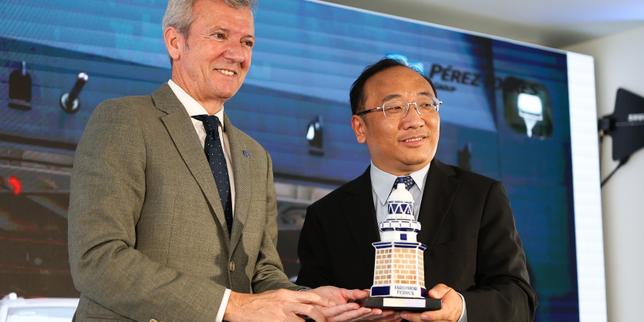
The region already sits on a deep well of industrial expertise. With Stellantis operating a major plant in Vigo, the local ecosystem is seasoned. You have a skilled workforce, established logistics networks, and a regional government that knows how to move fast. Alfonso Rueda, the president of the Galician regional government, has been aggressively courting this kind of investment, setting up a dedicated unit just to oversee the project's administrative hurdles.
This wasn't just about finding a cheap plot of land. It was about finding a region that could support a complex, high-output operation. With a target of 120,000 vehicles per year, SAIC needs more than just space—it needs a reliable supply chain. By setting up in Ferrol and As Pontes, they’re positioning themselves within an existing, functional automotive hub.
What This Means for the Market
The timeline is ambitious. Construction is set to begin in 2027, with the facility aiming to be operational before 2029. This gives the company about two years to finalize its localized supply chain and decide exactly which models will roll off the line.
Here’s the catch most people don’t talk about: we still don’t know if these will be the exact same cars sold today or a new generation specifically designed for European tastes. If they go with the latter, it shows a level of commitment that goes far beyond just "dodging tariffs." It would signal that SAIC is ready to move from being an importer to being a true European manufacturer, integrating local R&D and components.
The Competitive Landscape
It’s easy to focus on MG, but this move reflects a broader trend. Chinese automakers are realizing that if they want to win in Europe, they have to become "European" companies.
We’ve seen similar movements with Stellantis looking at partnerships to distribute and potentially produce Chinese models in Europe. The market is consolidating, and the line between "European" and "Chinese" brands is blurring by the day. Traditional players are feeling the heat, and they’re starting to see that working with Chinese manufacturers might be the only way to keep their own production lines busy and profitable.
Practical Takeaways
If you’re tracking the auto industry or involved in the supply chain, here is what you need to watch:
- Localization Sourcing: Look for which component suppliers in Spain get the call. A local factory means local partnerships. That’s where the real value ripple effect happens for the Galician economy.
- Model Strategy: Watch for announcements on the specific vehicle platforms planned for Galicia. If they bring high-tech battery production or advanced R&D to the region, it confirms they’re here to stay for decades, not just years.
- Workforce Development: The project expects to create over 2,000 direct jobs and even more in indirect roles. This will put significant pressure on the local labor market for specialized engineers and manufacturing technicians.
The decision to choose Spain over Britain is the final nail in the coffin of the idea that MG is a "British brand" in any operational sense. It is a Chinese-owned, globally minded powerhouse that plays the business game based on efficiency, market access, and regional capability. The nostalgia of the MG badge might help sell a few cars to enthusiasts, but it didn't build this factory. Logistics, cost-structure, and tariff avoidance did.
The race to dominate the European EV market just got a lot more crowded, and the playing field is shifting toward those willing to build where they sell.