Political optics matter. Parties spend millions scrubbing their image, vetting guests, and managing press rows. Yet, things slip through the cracks. Or worse, they happen out in the open.
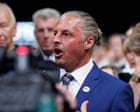
When Ryan Bridge walked into the Reform UK annual conference in Birmingham, he wasn't just another spectator. The leader of the "Raise the Colours" flag campaign attended the event despite currently being on police bail for active criminal charges. Nigel Farage even gave him a public shoutout from the stage, promising legal backing for his embattled organization.
If you are trying to understand how right-wing populism operates in Britain right now, this episode tells you everything.
Who Is Ryan Bridge and Why Was He There
Ryan Bridge heads Raise the Colours. The group puts up union and St George flags across England. To supporters, it is pure patriotism. To critics, it is an aggressive dog whistle used to stir up anti-immigrant sentiment.
Bridge didn't sneak into the conference through a side door. He claims the party invited him. That detail raises serious questions about how Reform UK handles vetting.
Consider his legal standing. Bridge has been on bail since Thames Valley Police arrested a 44-year-old male from Worcestershire on suspicion of racially and religiously aggravated harassment on Abingdon Road in Oxford. He also faces a trial in East Sussex after entering a not guilty plea at Brighton Magistrates' Court for common assault. Birmingham City Council and local authorities in Oxfordshire are pursuing high court injunctions to stop his group from stringing up flags on public property.
None of this kept him off the conference floor.
The Stage Moment That Changed the Narrative
Conferences are carefully choreographed. Every speaker, every question, and every applause line is usually mapped out months in advance.
During a discussion hosted by Jeremy Kyle, Bridge ended up among three individuals selected to question Nigel Farage. Farage used the platform to publicly endorse the flag campaign. He told the activist that what his group did woke up vast parts of the country.
"If we can help you legally, we will," Farage stated from the stage.
That promise changes the dynamic between mainstream populist politics and fringe street activists. Reform UK faces an internal squeeze. On one side, the party wants to court moderate, centre-ground voters who get nervous about radical optics. On the other side, they face pressure from hard-right rivals like Restore Britain. Pulling right to secure that flank means embracing figures like Bridge, even if it alienates more cautious voters.
The Fallout and Accountability
Anti-fascist groups reacted instantly. Hope Not Hate called the presence of someone facing active public order and harassment charges inside a major political conference "genuinely shocking."
Reform UK stayed silent. When journalists pressed party officials about how an activist on bail for racially aggravated harassment secured a pass to a high-security political gathering, nobody answered.
Getting into a Reform UK conference isn't cheap or easy. General public tickets do not exist. Attendees must hold party membership, work as lobbyists, represent diplomatic channels, or buy commercial passes that cost hundreds or thousands of pounds. Bridge managed to clear those hurdles while juggling multiple court dates and police bail conditions.
You can look at this as an administrative oversight. Or you can look at it as a deliberate strategy. Populist movements thrive on anti-establishment friction. When mainstream councils try to block flag campaigns with injunctions, aligning with the people fighting those injunctions makes political sense for a party positioning itself as the voice of the ignored working class.
The legal battles surrounding Raise the Colours will play out in British courtrooms over the coming months. High court hearings in Birmingham and criminal trials down south will test the limits of what activists can do in public spaces. But the political alliance forged on a Birmingham conference stage is already locked in.
Watch how both sides handle the fallout. The proximity between institutional political parties and aggressive street-level campaigns is tightening, and neither side is trying to hide it anymore.