You can't talk about modern Russian politics without looking at how the Kremlin frames every major vote. President Vladimir Putin treated the latest State Duma legislative contest as a direct referendum on his administration's military campaign in Ukraine, and the official tally shows a comfortable margin for the Kremlin-backed establishment according to reports by Reuters on Investing.com.
When the Central Election Commission finished counting the vast majority of ballots, the ruling United Russia party secured roughly 57.8 percent of the vote. That figure marks an increase from the 49.8 percent it picked up during the last legislative cycle. It basically guarantees the party will retain a massive constitutional majority in the 450-seat lower house of parliament.
What the Numbers Actually Tell Us
Let's look past the surface figures. Securing over 350 seats gives the ruling party total legislative dominance. You won't see any friction inside the parliament when it comes to passing wartime budgets or greenlighting sweeping domestic policies.
Other permitted political groups, such as the Communist Party and the New People faction, trailed far behind. Critics and independent observers have repeatedly pointed out that true anti-war opposition candidates were largely blocked from appearing on the ballot, leaving voters with a very tightly managed choice.
If you want to track how these state-level outcomes are officially recorded and published, you can consult the Central Election Commission portal for updates and certified tallies.
The Wartime Context
This legislative cycle wasn't happening in a vacuum. It represents the first major parliamentary vote held since the full-scale invasion of Ukraine began.
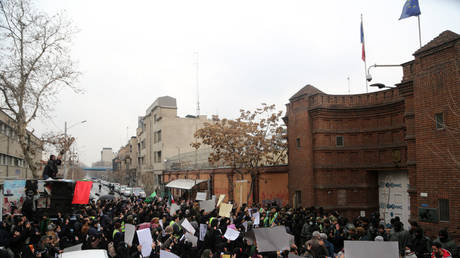
The backdrop included high-stakes security incidents, with Russian defense officials reporting heavy drone interception efforts across multiple regions and near Moscow during the voting period. State media and regional authorities framed these incidents as attempts to destabilize the electoral process. Meanwhile, protest movements organized symbolic actions at polling stations on the final day of voting, though the overall impact on the official outcome remained minimal.
Where Politics Goes From Here
The Kremlin is already utilizing these outcomes to signal domestic unity and international resilience despite heavy Western sanctions. Senior political figures like Dmitry Medvedev have publicly stated that the outcome reflects deep public trust in the current leadership's trajectory.
For outside observers, understanding these dynamics requires looking beyond the percentage points. It's about recognizing how tightly controlled political spaces operate during extended military conflicts.
Check out the India Today coverage for broader regional perspectives on the vote, or review international reports on Al Jazeera to see how global analysts are interpreting the parliamentary shift.