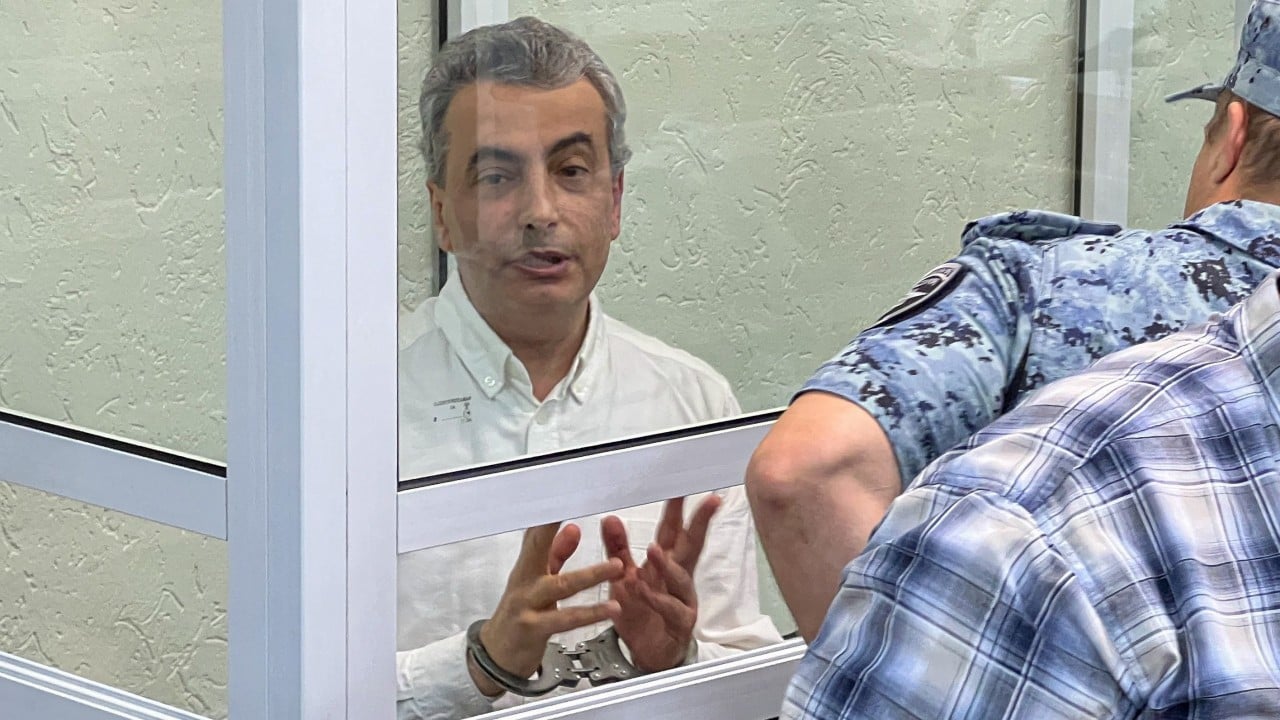
The iron fist of the Kremlin just closed a little tighter. On Monday, August 17, 2026, Lev Shlosberg—a senior figure in the Yabloko party—was sentenced to 11 years and one month in a penal colony. His crime? Simply speaking the truth about the ongoing war in Ukraine.
If you’re wondering why this matters in late 2026, look at the timing. Russia is gearing up for parliamentary elections next month. The message from the state is crystal clear: any hint of anti-war sentiment is now a fast track to a decade behind bars. Also making news in this space: Why The Tragic Death Of Jason Arday Demands More Than Just Mourning.
The Cost of Speaking Out
Shlosberg didn't commit an act of sabotage. He didn't lead a rebellion. He participated in an online debate and shared a social media post that featured a critical newspaper front page. That’s it. For that, he is now facing over a decade of his life stripped away.
I’ve watched the Russian legal environment deteriorate for years, and this case is a brutal masterclass in how the state uses the judiciary as a weapon. The charges—"discrediting" the armed forces and spreading "false information"—are broad enough to sweep up almost anyone who refuses to stay silent. It’s a terrifyingly effective way to turn the entire population into self-censors. Further details on this are detailed by Wikipedia.
Why Yabloko Is a Target
You might hear people ask why Yabloko matters so much. It is the only official, registered political party in Russia that has consistently and openly campaigned against the war and for a diplomatic ceasefire. By jailing Shlosberg and effectively barring the entire party from the upcoming September ballot, the Kremlin is gutting the last vestiges of institutional opposition.
They aren't just silencing individuals. They are removing the option for people to vote for anyone who doesn't march in lockstep with the current military trajectory. It’s a controlled political environment where the "choice" is already made for you.
The Strategy Behind the Crackdown
When a government creates an atmosphere of fear, it doesn't do so by accident. The "foreign agent" label, the endless court cases, and the harsh prison sentences are designed to exhaust the opposition.
Think about the sheer logistics of it. Shlosberg is 63 years old. A sentence of 11 years isn't just a punishment; it’s an attempt to remove him from public life permanently. He joins a long list of critics who have been exiled, jailed, or killed.
A Look at the Legal Arsenal
- Foreign Agent Laws: Used to stigmatize and burden activists with impossible administrative requirements.
- Discrediting Laws: A catch-all that turns any public criticism into a criminal offense.
- Electoral Barriers: Administrative hurdles that ensure only approved candidates see the ballot.
It’s worth looking at the case of Boris Nadezhdin, another high-profile critic who was recently blocked from running and fined for "extremist symbols" simply for showing a photo of the late Alexei Navalny in an old video. The pattern is undeniable. The authorities are terrified of any platform, no matter how small, being used to challenge the narrative.
What Happens Now
For the average Russian citizen, the takeaway is grim. The space for civil discourse has vanished. If a high-ranking politician with decades of experience can be jailed for sharing a post, nobody is safe.
Most people I know who track these events recognize that the crackdown is accelerating because of public fatigue. As the conflict drags on into its fifth year, and as economic pressures—like fuel shortages and industrial strain—mount, the Kremlin’s tolerance for even token dissent has dropped to zero. They don't just want agreement; they want total, performative silence.
If you’re looking to understand the future of Russian politics, don’t look for grand manifestos. Look at the empty seats in the courtroom. Look at the ballot papers that no longer feature anti-war candidates. The suppression isn't a glitch in the system. It’s the entire objective.
The path forward for those still inside Russia is becoming narrower by the day. Expect more "legal" maneuvers to clear the field before the September vote. The authorities have effectively decided that the safest political climate is one where no one dares to speak at all.