The ground didn’t just shake in the Southern Kuril Islands this week. It signaled a permanent shift in how Moscow handles its territorial disputes. When Russia launched anti-ship missiles near these islands—territory that Japan has officially claimed for decades—it wasn't an accident. It was a calculated message.
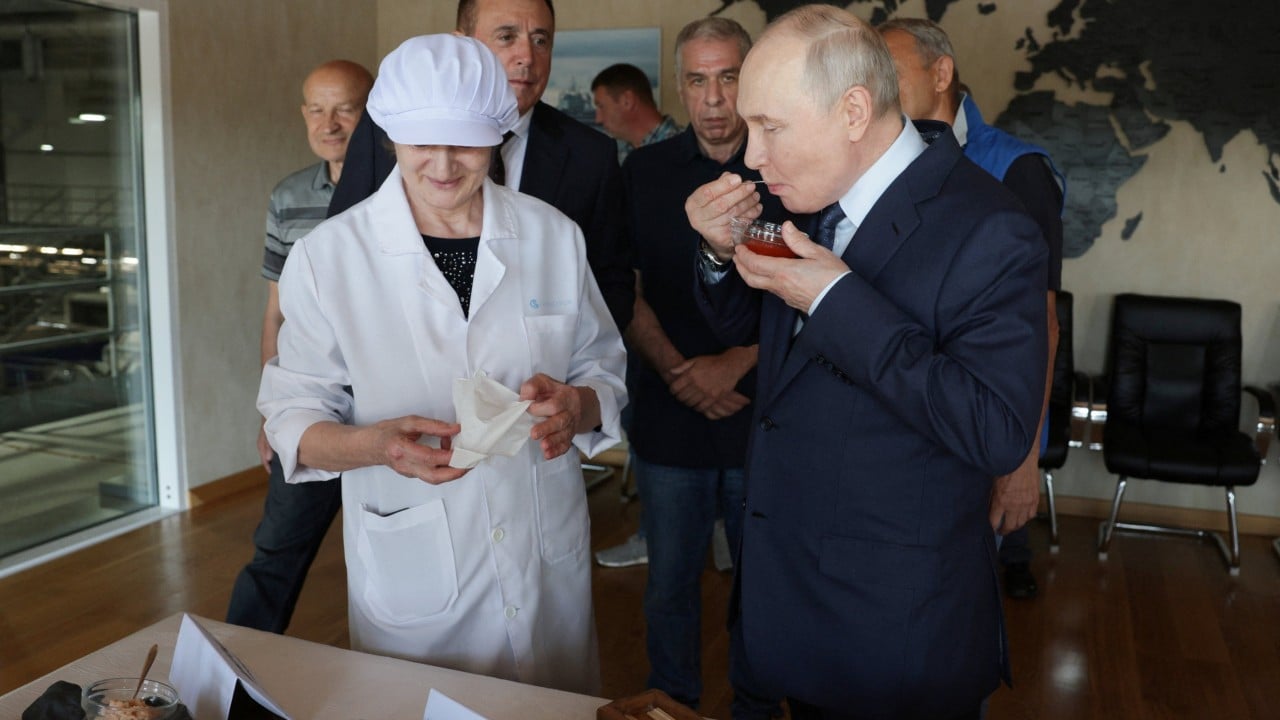
If you’ve been following the news, you know President Vladimir Putin made a rare, high-profile visit to Iturup on August 13. Most analysts treat such visits as mere diplomatic friction. They’re wrong. This isn't just about optics. It’s about Russia signaling that the "disputed" label for these islands is effectively dead in their eyes. In other updates, read about: Why Nigeria Boat Tragedies Keep Happening And Why Nothing Changes.
Why this matters now
Japan calls these the "Northern Territories." Moscow calls them the Southern Kurils. They’ve been at odds since the end of World War II. For years, there was a glimmer of hope for a formal peace treaty. Diplomats met, shook hands, and pretended that the "island issue" could be negotiated.
That time is gone. Wikipedia has also covered this important topic in extensive detail.
Since the 2022 invasion of Ukraine, Japan has stood firmly with G7 nations in applying sanctions. Russia has responded by cutting off peace treaty talks entirely. By firing Vulkan and Granit missiles from naval vessels and deploying the Bastion coastal defense system on the island itself, Moscow is demonstrating that these islands are now a fortress, not a bargaining chip.
The military reality
This wasn't a small-scale drill. The Pacific Fleet didn't hold back. They used the flagship cruiser Varyag, a nuclear-powered submarine, and land-based missile batteries to hit simulated targets 300 kilometers away.
Think about the technical implications. A Bastion system firing an Oniks missile from the coast of Iturup means that any maritime traffic in the immediate vicinity is now effectively under Russian fire control. This isn't just "training." It’s an assertion of absolute sovereignty.
I’ve spent years looking at Pacific defense postures. What we’re seeing is the transformation of the Kuril chain into a permanent maritime choke point. Russia wants to ensure it has unfettered access to the Pacific, and it’s willing to remind Tokyo that it can project power right off Japan's northern coast to prove it.
The end of diplomacy
Japan’s Foreign Minister Toshimitsu Motegi called the actions "unacceptable." It’s a standard diplomatic protest, but it carries little weight in the current climate. Russia’s response? They summoned the Japanese ambassador and basically told Tokyo to stop interfering in internal Russian travel.
The strategy here is blunt. By mixing high-level state visits with live-fire exercises, the Kremlin is creating a "new normal." They aren't looking for a compromise. They are looking for submission or, at the very least, for Tokyo to stop bringing the issue up on the international stage.
What happens next
Don't expect a sudden military confrontation, but do expect a much more dangerous maritime environment. The area has been declared off-limits for civilian shipping during these exercises. As Russia continues to deepen its ties with Pyongyang and pivot its military focus toward the Pacific, Japan finds itself increasingly isolated in Northeast Asia.
The era of hoping for a returned island is over. If you're looking for signs of a breakthrough, you're looking in the wrong place. We are watching the consolidation of a status quo that will likely last for generations. The islands are being integrated into the Russian Far East infrastructure, with new schools, hospitals, and fish-processing plants being highlighted during Putin’s trip to prove they are "Russian" in every sense of the word.
Japan’s current administration is stuck. They can’t drop the claim for domestic political reasons, but they have zero leverage to force a change. Expect more of these drills. Expect more visits. And don't hold your breath for a treaty that wasn't going to happen anyway.
Russia's missile tests near Kuril Islands
This video provides a concise breakdown of the diplomatic tensions and the sequence of events surrounding the recent military activity in the disputed territories.
http://googleusercontent.com/youtube_content/1