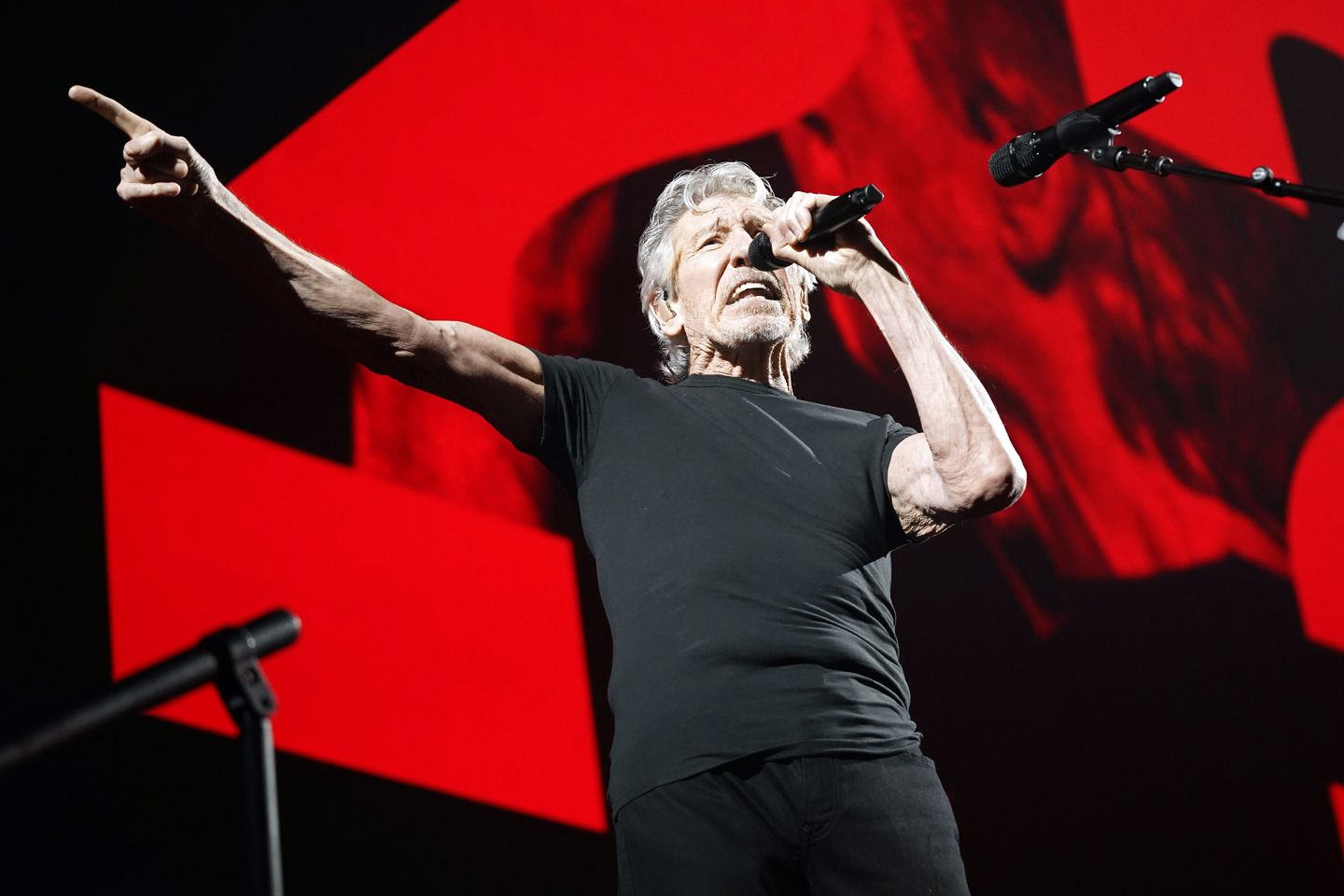
Rock legends rarely shy away from airing their dirty laundry in public, but the latest verbal brawl between Pink Floyd co-founder Roger Waters and Metallica frontman James Hetfield takes ego-driven rock rivalries to an entirely new level. When two titans from completely different eras of heavy rock collide over the role of politics on stage, nobody wins, but everyone watches.
The feud ignited after Hetfield took a definitive stance during Metallica's ongoing residency at the Las Vegas Sphere. Addressing the roaring crowd, Hetfield made it crystal clear that his band wasn't there to lecture fans on global affairs or peddle political agendas. He explicitly distanced Metallica from artists who use their platforms for activism, telling the audience that their shared agenda was simply love, energy, and heavy music.
Enter Roger Waters, a musician who has spent decades weaving overt political commentary into every fiber of his solo tours and legendary Pink Floyd spectacles. Appearing on Katie Halper's podcast, Waters didn't just disagree with Hetfield's apolitical philosophy—he launched a blistering, deeply personal attack on the thrash metal icon.
"Can we stop talking about this prick?" Waters snapped during the interview, dismissing Hetfield as a "nobody" despite his hundreds of millions of dollars in career earnings. Waters claimed the Metallica singer possessed an IQ of about three and doubled down by questioning his core musical competence, recounting a time he heard the band attempt acoustic instruments and calling the performance appalling.
This clash exposes a fundamental philosophical fault line running right through the heart of modern rock and roll. On one side stands the camp represented by Hetfield, who views a concert as a sanctuary from the relentless anxiety of the outside world. To these fans and performers, heavy metal is an escape pod, a three-hour window where bills, elections, and global conflicts cease to exist.
On the other side stands the camp championed by Waters, who views massive public platforms as moral responsibilities. For Waters, ignoring what happens outside the stadium walls while people suffer is an act of complicity. He criticized Hetfield's lack of empathy, wishing aloud that the Metallica frontman had grown up with someone to teach him that kindness and social awareness outweigh stadium spectacle.
What makes this feud particularly fascinating is the sheer contrast in how both artists approach their legacies. Metallica has largely insulated its brand by keeping partisan statements off the table, focusing instead on fan loyalty and sheer sonic volume. Waters, meanwhile, courts controversy relentlessly, regularly utilizing massive video screens at his shows to spotlight geopolitical causes, drawing both fierce praise and heavy criticism.
You don't have to agree with either man's worldview to see why this argument strikes a nerve. Music has always served a dual purpose. It's a mirror reflecting the harsh realities of society, and it's a shield protecting us from them. When artists on opposite ends of that spectrum clash, it highlights the ongoing tension between entertainment and activism in modern culture.
Ultimately, this feud isn't going to strip Metallica of a single ticket sale, nor will it convince Roger Waters to tone down his worldview. It simply serves as another reminder that rock stars grow older, but their fierce convictions and oversized egos rarely mellow out. If you're heading to the Sphere or buying a ticket to a legacy stadium tour, you're paying to enter one man's philosophy—whether that means screaming along to heavy riffs or absorbing a heavy political message. Choose your ticket wisely.