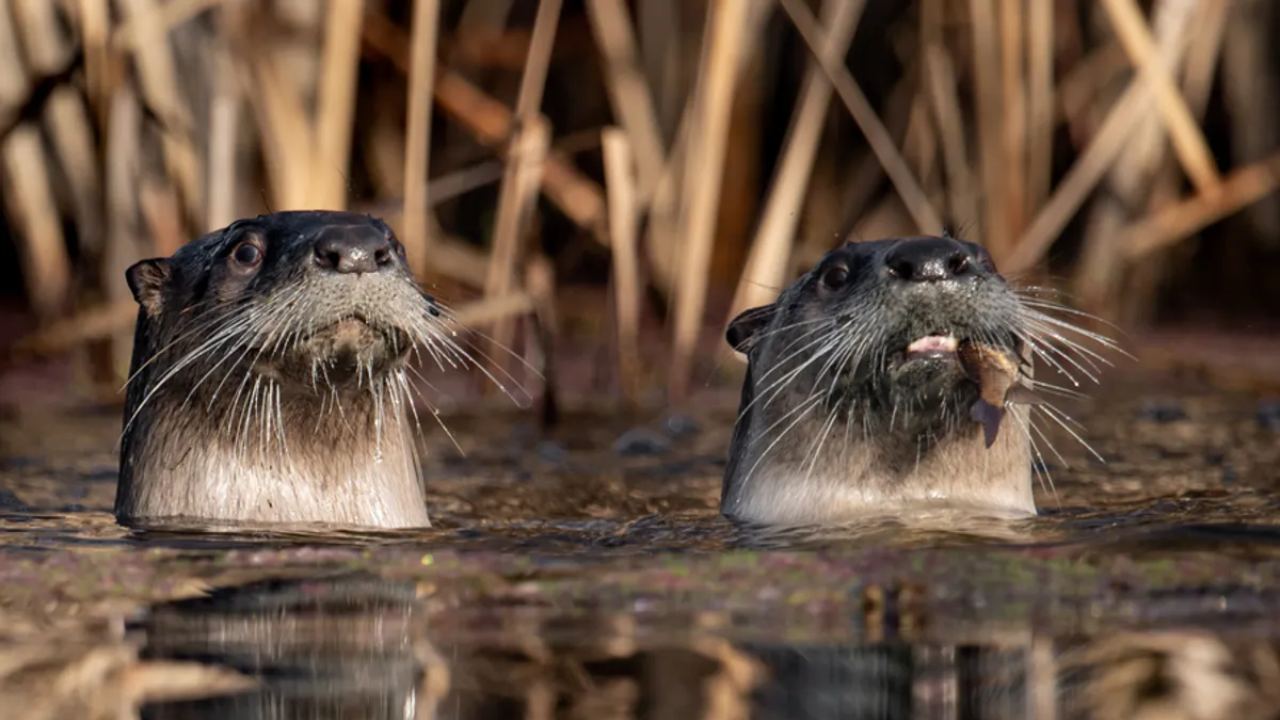
River otters look cute and playful, but they are apex predators of the wetlands. Down at California's Point Reyes National Seashore, these sleek swimmers have picked up a brutal habit. They are hunting, drowning, and eating massive brown pelicans.
When researchers Terence Carroll and Megan Isadore from the River Otter Ecology Project walked the shores of Abbotts Lagoon 19 times between June and November 2023, they found 73 dead brown pelicans. Every single carcass carried the distinct signature of river otter predation. Also making news lately: Why International Drug Syndicates Are Pulling Punjab Natives Into Fbi Crosshairs.
What is actually happening in these coastal lagoons? Is this a sign of ecological collapse, or just clever predators exploiting a brand new food source? Let's look at what the science says.
The Grim Reality at Abbotts Lagoon
For years, casual birdwatchers and photographers posted clips online of river otters attacking large seabirds. Nobody knew how widespread the carnage was until Carroll and Isadore turned it into a formal study, published in the IUCN Otter Specialist Group Bulletin. More details regarding the matter are covered by TIME.
Walking the shoreline every seven to ten days, the researchers marked bones to avoid double-counting. They found fresh dead birds on 17 out of their 19 visits. On a single trip, they logged 11 dead pelicans.
Otters do not eat the whole bird. They hunt with ruthless efficiency.
- They target a pelican sitting on the water.
- They grab the bird and drag it underwater to drown it.
- They bite off the head and neck to access the rich meat on the chest.
The total death toll is likely much higher than 73. Scavengers like coyotes frequently steal carcasses, and parts of the lagoon shoreline are tough for humans to reach.
Why Are Otters Hunting Birds with Six-Foot Wingspans?
An adult brown pelican weighs up to four kilograms and boasts a massive wingspan. Taking down a bird that large requires serious energy. People naturally assume that declining fish populations must be driving the otters to desperate measures.
However, water quality checks at Abbotts Lagoon showed no shortage of fish. The ecosystem is healthy.
Instead, the predation comes down to pure opportunistic survival. River otters swim in freezing coastal water. They lose body heat rapidly and burn massive amounts of calories to stay warm. A slow-moving flock of pelicans resting on the water represents a massive package of high-calorie fat and protein.
Both species are massive conservation success stories in Northern California. Brown pelicans came off the federal endangered species list in 2009, and river otters have made a triumphant comeback across the region. When two recovering populations share the same small space, interactions get intense.
Are Pelicans Finally Learning to Fight Back?
For a long time, the pelicans acted completely oblivious. Flocks would rest right next to the shoreline where fresh carcasses littered the sand, showing zero fear of the swimming mammals.
Nature adapts quickly, though.
Recent surveys show that the surviving birds are changing their behavior. Researchers noticed that when otters approach resting groups today, the pelicans instantly take flight rather than waiting around to get dragged under. At Abbotts Lagoon and nearby Rodeo Lagoon, recent visits revealed far fewer dead birds because the pelicans are finally keeping their distance.
These predator-prey dynamics prove that wild ecosystems are never static. Otters are even reshaping local nutrient cycles. By dragging heavy pelican carcasses onto dry land and leaving behind large portions of meat, they feed terrestrial scavengers like coyotes, bridging marine and land habitats in an unexpected way.
If you visit coastal California wetlands, keep your eyes open. You might just witness a wild tug-of-war between two of the coast's most successful species.